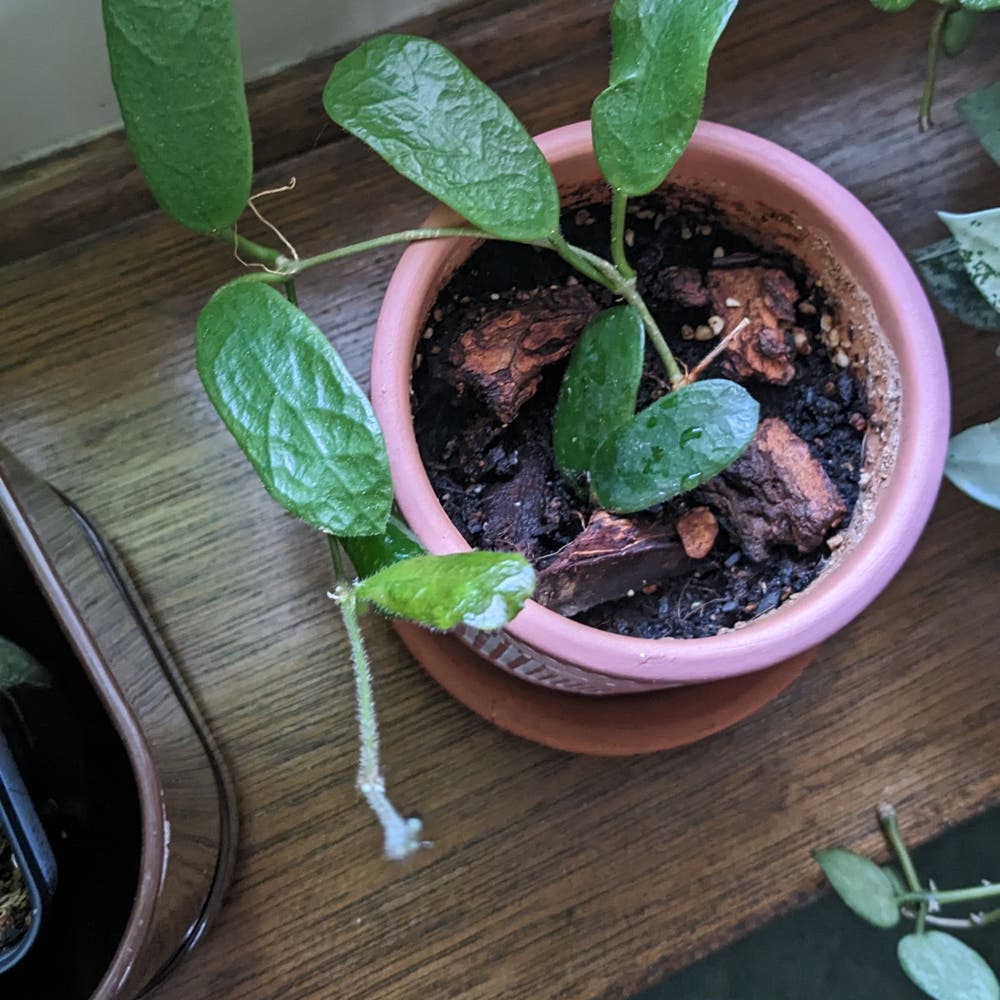
What To Do About Bugs on My Hoya rotundiflora? 🐛
Hoya rotundiflora
By the Greg Editorial Team
Jun 18, 2024•4 min read
This article was created with the help of AI so we can cover more plants for you. May contain errors. See one? Report it here.
Protect your Hoya's lush leaves 🌿 from pesky bugs with these proven pest-fighting tactics!
- 🕷️ Spot spider mites by speckled leaves; increase humidity or wash leaves.
- 🍄 Control gnats and flies by drying soil; use sticky traps.
- 🛡️ Prevent pests with regular inspections, clean leaves, and quarantine new plants.
Spot the Invaders: Identifying Common Pests
🕷️ Spider Mites
Tiny web-spinners may signal a spider mite infestation on your Hoya rotundiflora. These pests, barely visible to the naked eye, feast on plant juices, leaving behind a speckled appearance on leaves.
To evict these unwelcome guests, increase humidity around your plant or wash the leaves with water. For stubborn cases, a targeted application of neem oil or insecticidal soap can be effective.
🛡️ Scale Insects
Scale insects masquerade as harmless bumps on your Hoya's stems and leaves. These sap-suckers can cause yellowing and weaken your plant.
To scrape off these pests, use a soft brush or a cotton swab dipped in rubbing alcohol. Preventative sprays of insecticidal soap can keep future invasions at bay.
🦟 Fungus Gnats and Fruit Flies
If you spot a cloud of tiny flies near your Hoya, you're likely hosting fungus gnats or fruit flies. They thrive in moist soil, laying eggs that become root-munching larvae.
Combat these pests by allowing the soil to dry out between waterings. Sticky traps can also snag adult flies, reducing their numbers.
🐞 Mealybugs
Mealybugs hide in cottony clumps, often in the nooks of your Hoya rotundiflora. These bugs suck the sap and excrete sticky honeydew, which can lead to sooty mold.
For a mealybug-free plant, isolate the affected Hoya and clean with alcohol-dipped swabs. Insecticidal soaps or neem oil are also effective in sending these pests packing.

When Bugs Go Beyond: Other Pests to Watch Out For
🐞 Aphids
Clusters of small, pear-shaped insects might be crowding on your Hoya rotundiflora, especially on new growth. These are aphids, and they're not just freeloading; they're harmful. They secrete a sticky residue called honeydew, which can lead to sooty mold and stunt your plant's growth. To send them packing, introduce natural predators like ladybugs or apply a strong spray of water. For stubborn cases, insecticidal soap can be your plant's knight in shining armor.
🐜 Thrips
Thrips are the sneak-thieves of the plant world, leaving behind silvery trails and stippled leaves. They're tiny, but the damage they cause is not. Catching them is a game of I-spy; look for subtle leaf damage. To combat these pests, prune affected areas and deploy yellow sticky traps to catch adults. If you're up for it, insecticidal soaps can be effective, or for a more natural approach, predators like lacewings are ready to join the fray.

The Best Offense is a Good Defense: Preventative Care
🕵️ Regular Check-Ups
Inspect your Hoya rotundiflora like a hawk, searching for early signs of pests. Look for discoloration, sticky residue, or webbing. Catching these early can save you a world of trouble.
🧼 Cleanliness is Key
Keep your Hoya's leaves dust-free. A gentle wipe with soapy water can prevent pests from thinking they've hit the jackpot.
🚧 Quarantine New Plants
Isolate new additions to your plant family. Think of it as a background check for plants; you don't want any nasty surprises.
🛡️ Additional Preventative Measures
- Water Wisely: Overwatering invites pests. Only water when the soil feels dry to the touch.
- Airflow: Good circulation is a no-fly zone for pests. It's like having an invisible shield around your Hoya.
- Healthy Soil: Use fresh, well-draining soil. Strong plants are less appealing to bugs.
- Neem Oil: A misting with diluted neem oil can act as a bug repellent. It's your plant's personal bodyguard.
- Systemic Insecticides: For a more hands-off approach, consider a product like Bonide Systemic Insect Control. But remember, moderation is key.
- Avoid Crowding: Give your plants space. Crowded conditions are a pest's playground.
- Prompt Treatment: If pests do appear, act fast with insecticidal soap or rubbing alcohol. It's like hitting the emergency button before things get out of hand.

⚠️ Safety First
This content is for general information and may contain errors, omissions, or outdated details. It is not medical, veterinary advice, or an endorsement of therapeutic claims.
Always consult a qualified healthcare professional before using any plant as food, medicine, or supplement.
Never eat any plant (or feed one to pets) without confirming its identity with at least two trusted sources.
If you suspect poisoning, call Poison Control (800) 222-1222, the Pet Poison Helpline (800) 213-6680, or your local emergency service immediately.
Spotted an error? Please report it here.
Keep your Hoya rotundiflora thriving and bug-free 🌿 with Greg's timely care tips and reminders, empowering you to preempt pests with confidence!