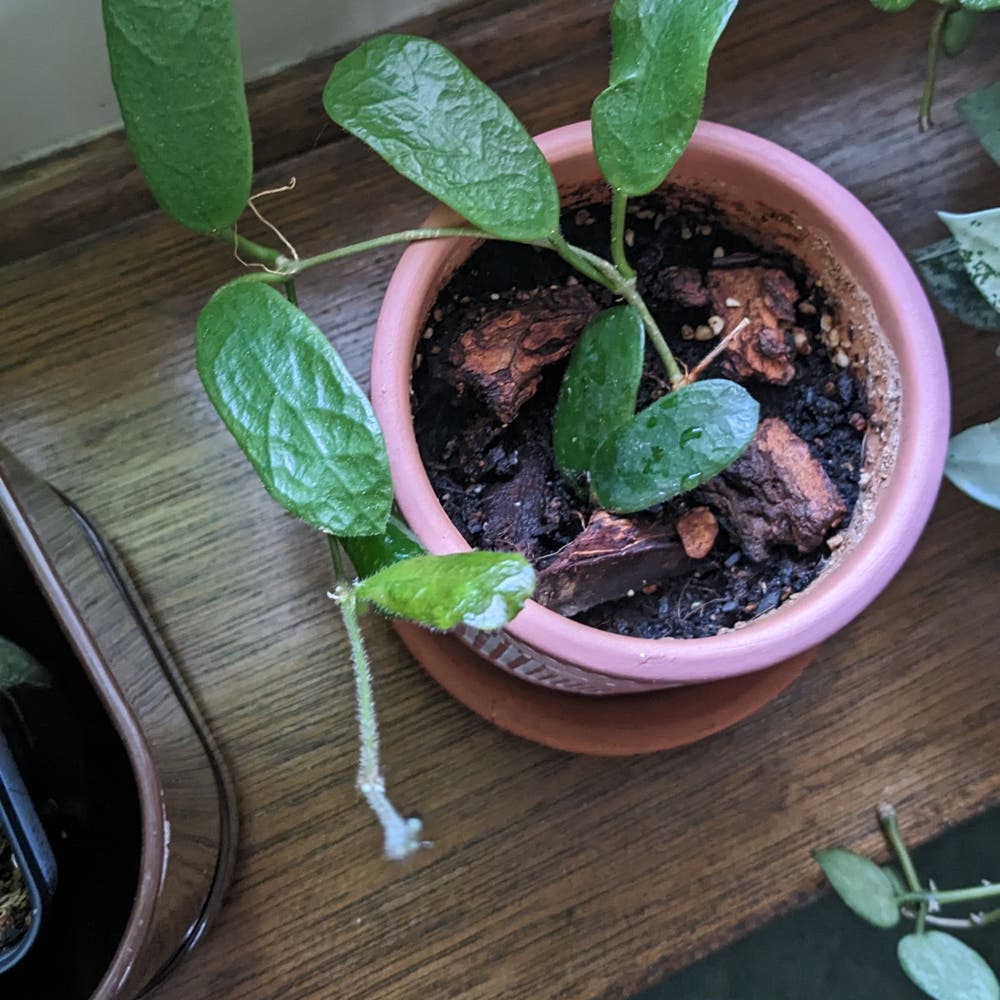
🌼 5 Ideal Companions for Your Round-leaved Hoya
Hoya rotundiflora
By the Greg Editorial Team
Sep 28, 2024•5 min read
This article was created with the help of AI so we can cover more plants for you. May contain errors. See one? Report it here.
Boost your Hoya's health and beauty 🌿 with perfect companion plants for a thriving indoor garden!
- 🌱 Pothos and Spider Plant thrive with Round-leaved Hoya, enhancing air quality and pest control.
- 🌼 Peace Lily and African Violet attract pollinators while sharing Hoya's light and humidity needs.
- 🏵️ Avoid cacti and ferns; they compete for resources and harm Hoya's humidity requirements.
Ideal Companion Plants
Plant 1: Pothos 🌿
Pothos is a hardy, trailing vine known for its heart-shaped leaves. This plant thrives in the same light and humidity conditions as your Round-leaved Hoya, making it an ideal companion.
Pothos enhances humidity levels, which is beneficial for Hoya growth. Additionally, it acts as a natural air purifier, improving indoor air quality.
Plant 2: Spider Plant 🕷️
The Spider Plant features resilient, arching leaves and small white flowers. It prefers bright, indirect light and well-draining soil, aligning well with Hoya care needs.
This plant is known for its pest-repellent properties, particularly against aphids. Plus, its cascading growth habit adds visual interest to your plant arrangement.
Plant 3: Peace Lily ☮️
Peace Lilies are popular indoor plants with glossy leaves and elegant white blooms. They thrive in similar humidity and light conditions as the Round-leaved Hoya.
Not only can they filter indoor air pollutants, but their flowers also attract beneficial pollinators, enhancing your indoor ecosystem.
Plant 4: ZZ Plant 🌱
The ZZ Plant is a low-maintenance option with thick, waxy leaves. It tolerates low light and infrequent watering, mirroring the drought tolerance of Hoya.
This plant provides a contrasting texture and shape, enhancing visual appeal. Its resilience against pests contributes to overall pest management in your plant collection.
Plant 5: African Violet 🌸
African Violets are flowering plants with velvety leaves and colorful blooms. They prefer similar indirect light and humidity levels, making them compatible with Hoya.
These vibrant flowers add color to your arrangement and attract pollinators, benefiting the Hoya's flowering process.
Incorporating these companion plants not only enhances the aesthetic appeal of your space but also creates a thriving environment for your Round-leaved Hoya. Next, let’s explore which plants to avoid for optimal growth.
Plants to Avoid
Plant 1: Cacti 🌵
Cacti are a no-go when it comes to pairing with your Round-leaved Hoya. They thrive in dry conditions, while Hoyas love humidity, creating a recipe for disaster.
Additionally, cacti can compete for light and nutrients. Their growth habits differ significantly, which can lead to an unhealthy environment for your Hoya.
Plant 2: Ferns 🌿
Ferns might seem like a lush addition, but they often require more moisture than your Hoya can handle. This can lead to overwatering issues, which are detrimental to Hoya health.
Moreover, ferns tend to grow faster and can outcompete your Hoya for space and resources. Keeping your Hoya thriving means steering clear of these moisture-loving plants.
By avoiding these incompatible plants, you set the stage for a flourishing indoor garden. Next, let’s explore how companion plants can enhance the visual appeal of your space.
Visual Appeal and Aesthetic Considerations
🌼 Enhancing Visual Appeal
Companion plants can significantly elevate the visual charm of your Round-leaved Hoya. By incorporating plants with complementary colors and textures, you create a harmonious arrangement that draws the eye.
Layering plants of varying heights adds depth to your display. This technique not only makes your plant arrangement more dynamic but also allows each plant to shine in its own right.
🎨 Creating a Harmonious Arrangement
To achieve a visually appealing setup, group plants with similar growth habits together. This approach ensures that each plant thrives while contributing to the overall aesthetic.
Consider using decorative pots that either match or contrast with the Hoya's unique look. The right pot can enhance the beauty of your plants and create a cohesive design that reflects your personal style.
💭 Final Thoughts
By thoughtfully selecting companion plants and arranging them with care, you can transform your space into a vibrant indoor garden. This not only benefits your Hoya but also creates an inviting atmosphere that uplifts your home.
Next, let’s explore how companion planting can aid in pest management, ensuring your plants remain healthy and thriving.
Pest Management through Companion Planting
Companion planting is a smart strategy for managing pests in your indoor garden. Certain plants can deter unwanted insects while attracting beneficial ones that help keep your Round-leaved Hoya thriving.
🌿 Creating Natural Barriers
Companion plants can act as barriers against pests. They can also lure in beneficial insects that prey on common pests, creating a balanced ecosystem.
🌀 Confusing the Pests
Diversity in your plant selection can confuse pests, making it harder for them to find their favorite targets. This natural method reduces infestations and keeps your plants healthier.
🌼 Effective Pest-Repellent Plants
Here are a couple of standout companions that excel in pest management:
Spider Plant
The Spider Plant is known for its ability to deter aphids and other common pests. Its arching leaves not only add visual interest but also serve as a natural pest shield.
Pothos
Pothos is another excellent choice. Its vigorous growth helps it outcompete pests for resources, making it a formidable ally for your Hoya.
By incorporating these pest-repellent plants, you can create a thriving indoor garden that benefits from natural pest management. This approach not only enhances the health of your plants but also fosters a more vibrant ecosystem in your home.
Next, let’s explore how to enhance the visual appeal of your plant arrangement with thoughtful aesthetic considerations.
⚠️ Safety First
This content is for general information and may contain errors, omissions, or outdated details. It is not medical, veterinary advice, or an endorsement of therapeutic claims.
Always consult a qualified healthcare professional before using any plant as food, medicine, or supplement.
Never eat any plant (or feed one to pets) without confirming its identity with at least two trusted sources.
If you suspect poisoning, call Poison Control (800) 222-1222, the Pet Poison Helpline (800) 213-6680, or your local emergency service immediately.
Spotted an error? Please report it here.
Elevate your indoor garden with ideal companions like Pothos and Spider Plant, and let Greg's personalized care tips help you thrive 🌱 in creating a lush, harmonious space for your Round-leaved Hoya!