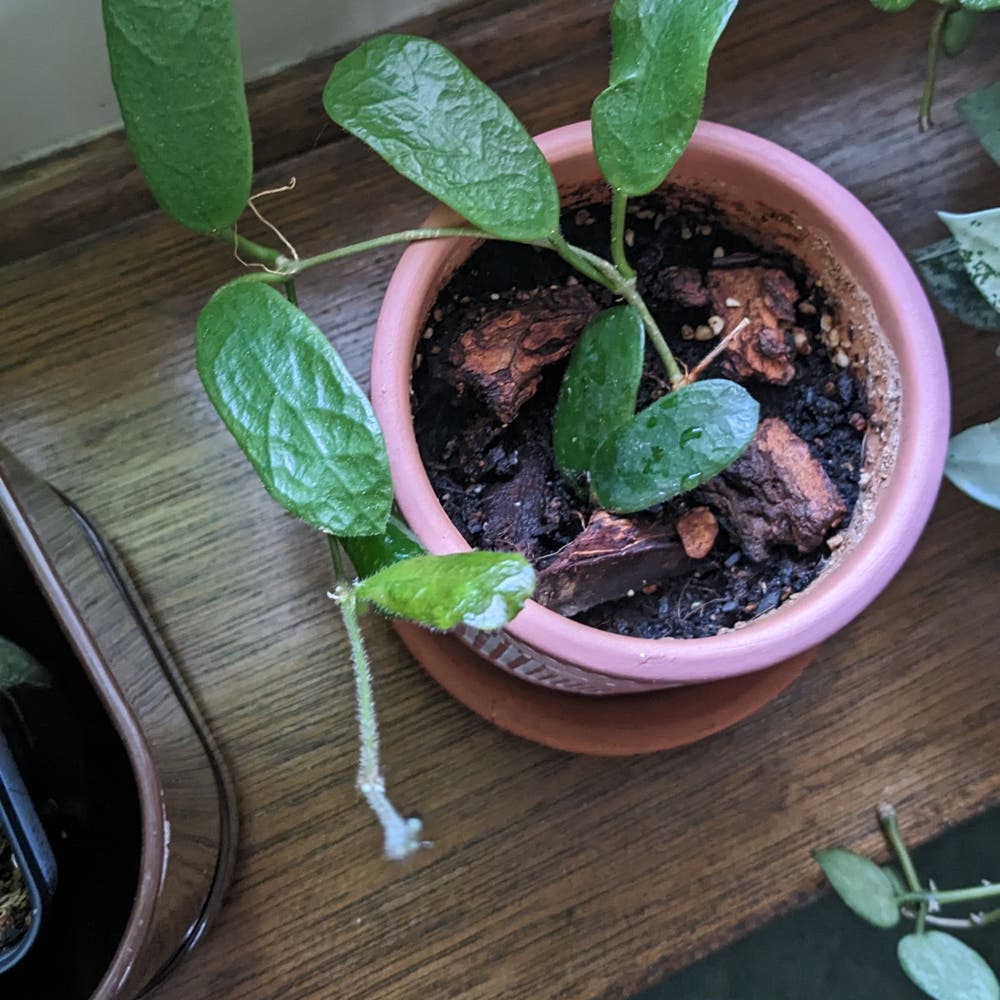
Propagating My Hoya rotundiflora: Step-by-Step Guide
Hoya rotundiflora
By the Greg Editorial Team
Jun 18, 2024•4 min read
This article was created with the help of AI so we can cover more plants for you. May contain errors. See one? Report it here.
Propagate your Hoya rotundiflora 🌿 with patience and precision using this expert stem-cutting guide!
- Stem cuttings are the preferred method for Hoya propagation.
- Patience and monitoring needed for roots to develop in the right conditions.
- Ideal environment: 68-73º F, 85% humidity, bright indirect light.
Preparing for Propagation
🌱 Choosing Your Propagation Method
When it comes to Hoya rotundiflora, stem cuttings are your best bet. They're like the plant's version of a high-yield savings account—invest a little, and watch your returns grow. Leaf cuttings and aerial roots are also in the game, but they're more like the penny stocks of propagation—higher risk, but sometimes worth the gamble.
🛠️ Gathering Your Supplies
Alright, time to gear up. You'll need sharp scissors or pruners—think Excalibur-level sharpness—to make those decisive cuts. Rooting hormone is like the secret sauce, not essential, but it gives your cuttings a leg up. Grab some pots that won't cramp your cuttings' style, and a soil mix that drains faster than a bathtub with no stopper. Think perlite, vermiculite, or sand to keep it light and airy.

The Propagation Play-by-Play
🌱 Taking Stem Cuttings
Identifying the right stem is your ticket to propagation paradise. Ensure it's vibrant and firm, showing no signs of weakness or pests. With disinfected shears, make a clean cut just below a node. Strip lower leaves to avoid rot and let the cutting callous for a few days—this is crucial for preventing rot.
Applying rooting hormone isn't mandatory, but it's like a success booster. Dip the cut end into the hormone powder, then tap off the excess. It's like equipping your cuttings with a tiny rooting cape.
🌿 Rooting Your Cuttings
Now, it's time to nestle your cuttings into their new home. Choose a well-draining soil mix—think of it as a comfy bed that's not too soggy. Water gently; you're not trying to drown them. Cover the cuttings with a plastic bag to create a mini greenhouse effect, but remember, no saunas—airflow is key.
Patience is your new best friend. In the first few weeks, expect little to no action—roots take time to develop. Keep the soil moist but not wet, and protect your cuttings from direct sunlight. They're not ready for their day in the sun just yet.

Creating the Ideal Propagation Environment
💡 Light, Temperature, and Humidity
Creating the right conditions for your Hoya rotundiflora cuttings is like setting up a backstage for a rockstar—everything needs to be on point.
Bright, Indirect Light
Your cuttings crave the spotlight, but not too harsh. Bright, indirect light is the sweet spot. Direct sunlight is a no-go—it's the overzealous fan that can cause a burnout.
Temperature: The Comfort Zone
Keep the temperature between 68 and 73º F. If you're not rocking bottom heat, crank it up slightly to 77-80º F to compensate. Think of it as the cuttings' personal climate-controlled dressing room.
Humidity: The Balancing Act
Aim for a humidity level of 85%—it's the adoring crowd that cheers on root growth. But don't let it turn into a mosh pit; too much moisture invites mold. A humidity dome can be your VIP pass to maintaining this balance.
Airflow: The Gentle Breeze
A soft breeze, like a backstage whisper, is essential. It keeps the air fresh and fights off fungal groupies. But keep it gentle—no gusts that could knock over your budding stars.
Stability: No Sudden Changes
Plants are divas when it comes to their environment. Avoid sudden shifts in light, temperature, or humidity. Consistency is key—like a steady drumbeat, it keeps everything in rhythm.
Monitoring: The Watchful Eye
Keep an eye on your cuttings like a hawk. Regular checks are non-negotiable. It's the soundcheck that ensures every performance—or in this case, propagation—goes off without a hitch.

Nurturing Your New Plants
💧 Watering Wisely
Watering your Hoya rotundiflora is less about sticking to a strict schedule and more about observing and responding to its needs. Check the soil before watering; it should be moist but not soggy. If the soil sticks to your finger, it's not yet time to water. Conversely, if it feels dry and crumbly, grab that watering can.
🛠 Troubleshooting Common Issues
Yellow leaves often scream overwatering, while wilted leaves may signal thirst. If you notice the soil pulling away from the pot's edge, it's a cry for hydration. Conversely, if lifting the plant leaves a wet, muddy residue, ease up on the water. Keep an eye out for root rot, a treacherous result of overzealous watering.
⚠️ Safety First
This content is for general information and may contain errors, omissions, or outdated details. It is not medical, veterinary advice, or an endorsement of therapeutic claims.
Always consult a qualified healthcare professional before using any plant as food, medicine, or supplement.
Never eat any plant (or feed one to pets) without confirming its identity with at least two trusted sources.
If you suspect poisoning, call Poison Control (800) 222-1222, the Pet Poison Helpline (800) 213-6680, or your local emergency service immediately.
Spotted an error? Please report it here.
Propagate your Hoya rotundiflora 🌿 with confidence as Greg guides you with custom care reminders and environmental tips for flourishing new growth!