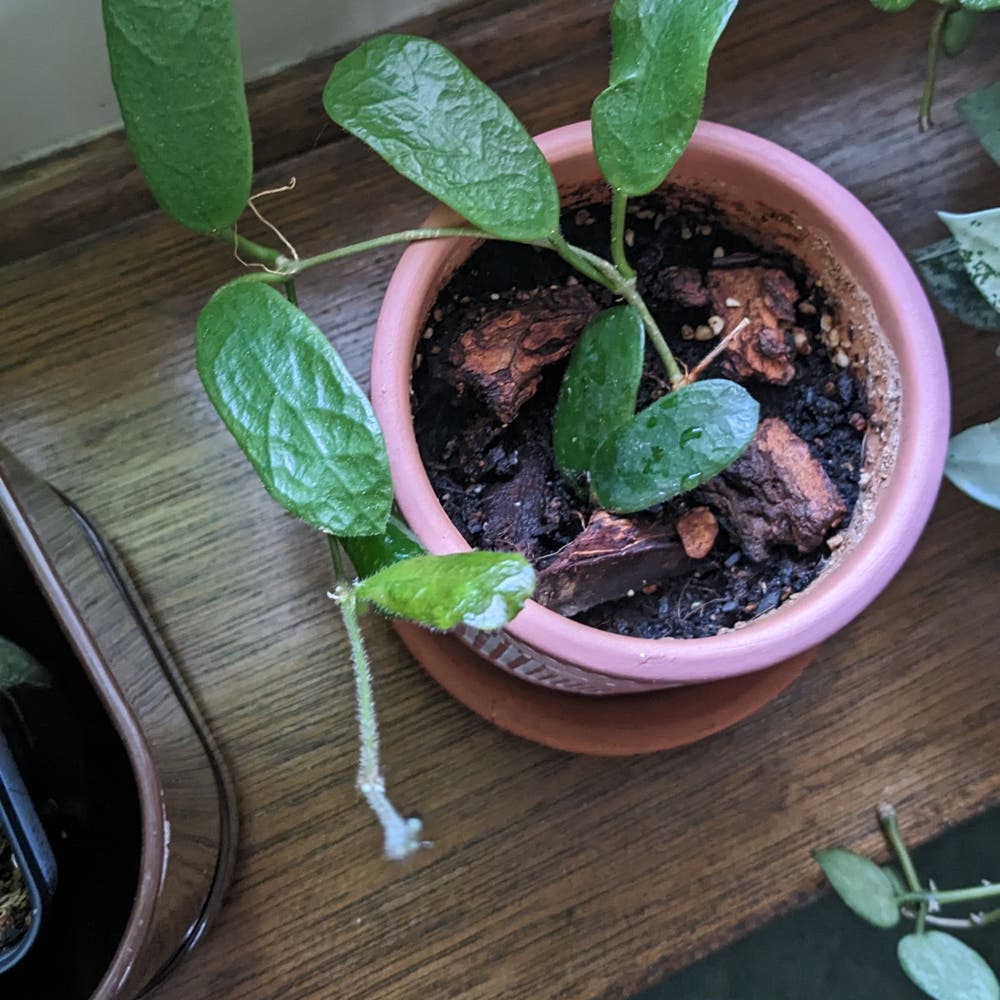
🌸 Round-leaved Hoya is Not an Invasive Plant
Hoya rotundiflora
By the Greg Editorial Team
Sep 28, 2024•4 min read
This article was created with the help of AI so we can cover more plants for you. May contain errors. See one? Report it here.
Elevate your garden's beauty 🌿 and support local wildlife with the low-maintenance Round-leaved Hoya!
- 🌱 Round-leaved Hoya grows slowly, making it easy to manage in any garden.
- 🐝 Attracts pollinators like bees and butterflies, boosting garden biodiversity.
- 🌿 Supports local wildlife and improves soil health, enhancing ecosystem balance.
Growth Habits
Typical Growth Patterns 🌱
Round-leaved Hoya exhibits a slow to moderate growth rate, making it an easy plant to manage in garden settings. Its climbing and trailing behavior allows it to thrive on trellises, in hanging baskets, or as ground cover.
Natural Limits to Growth 🌿
This plant flourishes in well-draining soil and bright, indirect light, which are essential for its health. However, it does require support structures to reach its full climbing potential, so plan your garden layout accordingly.
With its manageable growth habits and specific environmental needs, Round-leaved Hoya can be a delightful addition to your garden. Next, let’s explore its ecological role and the benefits it brings to local wildlife.
Ecological Role
🐝 Benefits to Local Wildlife
Round-leaved Hoya is a magnet for pollinators. Its fragrant flowers attract bees and butterflies, making it a delightful addition to any garden.
This plant also supports biodiversity. It provides essential habitat and food sources for various species, contributing to a thriving ecosystem.
🌱 Positive Interactions with Other Plants
Companion planting is a breeze with Round-leaved Hoya. It can coexist harmoniously with other non-invasive plants, enhancing the overall diversity of your garden.
Moreover, its root systems improve soil health. By contributing to soil structure, this plant helps create a more robust environment for all garden inhabitants.
Incorporating Round-leaved Hoya not only beautifies your space but also plays a vital role in supporting local wildlife and enhancing ecological balance. As we move forward, let’s explore how to effectively manage this lovely plant in your garden.
Garden Management
Effective Incorporation into Designs 🌿
Incorporating Round-leaved Hoya into your garden can be both practical and visually stunning. Use it as a climbing plant on trellises or let it cascade from hanging baskets for a lush effect.
The clusters of star-shaped flowers not only add beauty but also attract pollinators. This makes your garden a vibrant ecosystem while enhancing its aesthetic appeal.
Maintenance Tips for Healthy Growth 🌱
To keep your Round-leaved Hoya thriving, establish a consistent watering schedule. Allow the soil to dry out between waterings to prevent root rot, which can be a common issue.
Fertilization is also key during the growing season. A balanced fertilizer will provide the nutrients needed for healthy growth and abundant blooms.
By following these simple tips, you can enjoy a flourishing Round-leaved Hoya that enhances both your garden's beauty and its ecological value. Next, let’s explore how this plant compares to others in your garden.
Comparison to Other Plants
Unique Qualities 🌟
Round-leaved Hoya stands out with its thick, waxy leaves that not only look appealing but also help retain moisture. Its fragrant flowers, often resembling clusters of stars, add a delightful scent to any garden.
This plant is incredibly adaptable, thriving in various garden settings, from sunny balconies to shaded corners. Its versatility makes it a favorite among gardeners looking to enhance their spaces effortlessly.
Benefits Over Other Plants 🌿
One of the best features of Round-leaved Hoya is its low maintenance requirement. Unlike some climbing plants that demand constant attention, this beauty flourishes with minimal care, making it perfect for busy gardeners.
Additionally, it offers significant ecological advantages. By supporting local wildlife, such as bees and butterflies, it enhances garden biodiversity, creating a vibrant ecosystem right in your backyard.
Incorporating Round-leaved Hoya into your garden not only beautifies your space but also contributes positively to the environment. As you plan your garden, consider how this plant can elevate both aesthetics and ecological health.
Next, let’s explore the legal and environmental considerations of planting Round-leaved Hoya.
Legal and Environmental Considerations
Relevant Classifications 🌱
When considering the Round-leaved Hoya for your garden, it's essential to check local regulations. Some areas may have specific guidelines regarding the planting of Hoya species.
Confirming its non-invasive status is also crucial. Many gardening resources can help you verify this classification, ensuring you make informed choices for your landscape.
Sustainable Gardening Practices ♻️
Incorporating Round-leaved Hoya into sustainable designs offers numerous benefits. This plant supports biodiversity and attracts pollinators, making it a valuable addition to any garden.
Moreover, its environmental impact is minimal. By choosing non-invasive plants like the Round-leaved Hoya, you contribute positively to local ecosystems while enhancing your garden's beauty.
As you explore these considerations, remember that thoughtful gardening can create a harmonious balance between aesthetics and ecological responsibility.
⚠️ Safety First
This content is for general information and may contain errors, omissions, or outdated details. It is not medical, veterinary advice, or an endorsement of therapeutic claims.
Always consult a qualified healthcare professional before using any plant as food, medicine, or supplement.
Never eat any plant (or feed one to pets) without confirming its identity with at least two trusted sources.
If you suspect poisoning, call Poison Control (800) 222-1222, the Pet Poison Helpline (800) 213-6680, or your local emergency service immediately.
Spotted an error? Please report it here.
Enhance your garden's beauty and biodiversity with the Round-leaved Hoya 🌱, and let Greg provide tailored care reminders to help you cultivate a thriving ecosystem!