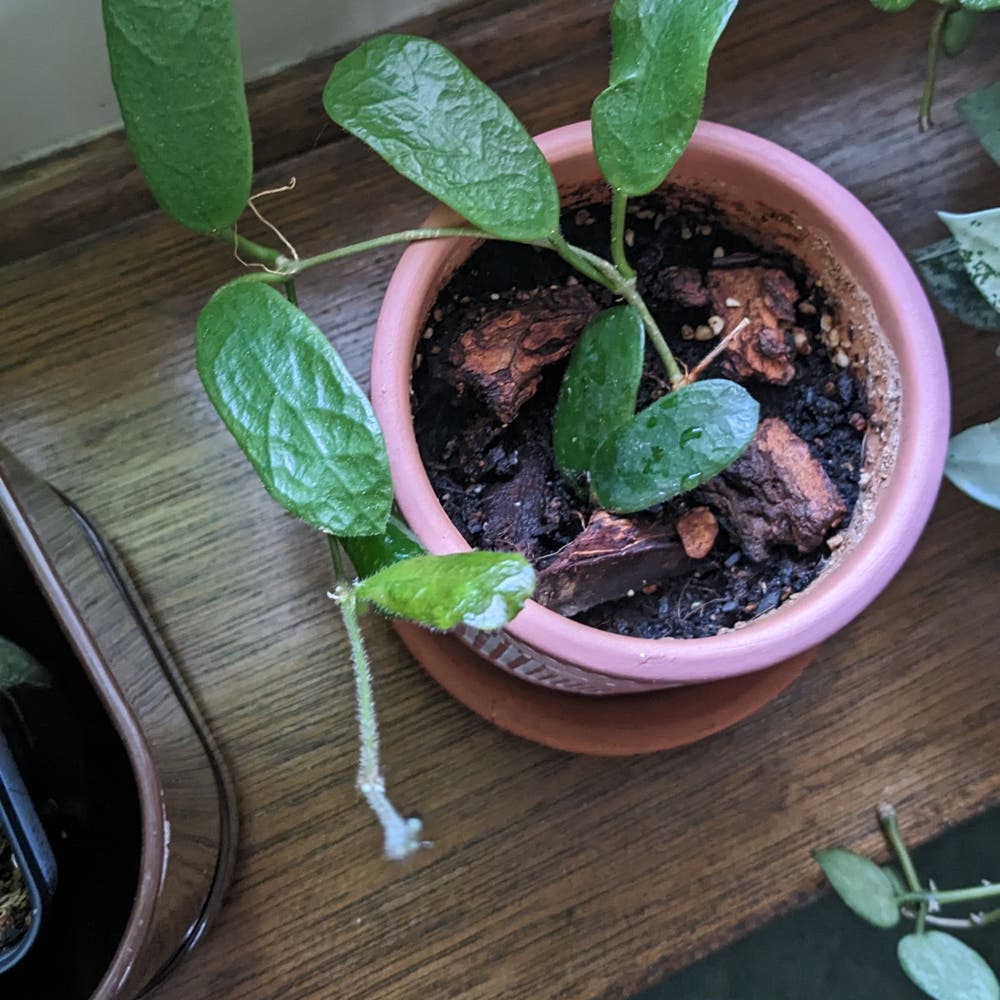
Why Are There Brown Spots on My Hoya rotundiflora?
Hoya rotundiflora
By the Greg Editorial Team
Jun 18, 2024•5 min read
This article was created with the help of AI so we can cover more plants for you. May contain errors. See one? Report it here.
Rescue your Hoya from brown blight 🍂 and restore its lush beauty with our expert care guide!
- Brown spots signal distress, ranging from tiny speckles to large patches.
- Sunburn, watering issues, pests, or fungi can cause brown spots.
- Prevent spots with proper light, water, and pest control; use fungicides if needed.
Spotting the Trouble: Identifying Brown Spots on Your Hoya
🕵️ What Do Brown Spots Look Like?
Brown spots on Hoya rotundiflora leaves can be sneaky. They might start as tiny speckles or show up as larger, more ominous patches. These spots can range from a light tan to a dark brown hue. Their placement on the leaf—whether it's in the center, along the margins, or scattered randomly—can give you clues about what's causing them.
🤔 Common Mistaken Identities: Brown Spots vs. Other Leaf Issues
Not all leaf blemishes are created equal. It's easy to mistake a harmless quirk in the leaf pattern for the beginning of a brown spot crisis. Conversely, what might look like a simple cosmetic issue could be a symptom of a more serious condition. It's important to distinguish between brown spots caused by environmental factors, pests, or diseases, and those that are just part of the plant's natural character.
For instance, a uniform pattern of spots could be part of the plant's genetics, while irregular or spreading spots are a red flag. Keep an eye out for accompanying signs like yellow halos, which often indicate a fungal issue, or crispy edges, which suggest sunburn. Wet lesions are typically a sign of overwatering, while dry patches might point to underwatering or too much direct sunlight.
Remember, your Hoya isn't just being dramatic; those spots are a distress signal. It's up to you to play plant detective and decode the message.

The Usual Suspects: Causes of Brown Spots
⛅️ Too Much Sun, Too Little Shade: Light-Related Issues
Sunburn isn't just a human problem; plants like your Hoya rotundiflora can get it too. When exposed to too much direct sunlight, the leaves can develop brown, crispy spots, a plant's version of a bad tan. To avoid this, ensure your Hoya enjoys bright, indirect light – think of it as their preferred SPF.
💧 Thirsty Roots: Over- or Under-Watering Woes
Watering is a delicate dance, and getting it wrong can lead to brown spots. Over-watering can drown the roots, leaving them gasping for air, while under-watering can leave your plant parched and stressed. Both extremes manifest as brown spots on the leaves, a clear sign that your watering schedule needs tweaking.
🐜 Uninvited Guests: Pest Infestations That Cause Brown Spots
Pests are the vandals of the plant world, leaving their mark in the form of brown spots. They're not picky and will attack any vulnerable part of your Hoya. Regular inspections and prompt treatment can help keep these tiny troublemakers at bay.
🍄 Fungal Foes: Diseases Leading to Leaf Blemishes
Fungal infections are the uninvited guests at the garden party, causing chaos and leaving behind brown spots as unwanted souvenirs. High humidity and poor air circulation are their favorite dance partners. If you spot a fungal fiesta on your leaves, it's time to bring out the fungicides and improve air flow around your plant.

Brown Spot Boot Camp: Treating the Spots
🌞 Adjusting Your Hoya's Sunbathing Routine
Direct sunlight is a no-go for your Hoya rotundiflora. Think of it as a vampire—it thrives in the shadows. Move it to a spot with bright, indirect light to prevent those unsightly brown spots. Rotate the plant regularly to ensure all sides get their fair share of light without getting scorched.
💧 Fine-Tuning the Watering Schedule
Overwatering is the fast track to Brown Spot Boulevard. Let the topsoil dry out completely before giving your Hoya another drink. Stick your finger in the soil; if it's damp, hold off on the water. It's about finding that sweet spot where your plant is neither parched nor drowning.
🐜 Evicting Pests: Treatment Options
If you spot pests, it's time for some plant pest control. Neem oil or insecticidal soap can be your eco-friendly arsenal. Apply with precision, following the instructions to the letter. And remember, isolation is key—keep your infected Hoya away from its green companions to prevent a pest party.
🍄 Battling Leaf Diseases: Fungicides and Other Solutions
Fungal infections demand a strong defense. A copper-based fungicide can be your ally, but use it sparingly. It's like antibiotics for your plant—too much can be overkill. And don't forget, cleanliness is next to godliness; keep those leaves wiped down and the air flowing to stave off fungal invaders.

Fortifying Your Hoya: Prevention Tactics
🌿 Crafting the Perfect Environment
Creating the ideal environment for your Hoya rotundiflora is like setting the stage for a stellar performance. Bright, indirect light is your plant's best friend, mimicking the dappled sunlight of its natural habitat. Ensure good air circulation to keep those leaves dancing and deter any fungal gatecrashers. A cozy humidity level of 50-60% will keep your Hoya's spirits high without inviting unwanted moisture-loving pests.
👀 Regular Check-Ups: Monitoring for Early Signs
Vigilance is your watchword. Regularly inspect your Hoya for signs of distress, such as discoloration or wilting. Keeping a care log can help you track the plant's health and the effectiveness of your care routine. Early detection of any issues means you can nip them in the bud before they escalate into a full-blown brown spot crisis.
💧 The Right Way to Water: Techniques to Prevent Overwatering
Overwatering is the root of all evil in the Hoya world. Check the soil's top 2 inches; if it's dry, it's time to hydrate. Morning watering rituals allow leaves to dry out, reducing the risk of fungal fiestas. And remember, your Hoya hates wet feet, so ensure proper drainage to keep those roots happy and healthy. Use the finger technique or a moisture meter to avoid waterlogged woes, and always empty the saucer to prevent a soggy situation.
⚠️ Safety First
This content is for general information and may contain errors, omissions, or outdated details. It is not medical, veterinary advice, or an endorsement of therapeutic claims.
Always consult a qualified healthcare professional before using any plant as food, medicine, or supplement.
Never eat any plant (or feed one to pets) without confirming its identity with at least two trusted sources.
If you suspect poisoning, call Poison Control (800) 222-1222, the Pet Poison Helpline (800) 213-6680, or your local emergency service immediately.
Spotted an error? Please report it here.
Banish those brown spots and keep your Hoya rotundiflora spotless 🍃 with Greg's tailored care plans and real-time community support.