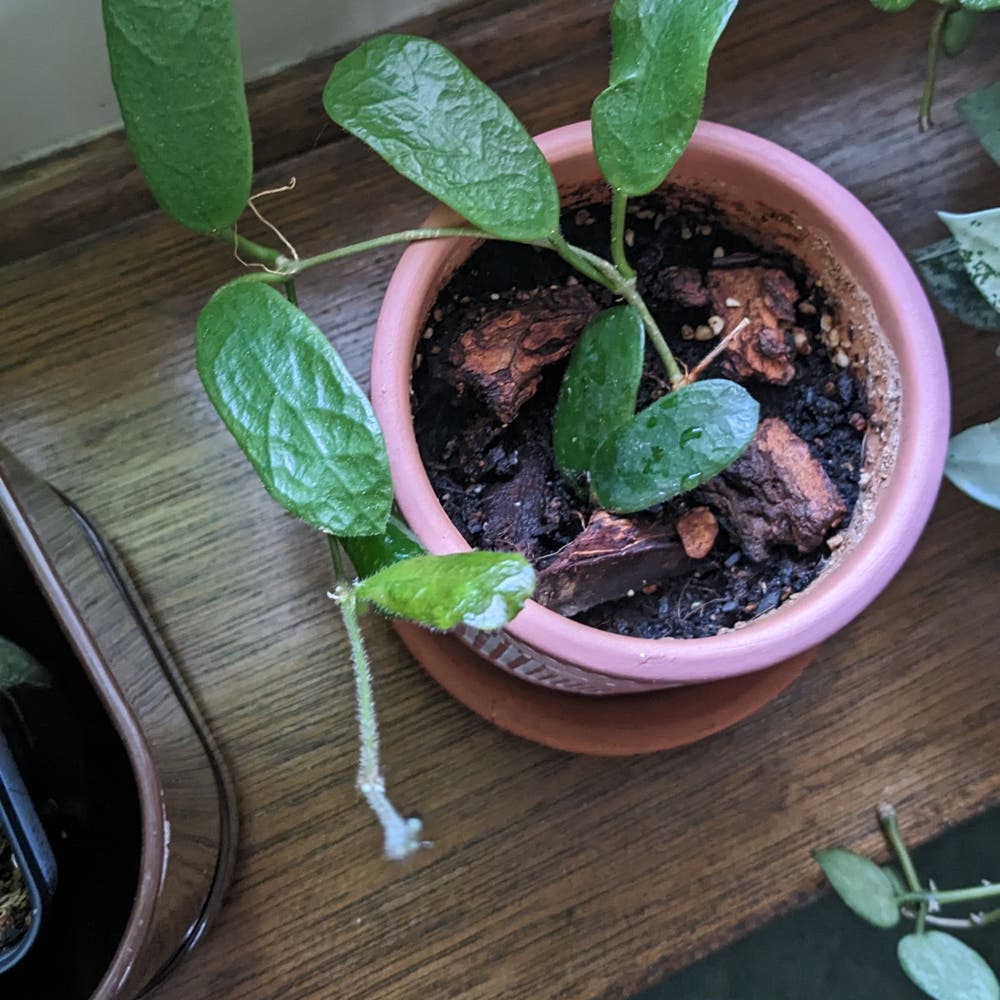
8 Steps to a Healthy Outdoor Round-leaved Hoya ☀️
Hoya rotundiflora
By the Greg Editorial Team
Sep 28, 2024•6 min read
This article was created with the help of AI so we can cover more plants for you. May contain errors. See one? Report it here.
Unlock the secret to a thriving outdoor Hoya with essential care tips for sunlight and soil! 🌞🌱
- 🌞 Round-leaved Hoyas need 4-6 hours of bright, indirect light for optimal growth.
- 💧 Water only when the top 1-2 inches of soil are dry to prevent root rot.
- 🐛 Regularly inspect for pests like aphids; use neem oil for effective control.
Sunlight and Location
Ideal Sunlight Conditions 🌞
For your outdoor round-leaved Hoya, optimal sunlight exposure is crucial. Aim for bright, indirect light for about 4-6 hours daily to keep those thick, waxy leaves healthy.
Direct sunlight can be detrimental, scorching the leaves and stunting growth. If you notice leggy growth or fewer flowers, it’s a sign your plant isn’t getting enough light.
Choosing the Right Location for Outdoor Planting 🏡
When selecting a spot for your Hoya, consider sheltered areas that receive filtered sunlight. Positioning near walls or fences can provide added warmth, creating a cozy microclimate.
Airflow is another essential factor. Good ventilation helps prevent mold and mildew, especially in humid conditions, ensuring your plant thrives in its outdoor setting.
With the right sunlight and location, your Hoya will flourish, setting the stage for the next steps in its care.
Watering and Soil Preferences
Watering Requirements 🌊
Watering your Round-leaved Hoya is straightforward. Allow the top 1-2 inches of soil to dry out between waterings to prevent overwatering.
Watch for signs of overwatering, like yellowing leaves and root rot. Conversely, droopy leaves and dry, crispy edges indicate underwatering.
Best Soil Types 🌱
Choosing the right soil is crucial for your Hoya's health. A well-draining potting mix enriched with organic matter works best.
Aim for a slightly acidic to neutral pH, ideally between 6.0 and 7.0. Proper drainage is essential to prevent waterlogging, which can hinder healthy root growth.
With the right watering routine and soil mix, your Hoya will thrive. Next, let’s explore effective fertilization techniques to keep your plant flourishing.
Fertilization Techniques
🌱 Recommended Fertilizers
To keep your outdoor round-leaved Hoya thriving, opt for balanced, water-soluble fertilizers. A popular choice is the 10-10-10 NPK formula, which provides essential nutrients in equal parts.
For those leaning towards organic gardening, consider using fish emulsion or compost tea. These natural options enrich the soil without the harsh chemicals, promoting a healthier plant environment.
📅 Fertilization Schedule and Methods
Timing is key when it comes to fertilizing your Hoya. Aim to fertilize every 4-6 weeks during the growing season, which spans spring and summer.
When applying fertilizer, dilute it in water and pour it directly onto the soil. This method ensures that the nutrients reach the roots effectively, giving your plant the boost it needs to flourish.
With proper fertilization, your Hoya will not only grow but also bloom beautifully. Next, let’s explore the best planting options for your Hoya, whether in containers or directly in the ground.
Planting Options
🌱 Container vs. Ground Planting
When deciding between container and ground planting for your outdoor round-leaved Hoya, consider the unique benefits and drawbacks of each method. Both options have their merits, but your choice will depend on your gardening style and environmental conditions.
Container Planting: Benefits and Drawbacks
Benefits:
Mobility: Containers allow you to easily move your Hoya to find the best light and weather conditions. This flexibility is especially useful during seasonal changes.
Control Over Soil Quality: You can customize the soil mix to suit your plant's needs, ensuring optimal drainage and nutrient levels.
Drawbacks:
Limited Root Space: Containers restrict root growth, which may lead to more frequent watering and fertilization. Keep an eye on your plant's needs to avoid stress.
Risk of Overheating: In direct sunlight, containers can heat up quickly, potentially harming the roots. Consider shading or relocating them during peak sun hours.
🌍 Ground Planting: Benefits and Drawbacks
Benefits:
Natural Growth Environment: Planting in the ground provides ample space for roots to expand, promoting healthier growth. Your Hoya can thrive in a more natural setting.
Less Frequent Watering: Ground soil typically retains moisture better than containers, reducing the need for constant watering.
Drawbacks:
Less Control Over Soil Conditions: You may need to amend the soil to meet your Hoya's specific needs, which can be a bit of a hassle.
Vulnerability to Pests and Diseases: Ground-planted Hoyas are more exposed to pests and diseases. Regular monitoring is essential to keep your plant healthy.
Choosing between container and ground planting ultimately depends on your gardening preferences and the specific conditions of your outdoor space. Each method has its unique advantages, so weigh them carefully to ensure your round-leaved Hoya thrives.
As you consider your planting options, remember that the right choice can set the stage for a flourishing plant. Next, let’s explore how to protect your Hoya from weather extremes and pesky pests.
Protection from Weather and Pests
🌨️ Weather Protection Strategies
To keep your outdoor round-leaved Hoya thriving, weather protection is essential. During cold snaps, use frost cloths or bring containers indoors to shield them from frost damage.
In peak summer, consider using shade cloth to protect your plant from extreme heat and direct sunlight. This simple step can prevent leaf scorch and ensure your Hoya remains healthy.
🐛 Common Outdoor Pests and Diseases
Outdoor plants can face various pests and diseases. Common pests include aphids, which leave a sticky residue and cause curled leaves, and mealybugs, identifiable by their cotton-like masses on stems and leaves.
Root rot is a prevalent disease, often caused by overwatering. Signs include wilting and yellowing leaves, indicating that your plant needs immediate attention.
🧼 Pest Control Methods and Prevention Tips
For pest control, organic options like neem oil or insecticidal soap can be effective treatments. These solutions are gentle on your plant while tackling unwanted visitors.
Regular inspection is key to prevention. Maintaining plant health through proper care will make your Hoya less susceptible to pests and diseases, ensuring it flourishes in your outdoor space.
With these strategies in place, your Hoya will be better equipped to handle the elements and potential threats. Next, let’s explore how seasonal changes impact Hoya care.
Seasonal Care and Climate Considerations
🌱 Seasonal Changes and Their Impact on Hoya Care
Spring is a time of renewal, and your Hoya will thrive with increased watering and fertilization as growth kicks into high gear. As summer rolls in, keep a close eye on pests and ensure your plant stays adequately moist to combat the heat.
As the leaves start to fall, gradually reduce watering to match the dropping temperatures. Winter is all about protection; shield your Hoya from frost and cut back on fertilization to help it rest.
🌍 Special Considerations for Different Climate Zones
If you're in a tropical or subtropical zone, consider yourself lucky! Your Hoya can flourish outdoors with minimal protection.
In temperate zones, vigilance is key—monitor for frost and temperature drops to keep your plant healthy. For those in cold climate zones, container planting is your best bet, allowing for easy relocation indoors when winter hits.
With these seasonal tips, your outdoor round-leaved Hoya will not only survive but thrive, bringing beauty to your garden year-round. Next, let’s dive into effective protection strategies against weather extremes and pesky pests.
⚠️ Safety First
This content is for general information and may contain errors, omissions, or outdated details. It is not medical, veterinary advice, or an endorsement of therapeutic claims.
Always consult a qualified healthcare professional before using any plant as food, medicine, or supplement.
Never eat any plant (or feed one to pets) without confirming its identity with at least two trusted sources.
If you suspect poisoning, call Poison Control (800) 222-1222, the Pet Poison Helpline (800) 213-6680, or your local emergency service immediately.
Spotted an error? Please report it here.
Cultivate a thriving Hoya outdoors 🌞 with Greg's tailored care reminders that ensure your plant gets just the right amount of sunlight, water, and nutrients for vibrant growth!