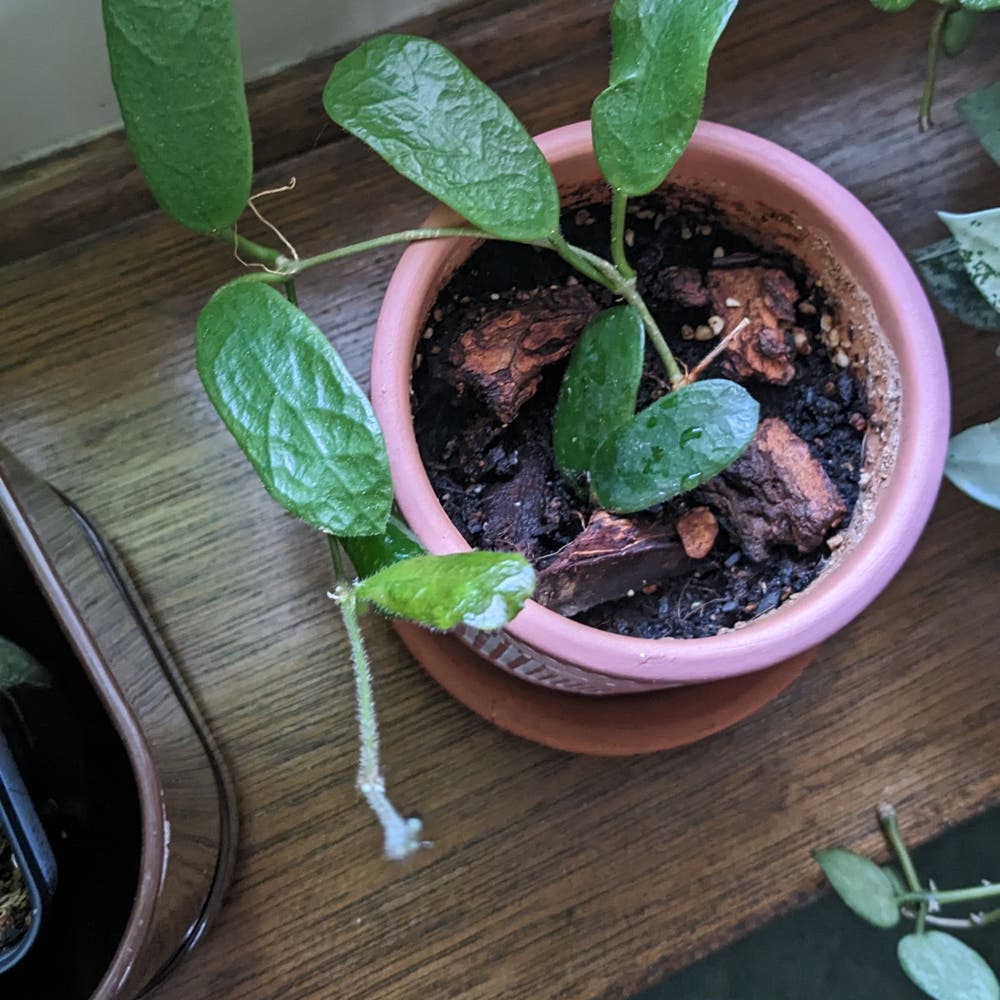
🌸 Top 6 Signs Your Round-leaved Hoya Has Flower Problems
Hoya rotundiflora
By the Greg Editorial Team
Sep 28, 2024•6 min read
This article was created with the help of AI so we can cover more plants for you. May contain errors. See one? Report it here.
Unlock vibrant Hoya blooms 🌸 by mastering light and care techniques for thriving plants!
- 🌞 Insufficient light hinders blooming; ensure bright, indirect sunlight for your Hoya.
- 🌱 Nutrient deficiencies affect flowers; use balanced fertilizers for vibrant blooms.
- 💧 Overwatering causes flower drop; let soil dry out between waterings for health.
Failure to Bloom
🌞 Causes
Insufficient Light
Hoya carnosa thrives in bright, indirect sunlight. When deprived of adequate light, the plant struggles to produce blooms, leading to disappointment for any plant lover.
Improper Nutrition
Nutrient deficiencies can significantly hinder flowering. A balanced fertilization routine is essential to ensure your Hoya receives the nutrients it needs for vibrant blooms.
Environmental Stress
Temperature fluctuations and low humidity can stress your Hoya, impacting its ability to flower. Maintaining a stable environment is crucial for encouraging blooming.
💡 Solutions
Adjusting Light Exposure
To promote blooming, place your Hoya in bright, indirect sunlight. If necessary, relocate the plant to a sunnier spot to enhance its light access.
Fertilization Tips
Use fertilizers specifically designed for Hoya carnosa, rich in essential nutrients. A regular fertilization schedule, especially during the growing season, can significantly boost bloom potential.
Environmental Adjustments
Stabilizing temperature and humidity is vital for your Hoya's health. Avoid drafts and sudden changes to create a more conducive environment for flowering.
By addressing these common issues, you can help your Hoya carnosa thrive and bloom beautifully. Next, let's explore the signs of premature flower drop and how to prevent it.
Premature Flower Drop
🥤 Causes
Overwatering
Overwatering is a common culprit behind premature flower drop in Hoya carnosa. Signs include yellowing leaves and soggy soil, which can lead to root rot and ultimately cause flowers to fall off.
Sudden Temperature Changes
Temperature fluctuations can stress your Hoya, leading to flower drop. Ideally, maintain a consistent temperature range of 60°F to 80°F for optimal health.
Pest Infestations
Pests like aphids and spider mites can wreak havoc on your plant. Look for signs such as discolored leaves or webbing, indicating that your Hoya is under stress from these invaders.
💧 Solutions
Watering Techniques
To prevent overwatering, ensure you follow proper watering practices. Always allow the soil to dry out between waterings to promote healthy root growth.
Maintaining Stable Temperatures
Keep your Hoya in a stable environment by avoiding drafts and sudden temperature shifts. Aim for indoor conditions that stay within the ideal temperature range to support blooming.
Pest Control Methods
Identify common pests early to manage infestations effectively. Consider both organic options, like neem oil, and chemical treatments to keep your plant healthy and thriving.
By addressing these issues, you can help your Hoya carnosa flourish and enjoy its beautiful blooms. Next, let’s explore abnormal flower development and what you can do to ensure your plant produces stunning flowers.
Abnormal Flower Development
🌱 Causes
Nutrient Deficiencies
Nutrient deficiencies can severely impact the flowering of your Hoya carnosa. Key nutrients like nitrogen, phosphorus, and potassium are essential for healthy blooms, and their absence can lead to stunted growth and poor flower quality.
Signs of nutrient deficiencies include yellowing leaves, poor flower formation, and overall weak plant vigor. If you notice these symptoms, it’s time to reassess your fertilization routine.
Improper Pruning
Incorrect pruning techniques can disrupt the natural blooming cycle of your Hoya. Pruning at the wrong time or cutting too much can prevent flowers from forming, leaving you with a bare plant instead of a vibrant display.
To ensure effective pruning, focus on removing dead or damaged stems while maintaining the plant's shape. Timing is crucial; prune after flowering to encourage new growth.
Inadequate Humidity
Humidity plays a vital role in flower formation for Hoya carnosa. Low humidity levels can lead to stress, resulting in abnormal flower development or even flower drop.
Signs of low humidity stress include browning leaf edges and wilting flowers. If your plant exhibits these symptoms, it’s a clear indication that it needs more moisture in the air.
💡 Solutions
Fertilization Strategies
To support healthy flower development, choose a balanced fertilizer rich in the essential nutrients your Hoya needs. Look for options specifically formulated for flowering plants.
Apply fertilizer during the growing season, typically from spring to early fall, to maximize bloom potential. Follow the manufacturer’s instructions for application rates to avoid over-fertilization.
✂️ Correct Pruning Methods
For optimal flowering, follow these steps for effective pruning:
- Assess the Plant: Identify dead or damaged stems.
- Choose the Right Time: Prune after the blooming period.
- Make Clean Cuts: Use sharp, sterilized tools to avoid infection.
Best practices include removing only a third of the plant at a time to maintain its health and shape. This encourages new growth while preserving the plant's overall structure.
💧 Humidity Management
Increasing humidity around your Hoya can significantly improve flower development. Consider using a humidity tray filled with water and pebbles to create a microclimate.
Misting the leaves occasionally can also help, but avoid overdoing it to prevent mold. Aim for humidity levels between 40-60% for optimal growth.
By addressing these factors, you can encourage your Hoya carnosa to thrive and produce beautiful blooms. Next, let’s explore the environmental factors that can affect flowering.
Environmental Factors Affecting Flowering
🌞 Light Conditions
Hoya carnosa thrives in bright, indirect sunlight. Too little light can stunt its growth and prevent those stunning blooms from appearing.
Insufficient light intensity can disrupt the bloom cycle, leading to fewer flowers or even none at all. Position your Hoya near a window where it can soak up that perfect light without being scorched.
🍽️ Nutritional Needs
To promote flowering, Hoya carnosa requires key nutrients like nitrogen, phosphorus, and potassium. These elements are crucial for healthy growth and vibrant blooms.
Watch for signs of nutrient deficiencies, such as yellowing leaves or stunted growth. Addressing these issues promptly can make a significant difference in flower development.
Understanding these environmental factors is essential for nurturing a thriving Hoya. With the right light and nutrition, you can encourage your plant to bloom beautifully.
Pest and Disease Management
🐛 Common Pests Affecting Flowering
Pests can be a significant barrier to your Hoya carnosa's blooming potential. Common culprits include aphids, mealybugs, and spider mites, all of which can sap the plant's energy.
Symptoms of Infestation:
- Yellowing leaves
- Stunted growth
- Premature flower drop
If you notice these signs, it's crucial to act quickly. Ignoring pest issues can lead to more severe damage and hinder your plant's ability to produce beautiful blooms.
🦠 Disease Prevention Strategies
Hoya carnosa is generally resilient, but it can fall victim to diseases like root rot and powdery mildew. Root rot often stems from overwatering, while powdery mildew thrives in high humidity with poor air circulation.
Preventative Measures:
- Ensure proper drainage to avoid waterlogged soil.
- Maintain good airflow around the plant.
- Regularly inspect for signs of disease.
By taking these steps, you can keep your Hoya healthy and encourage it to flourish. A proactive approach to pest and disease management will help ensure your plant remains vibrant and ready to bloom.
Next, let’s explore how environmental factors like light and nutrition play a crucial role in your Hoya's flowering success.
⚠️ Safety First
This content is for general information and may contain errors, omissions, or outdated details. It is not medical, veterinary advice, or an endorsement of therapeutic claims.
Always consult a qualified healthcare professional before using any plant as food, medicine, or supplement.
Never eat any plant (or feed one to pets) without confirming its identity with at least two trusted sources.
If you suspect poisoning, call Poison Control (800) 222-1222, the Pet Poison Helpline (800) 213-6680, or your local emergency service immediately.
Spotted an error? Please report it here.
Create the ideal blooming environment 🌸 for your round-leaved Hoya with Greg's tailored care reminders, ensuring it gets the right light, nutrients, and humidity for vibrant flowers!