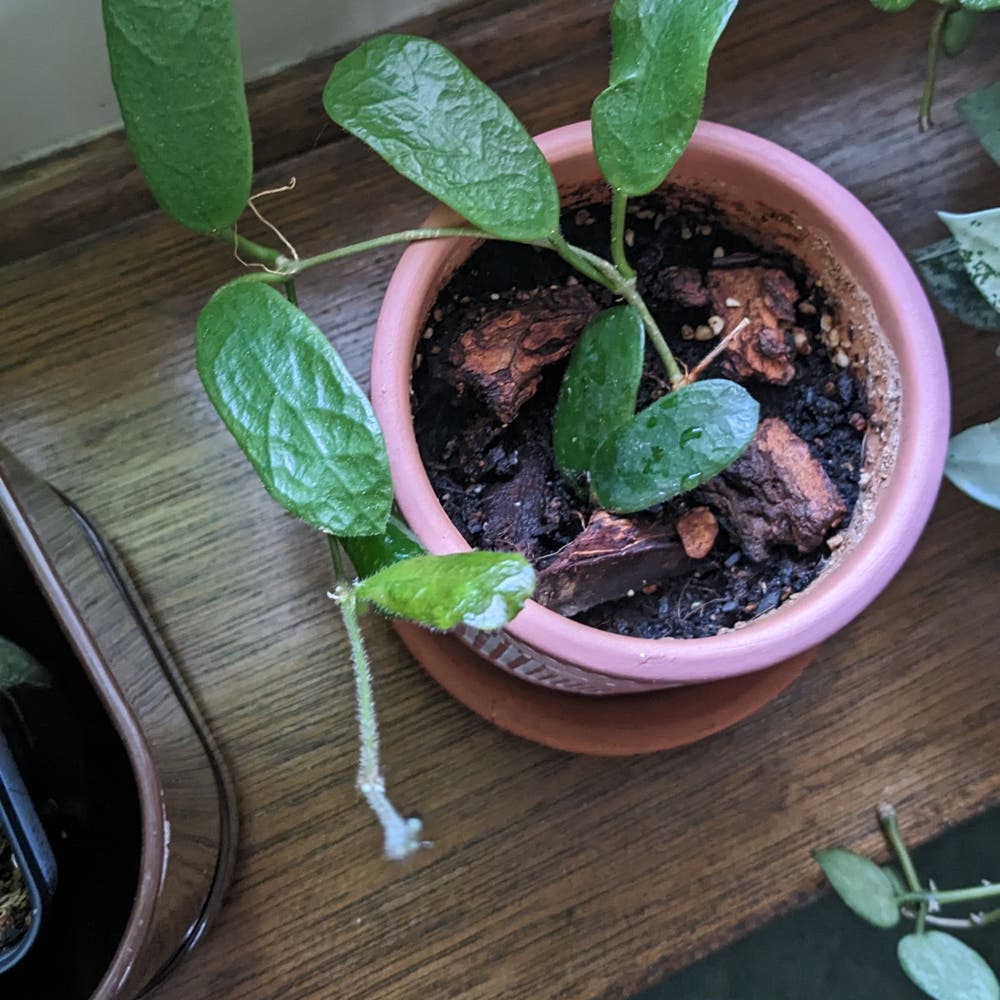
4 Tips for Healthy Round-leaved Hoya Roots 🥕
Hoya rotundiflora
By the Greg Editorial Team
Sep 28, 2024•5 min read
This article was created with the help of AI so we can cover more plants for you. May contain errors. See one? Report it here.
Unlock vibrant growth for your Round-leaved Hoya 🌱 by mastering essential root care techniques for thriving plants!
- 🌱 Round-leaved Hoya roots are shallow yet wide-spreading, enhancing stability and nutrient uptake.
- 💧 Prevent root rot by using well-draining soil and watering only when top inch dries.
- 🌿 Healthy roots are firm and light-colored, indicating robust plant health and growth.
Characteristics of the Root System
Type and Specific Characteristics 🌱
The Round-leaved Hoya features a fibrous root system. This type is known for its efficient nutrient absorption and adaptability to various pot sizes, making it a resilient choice for plant enthusiasts.
These roots are shallow yet wide-spreading, enhancing both stability and nutrient uptake. However, they are sensitive to overwatering, which means well-draining soil is essential for their health.
Importance of Well-Draining Soil 💧
To keep your Hoya thriving, prioritize soil that allows excess water to escape. This will help prevent root rot, a common issue for plants with such root characteristics.
Understanding these traits can significantly improve your care routine. By ensuring proper conditions, you set the stage for a robust and vibrant plant.
Next, let’s explore the root depth, spread, and growth patterns to further enhance your knowledge of Round-leaved Hoya care.
Root Depth, Spread, and Growth Patterns
🌱 Root Depth and Spread
The Round-leaved Hoya features a relatively shallow root system, typically extending within the top 6-12 inches of soil. This shallow depth allows for efficient nutrient absorption while enabling the roots to spread widely, making the plant adaptable to various pot sizes.
📈 Growth Patterns
During the growing season, which spans spring and summer, the roots of the Round-leaved Hoya grow rapidly. However, as the seasons shift to fall and winter, growth slows down significantly, necessitating adjustments in care to ensure the plant remains healthy.
Understanding these growth patterns is crucial for providing the right care throughout the year. By recognizing the seasonal changes, you can better support your plant's needs and promote robust root health.
As we delve deeper into caring for your Hoya, the next section will cover essential watering, fertilizing, and transplanting techniques.
Watering, Fertilizing, and Transplanting
Watering Needs 💧
Watering your Round-leaved Hoya is crucial for its health. Allow the top inch of soil to dry out between waterings to prevent overwatering.
Signs of overwatering include yellowing leaves, wilting, and root rot. Keep an eye out for these symptoms to ensure your plant thrives.
Fertilization Techniques 🌱
Using balanced NPK fertilizers during the growing season is recommended. This helps provide essential nutrients for robust growth.
Feed your plant monthly while it's actively growing, but reduce the frequency during dormant months. This simple adjustment can make a significant difference.
Transplanting Best Practices 🌼
Transplanting is best done in spring when your Hoya is actively growing. This timing allows for a smoother transition and less stress on the plant.
When selecting a new pot, choose one that is 1-2 inches larger in diameter than the current one. This gives the roots room to expand without overwhelming the plant.
Understanding these watering, fertilizing, and transplanting practices will set you on the path to a flourishing Round-leaved Hoya. Next, let’s explore common root-related issues that can arise and how to tackle them effectively.
Common Root-Related Issues
🕵️ Identifying and Solving Root Problems
Root rot can be a sneaky issue for Round-leaved Hoyas. Look for signs like wilting, yellowing leaves, and mushy roots, which indicate your plant is in distress.
The primary culprits behind root rot are overwatering and poor drainage. Ensuring your plant has the right conditions can save it from this fate.
🌱 Recognizing Root-Bound Plants
Is your Hoya struggling to thrive? Check for roots growing out of drainage holes or circling the pot. These are clear indicators that your plant is root-bound.
To remedy this, consider repotting into a larger container. Gently loosen the roots during the process to encourage healthy growth.
🛡️ Preventative Measures for Root Health
A well-draining soil mix is crucial for maintaining root health. Opt for a blend that allows excess water to escape while retaining some moisture.
Regular monitoring is key. Keep an eye on moisture levels and root health indicators to catch any issues before they escalate.
By staying proactive, you can ensure your Round-leaved Hoya remains vibrant and healthy, setting the stage for successful growth and propagation.
Indicators of Root Health
👀 Visual Cues of Healthy vs. Unhealthy Roots
Healthy roots are a gardener's dream. They should feel firm and display a white or light tan color, signaling vitality and proper function.
In contrast, unhealthy roots tell a different story. If you notice dark, mushy roots accompanied by a foul odor, it's a clear indication of rot that needs immediate attention.
📊 Other Indicators of Root Health
Plant growth is another vital sign. Vigorous growth and lush foliage are strong indicators that your roots are thriving.
Additionally, leaf color plays a crucial role. Bright green leaves suggest good root health, while yellowing leaves may signal underlying issues that require your attention.
By keeping an eye on these indicators, you can ensure your Round-leaved Hoya remains healthy and vibrant.
Next, let’s explore propagation and division techniques to further enhance your plant care journey.
Propagation and Division
Importance of Root Health in Propagation 🌱
Healthy roots are crucial for successful propagation. They ensure that cuttings can establish well and thrive in their new environment.
Step-by-Step Guide to Dividing Round-leaved Hoya ✂️
Timing: The best time to divide your Round-leaved Hoya is in spring, during its active growth phase.
Tools: Use clean, sharp scissors or pruning shears to prevent any potential infections.
Division Process:
- Gently remove the plant from its pot, taking care not to damage the roots.
- Separate the root ball into sections, ensuring each section has both roots and leaves.
- Replant each section in suitable soil and water lightly to help them settle in.
Post-Division Care: After dividing, monitor moisture levels closely. Avoid overwatering to prevent root rot.
By following these steps, you can successfully propagate your Round-leaved Hoya and enjoy more of these beautiful plants in your home. Healthy roots lead to thriving plants, so give them the care they deserve!
Next, let’s explore common root-related issues and how to tackle them effectively.
⚠️ Safety First
This content is for general information and may contain errors, omissions, or outdated details. It is not medical, veterinary advice, or an endorsement of therapeutic claims.
Always consult a qualified healthcare professional before using any plant as food, medicine, or supplement.
Never eat any plant (or feed one to pets) without confirming its identity with at least two trusted sources.
If you suspect poisoning, call Poison Control (800) 222-1222, the Pet Poison Helpline (800) 213-6680, or your local emergency service immediately.
Spotted an error? Please report it here.
Nurture your Round-leaved Hoya's roots for vibrant growth 🌿 by using Greg's tailored watering alerts and nutrient tips to keep them healthy and thriving!