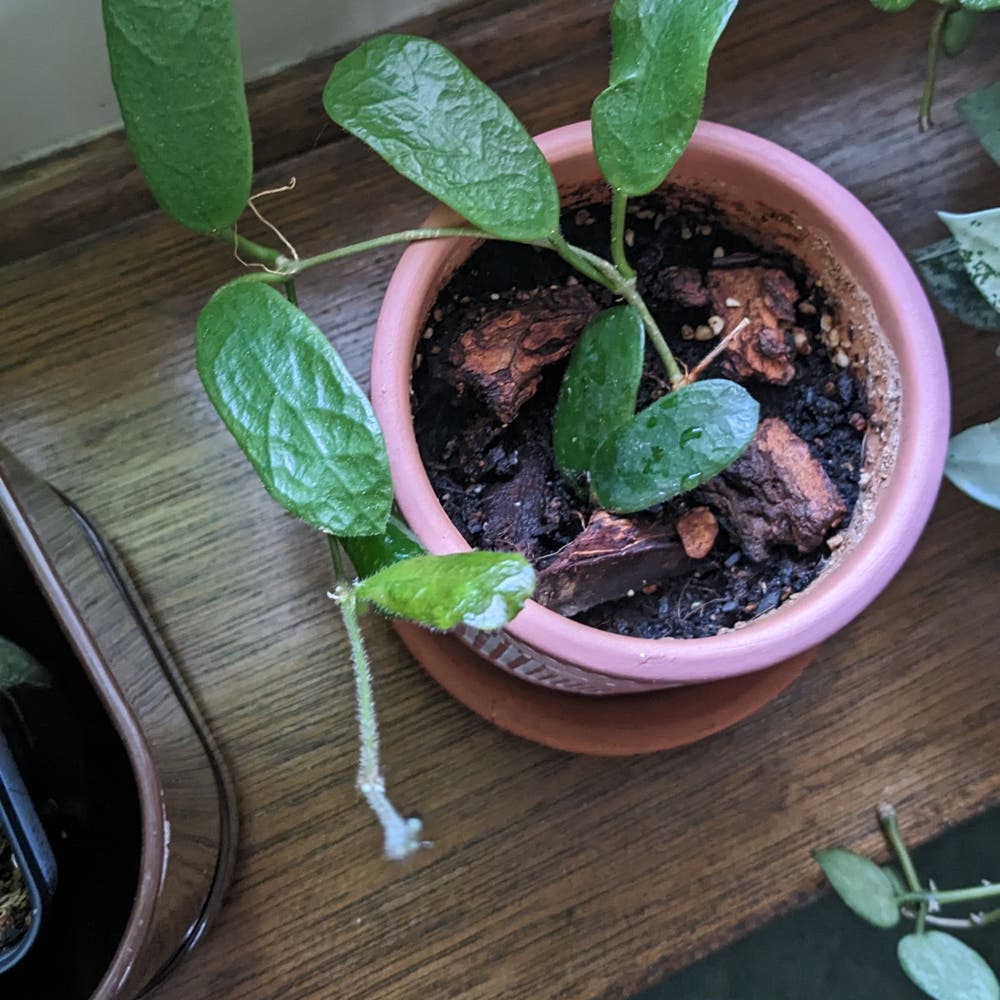
Why Is My Hoya rotundiflora Dropping Leaves?
Hoya rotundiflora
By the Greg Editorial Team
Jun 18, 2024•6 min read
This article was created with the help of AI so we can cover more plants for you. May contain errors. See one? Report it here.
Prevent leaf loss and ensure your Hoya thrives with these essential care tips 🍃—because every leaf counts!
- 💧 Wrinkled, yellow leaves? Time to water, but don't overdo it.
- 🌡️ Keep temperatures stable between 60-80°F and humidity at 40-60%.
- 🌿 Bright, indirect light and good air circulation are key for Hoya health.
When Thirst Goes Unquenched: Underwatering Woes
🚰 Spotting the Signs of Thirst
Wrinkled leaves on your Hoya rotundiflora? That's the plant's way of crying out for a drink. When the foliage droops or feels less plump than usual, it's time to consider watering. Yellowing leaves can also signal distress, indicating that your Hoya is more than just a little thirsty.
💧 Hydrating Your Hoya Properly
To properly quench your Hoya's thirst, avoid drenching it like a monsoon. Instead, aim for a thorough soak, allowing water to run through the pot until the soil is moist. Then, let it be. Your Hoya's roots should sip, not swim. Water again only when the top inch of soil feels dry to the touch.
💦 Watering Frequency and Soil Type
Finding the right balance between watering frequency and soil type is crucial. Your Hoya rotundiflora prefers to dry out almost completely before the next watering. Use a well-draining soil mix to prevent soggy conditions that can lead to root rot. Remember, a Hoya is more camel than fish; it's built to withstand dry spells.

Drowning in Love: The Perils of Overwatering
💦 Spotting the Symptoms of Overwatered Hoya rotundiflora
Yellow leaves and mushy stems near the soil scream overwatering. If your Hoya's pot feels like a bog and smells mustier than a damp basement, it's time to intervene. Soggy soil is a red flag; your Hoya isn't auditioning for a role in a swamp.
🚑 Steps to Rescue an Overwatered Plant
First, halt all watering—give your Hoya a break from the drink. Check if the pot's drainage is more clogged than city traffic; clear it up. If the roots are brown and smell worse than forgotten leftovers, it's time for surgery: trim the rot, and repot with fresh, well-draining soil. Sanitize the pot to avoid a repeat performance.
💧 Best Practices for Watering Routines
To prevent aquatic aspirations, water only when the top inch of soil is dry. Use a pot that breathes like a terracotta one, and ensure it's got holes bigger than pinpricks. Adjust your watering with the seasons; your Hoya's thirst wanes in winter. Remember, consistency is key—your Hoya craves routine, not a flood.

Feeling the Heat: Temperature and Environmental Stress
🌡️ Ideal Temperature Range
Hoya rotundiflora thrives in a temperature sweet spot, preferring the warmth of 60-80°F (15-27°C). Straying too far from this cozy bracket can trigger a leaf-dropping tantrum.
🛡️ Mitigating Temperature Fluctuations
To prevent your Hoya from going into a full-blown meltdown, monitor temperature changes. Use a thermometer as your sidekick in this quest for stability. It's all about avoiding those sneaky drafts and the scorching spots near heaters or ovens.
🏠 Creating a Stable Environment
Consistency is your mantra here. Aim to maintain a steady climate within the preferred temperature range. If you're dealing with a heatwave or a cold snap, think about insulation tricks or gentle heat sources. Just remember, no direct blasts of hot air—your Hoya isn't looking to bake in an oven.
💧 Humidity: The Invisible Companion
Warm air loves moisture more than a sponge in water, so keep an eye on humidity levels, especially when temperatures dip. Your goal is to hit that 40-60% humidity sweet spot, creating a vibe that's more tropical paradise and less desert wasteland.
🌬️ The Ventilation Factor
Good air circulation can be a game-changer, especially during those sticky summer months. Use fans to keep the air moving, but avoid turning your Hoya's world into a wind tunnel. It's about a gentle breeze, not a hurricane simulation.
🌿 Long-Term Stability Strategies
For the long haul, your best bet is to keep tabs on the room's climate. Whether it's insulating during winter or drawing the curtains during a heatwave, your actions can make or break your Hoya's happiness. And if you're using grow lights, make sure they're not secretly cooking your plant. LED lights are cooler and might just be the upgrade you need.

Let There Be Light: Finding the Sweet Spot
💡 Determining the Right Light Conditions
Bright, indirect light is the mantra for Hoya rotundiflora. Like a plant's version of sunscreen, sheer curtains can shield against harsh rays. Observe your Hoya's response to its placement; leaves reaching out could signal a plea for more light.
💫 Adjusting Your Plant's Location and Light Exposure
Rotate your Hoya to avoid the botanical equivalent of a farmer's tan. As daylight hours shift with the seasons, so should your plant's position. It's a bit like rearranging furniture for the best TV viewing angle—except it's your plant's health on the line, not your Netflix binge.
🌞 The Role of Seasonal Changes in Light Management
Seasonal light changes aren't just a challenge for photographers. Your Hoya feels it too. When the sun plays hide-and-seek, be ready to act. Shorter days might call for a spot closer to the window, or even supplemental lighting—think of it as a plant's night light.
Battling Bugs and Fungus: Pest and Disease Management
🐛 Identifying and Dealing with Common Pests
Your Hoya rotundiflora might be under siege by tiny invaders. Mealybugs, aphids, and spider mites are the usual suspects. They're small but mighty, causing havoc on new growth and under leaves. Spot them early; look for telltale signs like sticky residue or webbing.
Blast them off with water or apply insecticidal soap. For a more nature-friendly approach, introduce predators like ladybugs to your indoor ecosystem. They're not just cute; they're carnivorous little warriors when it comes to pests.
🍄 Recognizing Signs of Fungal Infections and Root Rot
Fungi can be party poopers, causing brown spots with yellow halos or the dreaded powdery mildew. Root rot is another silent killer, often a result of overwatering. It's a nasty business, turning roots mushy and brown. Keep an eye out for wilting leaves or a plant that's just not thriving despite proper care.
Increase airflow and keep those leaves dry. If you spot trouble, remove affected parts and consider a fungicide. Remember, prevention is better than cure, so keep your Hoya's environment clean and well-ventilated.
🌿 Integrated Pest Management and Disease Prevention Strategies
Embrace Integrated Pest Management (IPM). It's like being a plant detective, always on the lookout for the first sign of trouble. Regular inspections are your best defense. Quarantine new plants to prevent an outbreak.
Water wisely; Hoya rotundiflora doesn't like wet feet. Overwatering is an open invite for pests. Ensure good airflow and avoid crowding your plants. They need their personal space, just like we do.
For the proactive plant parent, a light misting of neem oil can be a game-changer. It's like giving your Hoya a personal shield against bugs. And if you're up for it, systemic insecticides can offer long-term peace of mind. Just remember, moderation is key.
Act fast if pests make an appearance. Use rubbing alcohol for spot treatments. It's like sending in the special forces for a precision strike. Keep your Hoya happy, and you'll keep the bugs at bay.
⚠️ Safety First
This content is for general information and may contain errors, omissions, or outdated details. It is not medical, veterinary advice, or an endorsement of therapeutic claims.
Always consult a qualified healthcare professional before using any plant as food, medicine, or supplement.
Never eat any plant (or feed one to pets) without confirming its identity with at least two trusted sources.
If you suspect poisoning, call Poison Control (800) 222-1222, the Pet Poison Helpline (800) 213-6680, or your local emergency service immediately.
Spotted an error? Please report it here.
Prevent your Hoya rotundiflora from shedding tears (or leaves) by letting Greg orchestrate the perfect care routine 🌿, with reminders for watering, temperature monitoring, and seasonal light adjustments.