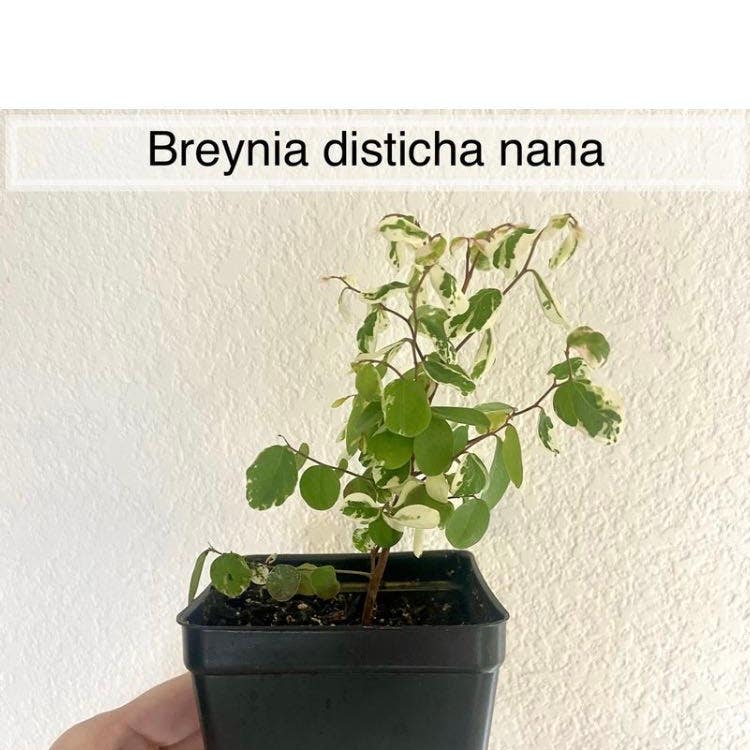
3 Ideal Locations to Plant Your Breynia 🥄
Breynia rhynchocarpa
By the Greg Editorial Team
Nov 26, 2024•4 min read
This article was created with the help of AI so we can cover more plants for you. May contain errors. See one? Report it here.
- 🌞 Breynia thrives in bright, indirect sunlight for 4-6 hours daily.
- 🌱 Well-draining soil is essential; aim for pH 6.0 to 7.0 for optimal growth.
- 🌬️ Protect Breynia from strong winds by planting near natural windbreaks.
Sunlight Exposure Requirements
Optimal Conditions 🌞
Breynia thrives in warm climates and prefers bright, indirect sunlight. For optimal growth, aim for 4-6 hours of filtered sunlight daily.
Shade Tolerance 🌳
This resilient plant can tolerate partial shade, making it a great choice for areas with dappled sunlight. If you notice stunted growth or faded foliage color, it may be a sign of insufficient light.
Assessing Sun Exposure in Your Garden 🔍
To ensure your Breynia gets the right amount of sunlight, observe the area throughout the day to note sun movement. For more precise measurements, consider using a sunlight meter to evaluate sunlight patterns effectively.
Understanding these sunlight exposure requirements will set your Breynia up for success. Next, let’s explore the soil type preferences that will further enhance its growth.
Soil Type Preferences
Ideal Soil Conditions 🌱
Breynia thrives in well-draining soil, which is crucial to prevent root rot. The best soil types for planting Breynia are loamy or sandy soils that provide good aeration.
Soil pH and Nutrient Requirements ⚗️
For optimal growth, aim for a soil pH range of 6.0 to 7.0. Incorporating organic matter, like compost, can significantly enhance soil fertility and improve drainage.
Soil Testing and Amendments 🧪
To ensure your soil meets Breynia's needs, conduct soil tests to check nutrient levels and pH. If necessary, amend your soil with compost or perlite to boost drainage and overall health.
Understanding these soil preferences will set the foundation for a thriving Breynia. Next, let’s explore how to assess the proximity of your Breynia to other plants and structures for optimal growth.
Proximity to Other Plants and Structures
🎨 Aesthetic Considerations
When planting Breynia, keep its height in mind. This plant can reach between 3 to 6 feet tall, so spacing is crucial to maintain visual balance in your garden.
To prevent overshadowing, aim for a distance of 2 to 3 feet away from taller plants. This spacing allows Breynia to shine without competing for sunlight.
🌱 Companion Planting
Choosing the right companions for Breynia can enhance your garden's overall health. Ideal partners include ferns and shade-tolerant flowers, which thrive in similar conditions.
Companion planting not only boosts biodiversity but also aids in pest control. By creating a diverse ecosystem, you can help your Breynia flourish while keeping unwanted pests at bay.
As you plan your garden layout, consider how Breynia interacts with its neighbors. Thoughtful placement can lead to a vibrant, thriving garden that showcases the beauty of each plant.
Next, let’s explore the importance of wind protection for your Breynia to ensure it grows strong and healthy.
Wind Protection Considerations
🌬️ Importance of Wind Protection
Breynia is particularly sensitive to strong winds. These gusts can damage its delicate foliage and stunt its growth, making wind protection essential for a thriving plant.
🛡️ Strategies for Wind Protection
To safeguard your Breynia, consider planting it near natural windbreaks like hedges or fences. These barriers can significantly reduce wind exposure and create a more stable environment for your plant.
Additionally, using garden structures such as trellises or screens can provide extra shielding from harsh winds. These solutions not only protect your Breynia but can also enhance the overall aesthetics of your garden.
By implementing these strategies, you can ensure your Breynia flourishes in a safe and supportive environment. Next, let’s explore the drainage needs of this beautiful plant to further enhance its growth potential.
Drainage Needs
Importance of Proper Drainage 🌊
Breynia is particularly sensitive to root rot, which can occur in overly saturated soil conditions. Ensuring proper drainage is crucial for the health and vitality of your plant.
Assessing Drainage in Planting Locations 🔍
To determine if your chosen planting spot has adequate drainage, check for standing water after heavy rain. If you notice water pooling, it's best to avoid that area.
Consider using raised beds or mounds if you're planting in low-lying regions. These strategies can significantly improve drainage and create a healthier environment for your Breynia.
By paying attention to drainage needs, you can help your Breynia flourish and thrive in your garden. Next, let’s explore how to protect your plants from wind damage, ensuring they remain healthy and robust.
⚠️ Safety First
This content is for general information and may contain errors, omissions, or outdated details. It is not medical, veterinary advice, or an endorsement of therapeutic claims.
Always consult a qualified healthcare professional before using any plant as food, medicine, or supplement.
Never eat any plant (or feed one to pets) without confirming its identity with at least two trusted sources.
If you suspect poisoning, call Poison Control (800) 222-1222, the Pet Poison Helpline (800) 213-6680, or your local emergency service immediately.
Spotted an error? Please report it here.
Unlock the secret to thriving Breynia 🌿 by using Greg's tailored care reminders and soil testing features to ensure your plant gets just the right amount of light and nutrients for success!