4 Key Phases of Breynia Development 🍃
Breynia rhynchocarpa
By the Greg Editorial Team
Nov 26, 2024•5 min read
This article was created with the help of AI so we can cover more plants for you. May contain errors. See one? Report it here.
- 🌱 Breynia germination takes 2-4 weeks; optimal conditions are key for success.
- 🌞 Seedlings thrive in bright, indirect light and need consistent moisture for healthy growth.
- 🌼 Breynia flowers self-pollinate, leading to seed production in 4-6 weeks post-flowering.
Germination Stage
Duration of Germination 🌱
Germination is a crucial phase for Breynia, typically taking 2 to 4 weeks. The speed of this process can be influenced by several factors, including temperature, moisture levels, and the quality of the seeds.
Conditions for Successful Germination 🌡️
To ensure successful germination, maintain an optimal temperature range of 20°C to 30°C (68°F to 86°F). The soil should be well-draining and moist, with a pH level between 6.0 and 7.0. Additionally, providing indirect sunlight helps prevent the seeds from drying out.
Notable Changes During Germination 🌿
As germination progresses, you'll notice the seed coat softening and splitting. This is followed by the emergence of the first root, known as the radicle, and the initial development of leaves called cotyledons. These changes mark the transition from seed to seedling, setting the stage for future growth.
With the germination stage complete, the Breynia is ready to enter the next phase of its life cycle: the seedling stage. This period is vital for establishing a strong foundation for the plant's development.
Seedling Stage
Duration of Seedling Growth 🌱
The seedling stage typically lasts between 4 to 8 weeks. During this time, the plant develops its true leaves, marking a significant transition in its growth.
Characteristics of Seedlings 🌿
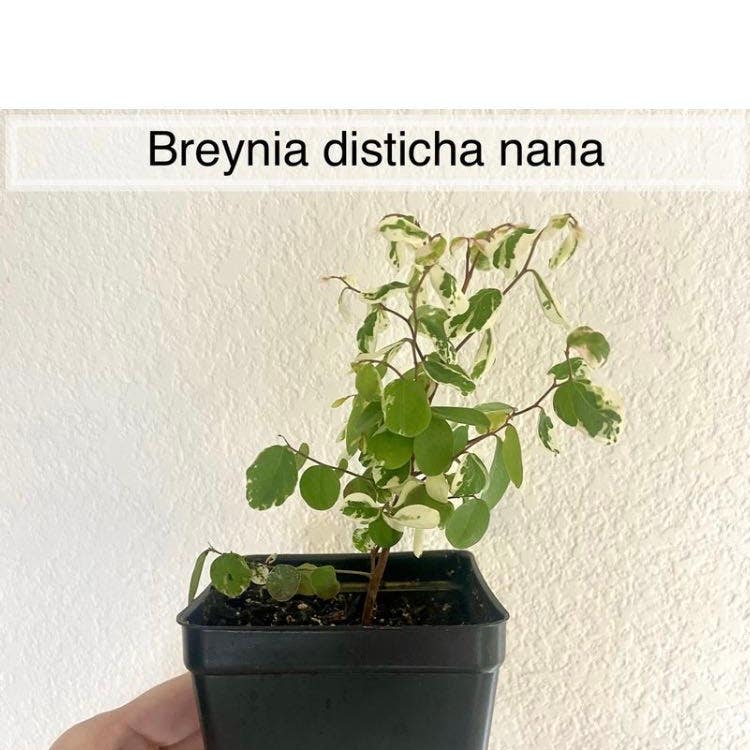
Seedlings usually reach a height of 5 to 15 cm and feature small, variegated leaves. These leaves are soft to the touch and display vibrant colors that may evolve as the plant matures.
Environmental Needs for Seedlings ☀️
To thrive, seedlings require bright, indirect light that promotes healthy growth.
- Water: It's crucial to maintain consistent moisture without waterlogging the soil.
- Nutrients: After about four weeks, light fertilization with a balanced NPK fertilizer will support their development.
By providing the right conditions, you can ensure your Breynia seedlings grow strong and healthy. This stage sets the foundation for the subsequent vegetative growth, where the plant will continue to flourish.
Vegetative Growth Stage
Duration of Vegetative Growth 🌱
The vegetative growth stage of Breynia typically lasts between 3 to 6 months. This duration can vary based on environmental conditions, so keep an eye on your plant's surroundings.
Growth Patterns and Characteristics 📈
During this stage, Breynia can reach impressive heights of up to 1 meter. You'll notice significant leaf development, with leaves becoming larger and denser, showcasing their striking variegation.
Nutritional and Environmental Requirements 🍽️
To thrive, Breynia needs rich, well-draining soil that contains organic matter. Regular watering is essential to maintain soil moisture, ensuring your plant stays healthy and vibrant.
Fertilization is also key; a monthly feeding with a balanced fertilizer will support rapid growth. This combination of nutrients and care will help your Breynia flourish during its vegetative phase.
As your plant progresses, you'll witness its transformation, setting the stage for the next exciting phase: flowering. Stay tuned to learn more about how Breynia transitions from vegetative growth to producing beautiful blooms!
Flowering Stage
Duration of Flowering 🌸
The flowering stage of Breynia typically lasts between 2 to 4 weeks. This brief period is crucial for the plant's reproductive cycle.
Characteristics of Flowers 🌼
Breynia produces small, inconspicuous flowers that are often white or pale yellow. These flowers are usually clustered in axillary positions, making them easy to overlook.
Pollination and Fertilization Process 🐝
Pollination in Breynia primarily occurs through self-pollination, although the flowers may attract small insects. Shortly after pollination, fertilization takes place, leading to the development of seeds.
This flowering stage is vital for the plant's lifecycle, setting the stage for the subsequent seed production phase. Understanding this process enhances our appreciation for the intricate journey of Breynia from seed to maturity.
Seed Production Stage
Duration of Seed Production 🌱
The seed production period for Breynia typically lasts between 4 to 6 weeks following the flowering stage. This timeframe is crucial as it marks the transition from blooming to the formation of seeds.
Characteristics of Seeds Produced 🌾
Breynia seeds are small, round, and dark-colored, making them easily recognizable. Under optimal conditions, these seeds boast a high germination rate, ensuring a successful new generation of plants.
Importance of Seed Production 🌍
Seed production plays a vital role in the reproductive cycle of Breynia. It not only ensures genetic diversity and propagation but also contributes significantly to the ecosystem by providing food for wildlife and aiding in plant dispersal.
Understanding the seed production stage is essential for anyone looking to cultivate Breynia successfully. As we move forward, let’s explore the growth rate and maturation of this fascinating plant.
Growth Rate and Maturation
How Long Until Breynia is Fully Grown? 🌱
Breynia typically reaches maturity in about 1 to 2 years when provided with optimal conditions. This timeframe allows the plant to develop its full potential, showcasing its vibrant foliage and unique characteristics.
Factors Affecting Growth Rate 🌡️
Several factors can influence the growth rate of Breynia.
- Environmental Conditions: Temperature, humidity, and light exposure play crucial roles in how quickly the plant grows.
- Soil Quality: Nutrient-rich, well-draining soil significantly promotes faster growth, ensuring the plant has the resources it needs.
Average Lifespan ⏳
Breynia plants generally have a lifespan of 5 to 10 years, depending on the care they receive and environmental factors. With proper attention, they can thrive and continue to bring beauty to your space for many years.
Notable Changes Throughout the Life Cycle 🔄
As Breynia matures, it undergoes several notable transformations.
- Leaf Color and Pattern Changes: The leaves may shift in color and pattern, adding visual interest.
- Increase in Height and Branching Structure: The plant can become bushier, enhancing its overall appearance.
- Transition from Vegetative Growth to Flowering and Seed Production: This progression marks the plant's journey through its life cycle, showcasing its ability to reproduce and contribute to the ecosystem.
Understanding these growth phases helps you appreciate the beauty and complexity of Breynia. As you nurture this plant, you'll witness its evolution, making the experience all the more rewarding.
⚠️ Safety First
This content is for general information and may contain errors, omissions, or outdated details. It is not medical, veterinary advice, or an endorsement of therapeutic claims.
Always consult a qualified healthcare professional before using any plant as food, medicine, or supplement.
Never eat any plant (or feed one to pets) without confirming its identity with at least two trusted sources.
If you suspect poisoning, call Poison Control (800) 222-1222, the Pet Poison Helpline (800) 213-6680, or your local emergency service immediately.
Spotted an error? Please report it here.
Master the growth journey of your Breynia 🌱 with Greg's tailored watering plans and care reminders, ensuring your plant flourishes from germination to maturity!