Understanding Why Breynia May Not Flower 🌸
Breynia rhynchocarpa
By the Greg Editorial Team
Nov 26, 2024•5 min read
This article was created with the help of AI so we can cover more plants for you. May contain errors. See one? Report it here.
- 🌞 Breynia needs 6-8 hours of bright, indirect sunlight daily to bloom.
- 🌱 Nutrient balance, especially phosphorus, is crucial for Breynia's flower development.
- 🌡️ Stable temperatures between 65°F to 85°F prevent flower drop and encourage blooming.
Failure to Bloom
🌼 Causes of Flowering Failure
Breynia plants can be quite temperamental when it comes to blooming. The most common culprits for their failure to flower include insufficient light, poor nutrition, and environmental stress.
Insufficient Light
Breynia requires adequate light for its optimal bloom cycle. Without 6-8 hours of bright, indirect sunlight daily, the plant may struggle to produce flowers.
Poor Nutrition
A lack of essential nutrients can hinder flower development. If your Breynia isn’t getting the right balance of nutrients, it may simply refuse to bloom.
Environmental Stress
Extreme temperatures or humidity levels can impact flowering. Stress from these environmental factors can lead to a lack of blooms, leaving your plant looking less vibrant.
🌱 Solutions to Encourage Blooming
Fortunately, there are several effective strategies to encourage your Breynia to bloom.
Adjusting Light Exposure
Ensure your Breynia receives 6-8 hours of bright, indirect sunlight daily. If natural light is limited, consider using grow lights to supplement.
Fertilization Tips
Using a balanced fertilizer high in phosphorus can significantly promote blooms. Look for fertilizers specifically designed for flowering plants to give your Breynia the boost it needs.
Stress Management
Monitor environmental conditions closely. Providing protection from extreme weather and maintaining stable temperatures can help your plant thrive and encourage blooming.
By addressing these factors, you can create an environment where your Breynia can flourish and produce beautiful flowers. Next, let’s explore the issue of premature flower drop and how to prevent it.
Premature Flower Drop
🧐 Causes of Premature Flower Drop
Premature flower drop in Breynia can be frustrating for any plant enthusiast. One of the primary culprits is overwatering, which creates excess moisture that can lead to root rot and ultimately cause buds to drop.
Another significant factor is temperature fluctuations. Sudden changes in temperature can stress the plant, making it more susceptible to dropping its flowers. Additionally, pest infestations can weaken the plant's overall health, resulting in flower drop as the plant struggles to survive.
🛠️ Solutions to Prevent Premature Flower Drop
To combat premature flower drop, start with proper watering techniques. Allow the top inch of soil to dry out between waterings to prevent excess moisture from accumulating.
Next, focus on maintaining stable temperatures. Ideally, keep Breynia in a consistent environment, ranging from 65°F to 85°F (18°C to 29°C), to minimize stress.
Lastly, implement effective pest control methods. Regularly inspect your plant for pests and consider using insecticidal soap or neem oil as needed to protect your Breynia from infestations.
By addressing these factors, you can help ensure your Breynia thrives and produces beautiful blooms. Next, let's explore the causes of abnormal flower development and how to encourage healthy flowers.
Abnormal Flower Development
🌱 Causes of Abnormal Flower Development
Abnormal flower development in Breynia can stem from several key issues. Nutrient deficiencies are a primary culprit; without essential nutrients, flowers may become malformed or fail to develop properly.
Improper pruning also plays a significant role. If pruning is done incorrectly, it can disrupt the plant's natural bloom cycle, leading to fewer or poorly formed flowers. Additionally, diseases caused by fungal or bacterial infections can severely impact flower quality, causing them to wilt or drop prematurely.
🌼 Solutions for Healthy Flower Development
To encourage healthy flower development, start with soil testing for nutrients. Regularly testing your soil ensures that nutrient levels are adequate, allowing your Breynia to thrive.
Next, focus on correct pruning techniques. Prune your plant after flowering to promote new growth and encourage future blooms. This simple practice can make a big difference in the overall health of your plant.
Lastly, implement effective disease management strategies. Preventive measures, such as maintaining good air circulation and promptly treating any infections, will help keep your Breynia healthy and blooming beautifully.
By addressing these factors, you can significantly improve the flowering potential of your Breynia. With the right care, your plant can produce stunning blooms that enhance your space.
As we move forward, let's explore how light conditions can further impact flowering in Breynia.
Impact of Light on Flowering
🌟 Importance of Light Quality and Quantity
Breynia plants flourish in bright, indirect light. When they don't receive enough light, their ability to bloom suffers significantly.
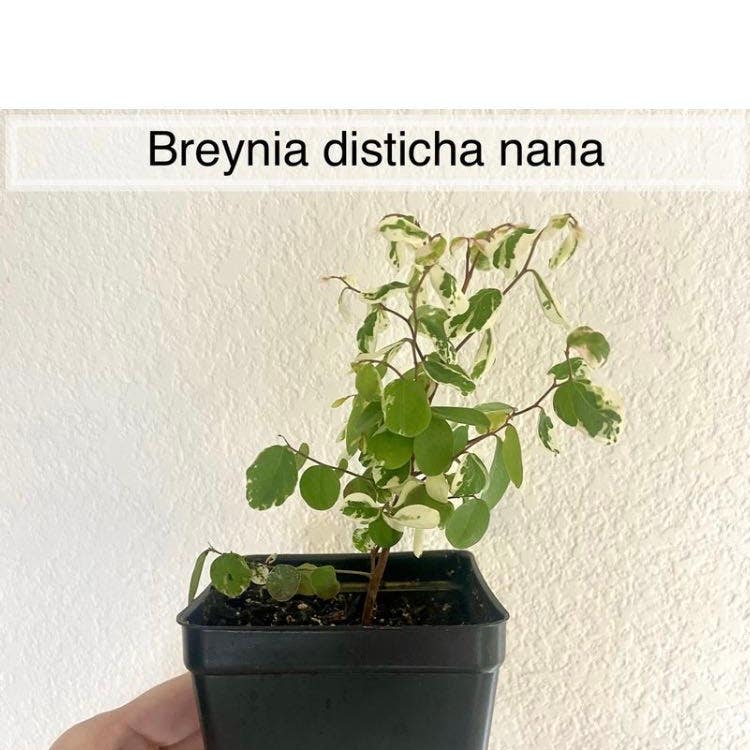
Variegated leaves can complicate this further. They may absorb light differently, which can impact the overall health of the plant and its blooming potential.
💡 Adjusting Light Conditions for Optimal Blooming
To optimize light conditions, consider using sheer curtains. These can diffuse harsh sunlight while still allowing plenty of brightness to reach your Breynia.
Additionally, rotating the plant periodically is crucial. This ensures that all sides receive even light exposure, promoting balanced growth and enhancing blooming opportunities.
With the right light adjustments, your Breynia can thrive and produce beautiful blooms. Next, let’s explore how nutritional factors play a vital role in flowering success.
Nutritional Factors Affecting Flowering
🌸 Essential Nutrients for Flower Development
Breynia plants thrive on a balanced diet of key nutrients. Nitrogen, phosphorus, and potassium are essential, with phosphorus playing a pivotal role in promoting vibrant blooms.
Micronutrients like magnesium and iron also contribute significantly to flower health. These elements support overall plant vigor and enhance the quality of the flowers produced.
📅 Fertilization Schedule and Techniques
To keep your Breynia blooming beautifully, fertilize every 4-6 weeks during the growing season. Opt for a bloom-boosting fertilizer that is rich in phosphorus to encourage robust flower development.
Consider using slow-release fertilizers for consistent nutrition. This approach ensures your plant receives a steady supply of nutrients, promoting healthy growth and stunning blooms throughout the season.
With the right nutrients and a thoughtful fertilization schedule, your Breynia can flourish and produce the beautiful flowers you desire. Next, let’s explore how light conditions can further enhance blooming potential.
⚠️ Safety First
This content is for general information and may contain errors, omissions, or outdated details. It is not medical, veterinary advice, or an endorsement of therapeutic claims.
Always consult a qualified healthcare professional before using any plant as food, medicine, or supplement.
Never eat any plant (or feed one to pets) without confirming its identity with at least two trusted sources.
If you suspect poisoning, call Poison Control (800) 222-1222, the Pet Poison Helpline (800) 213-6680, or your local emergency service immediately.
Spotted an error? Please report it here.
Get your Breynia to bloom beautifully 🌺 by using Greg's tailored reminders for light and nutrients, ensuring your plant thrives with the right care!