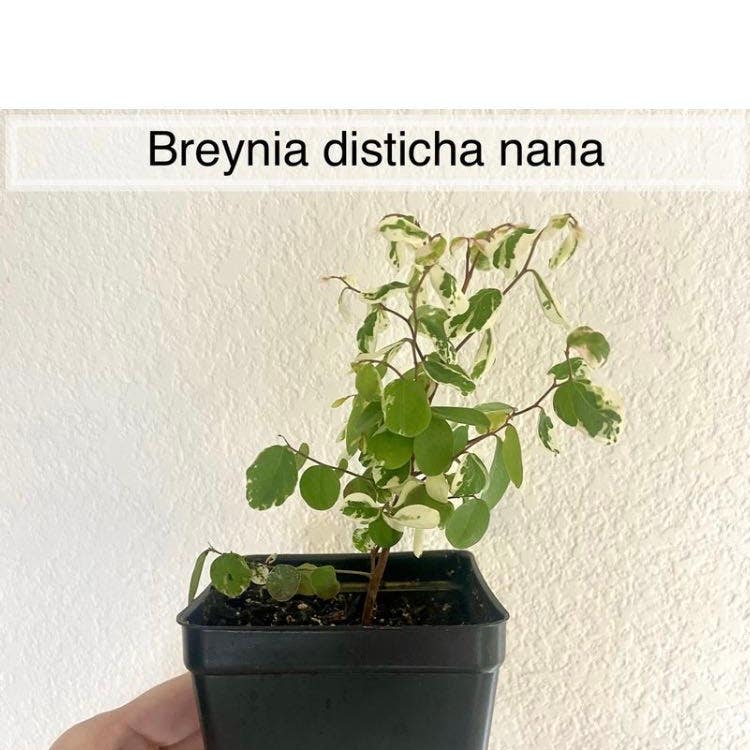
🍂 How to Fix Leaves Falling Over on Your Breynia
Breynia rhynchocarpa
By the Greg Editorial Team
Nov 26, 2024•5 min read
This article was created with the help of AI so we can cover more plants for you. May contain errors. See one? Report it here.
- 🌱 Drooping leaves signal distress; check light, humidity, and temperature immediately.
- 💧 Overwatering and underwatering both cause leaf issues; monitor soil moisture closely.
- 🐛 Pests and diseases can harm Breynia; early detection is key for recovery.
Causes of Leaf Droop
Symptoms of Unhealthy Leaves 🌿
Leaf droop is often the first sign that your Breynia is struggling. When leaves appear limp and hang downwards, it’s a clear indication that something is off.
Color changes can also signal distress. Look out for yellowing or browning at the edges of the leaves, which often suggests nutrient deficiencies or environmental stress.
Another symptom to watch for is leaf drop. If your plant is shedding leaves prematurely, it’s a strong indicator of stress that needs addressing.
Wilting is another concerning sign. Leaves that feel soft or mushy to the touch may indicate overwatering or root issues, both of which require immediate attention.
Understanding these symptoms is crucial for maintaining a healthy Breynia. By recognizing these early warning signs, you can take proactive steps to restore your plant’s vitality.
Next, let’s explore the environmental factors that can contribute to leaf droop.
Environmental Factors
Light Requirements 🌞
Breynia thrives in indirect sunlight for about 6-8 hours daily. If you notice stretched stems or pale leaves, it’s a sign your plant isn’t getting enough light.
To improve light conditions, consider moving your Breynia to a brighter spot or using sheer curtains to filter the sunlight. This adjustment can make a significant difference in your plant's health.
Ideal Humidity Levels 💧
Maintaining an optimal humidity range of 50% to 70% is crucial for your Breynia. If you observe leaf curling or browning tips, it could indicate that the air is too dry.
To boost humidity, try using a humidifier or placing pebble trays filled with water near your plant. These simple solutions can create a more favorable environment for your Breynia.
Temperature Considerations 🌡️
Your Breynia prefers a temperature range of 18°C to 24°C (65°F to 75°F). If you notice leaf drop or slowed growth, your plant may be experiencing temperature stress.
To maintain a stable temperature, keep your Breynia away from drafts and avoid sudden changes in temperature. This will help ensure your plant remains healthy and vibrant.
By addressing these environmental factors, you can significantly improve the health of your Breynia. Next, let’s explore the importance of proper watering practices to keep your plant thriving.
Watering Practices
🚰 Signs of Overwatering
Overwatering can be detrimental to your Breynia. Look for symptoms like yellowing leaves, root rot, and mushy stems, which indicate that your plant is drowning.
To check soil moisture, use a moisture meter or simply insert your finger about 1-2 inches deep into the soil. If it feels wet, hold off on watering.
💧 Signs of Underwatering
On the flip side, underwatering can also stress your plant. Symptoms include wilting leaves, dry soil, and crispy leaf edges, signaling that your Breynia is thirsty.
Make it a habit to water when the top inch of soil feels dry. This simple practice can keep your plant healthy and thriving.
🌊 Best Watering Practices
When you do water, ensure you do it thoroughly. Water until you see excess draining from the bottom of the pot, which helps saturate the roots.
Seasonal adjustments are also key. In winter months, reduce your watering frequency to prevent overwatering during the plant's dormant phase.
By mastering these watering practices, you can significantly improve the health of your Breynia and prevent those droopy leaves from becoming a recurring issue. Next, let’s explore how pest and disease management can further support your plant’s vitality.
Pest and Disease Management
🐜 Common Pests
Pests can wreak havoc on your Breynia, so it's essential to identify them early.
- Aphids: These small, green insects can cause significant leaf distortion, making your plant look unhealthy.
- Spider mites: Look for fine webbing and stippled leaves; these pests thrive in dry conditions.
To combat these pests, consider using insecticidal soap or neem oil. Both are effective and relatively safe for your plant.
🦠 Identifying Diseases
Diseases can also lead to drooping leaves and overall plant stress.
- Root rot: This condition manifests through wilting and mushy roots, often caused by overwatering.
- Fungal infections: Keep an eye out for leaf spots and blight, which can spread quickly if not addressed.
💊 Treatment Options
When it comes to treatment, there are several effective strategies to consider.
- Organic treatments: Neem oil and insecticidal soap are great options for tackling pests without harsh chemicals. Beneficial insects can also help maintain a healthy balance.
- Cultural practices: Improve air circulation around your plant and avoid overcrowding to minimize disease risk.
By staying vigilant about pests and diseases, you can keep your Breynia thriving. Next, let’s explore some preventive measures to ensure your plant remains healthy and vibrant.
Preventive Measures
Best Practices 🌱
Regular monitoring is key to keeping your Breynia healthy. Check the leaves and soil conditions weekly to catch any issues early.
Pruning is another essential practice. Remove dead or damaged leaves to promote healthy growth and improve the plant's overall appearance.
Seasonal Care Tips 🌸
As spring approaches, it's time to increase watering and fertilization. This helps support the plant's growth as it comes out of dormancy.
In winter, reduce watering and protect your Breynia from cold drafts. This will help prevent stress during the colder months.
Supporting Growth 🌿
Providing plant support can make a significant difference. Use stakes for taller varieties to prevent drooping and keep them upright.
Repotting every 1-2 years is also beneficial. This refreshes the soil and promotes root health, ensuring your plant continues to thrive.
By following these preventive measures, you can maintain a vibrant and healthy Breynia. Next, let's explore pest and disease management to keep your plant in top shape.
⚠️ Safety First
This content is for general information and may contain errors, omissions, or outdated details. It is not medical, veterinary advice, or an endorsement of therapeutic claims.
Always consult a qualified healthcare professional before using any plant as food, medicine, or supplement.
Never eat any plant (or feed one to pets) without confirming its identity with at least two trusted sources.
If you suspect poisoning, call Poison Control (800) 222-1222, the Pet Poison Helpline (800) 213-6680, or your local emergency service immediately.
Spotted an error? Please report it here.
Keep your Breynia thriving 🌱 by using Greg's tailored reminders for light, humidity, and watering, ensuring those droopy leaves are a thing of the past!