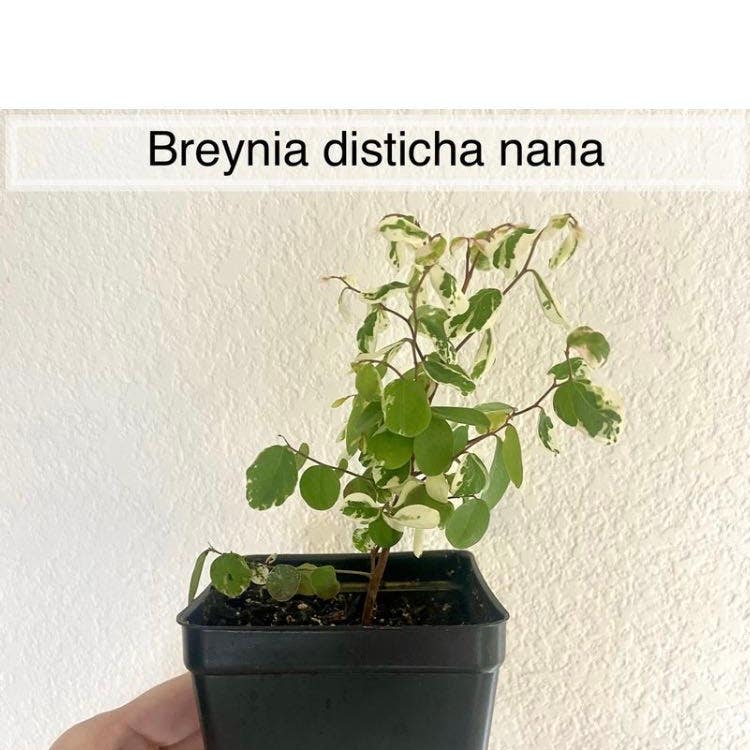
Best Humidity Levels for Breynia 💧
Breynia rhynchocarpa
By the Greg Editorial Team
Nov 26, 2024•5 min read
This article was created with the help of AI so we can cover more plants for you. May contain errors. See one? Report it here.
- 🌬️ Breynia thrives at 50-70% humidity; adjust for optimal health.
- 🚫 Low humidity causes leaf browning and drop; monitor levels closely.
- 🌧️ High humidity risks mold and root rot; ensure proper ventilation.
Ideal Humidity Levels for Breynia
Optimal Humidity Range 🌧️
For Breynia to thrive, aim for relative humidity levels between 50% and 70%. This range supports optimal growth, ensuring your plant remains lush and vibrant.
Effects of Low Humidity 😟
When humidity dips below the ideal range, Breynia can show distress. Symptoms like leaf browning, curling, and potential leaf drop are common, signaling that your plant is struggling.
Long-term exposure to low humidity can lead to stunted growth and make Breynia more susceptible to pests. Keeping an eye on humidity levels is crucial for maintaining plant health.
Effects of High Humidity 🌫️
Conversely, high humidity can create its own set of challenges for Breynia. You might notice symptoms such as fungal issues, mold growth, and even root rot if conditions remain too damp.
Over time, excessive humidity can weaken the plant's structure and reduce its overall vigor. Striking the right balance is essential for a thriving Breynia.
Understanding these humidity dynamics is key to nurturing your plant effectively. Next, let’s explore how to assess local humidity levels to create the perfect environment for your Breynia.
Local Humidity Considerations
🌧️ Assessing Local Humidity Levels
Understanding your local humidity is crucial for creating the perfect environment for your Breynia. By knowing the humidity levels, you can make informed adjustments to ensure your plant thrives.
To assess humidity, consider using a hygrometer, a handy tool that measures moisture in the air. Alternatively, you can check local weather data, which often includes humidity percentages.
🌦️ Seasonal Humidity Variations
Humidity levels can fluctuate significantly with the seasons. During winter months, indoor humidity typically drops, which can stress your Breynia if not addressed.
In contrast, summer months may bring higher humidity levels. While this can benefit your plant, it’s essential to monitor conditions closely to prevent excessive moisture, which can lead to problems like mold or root rot.
By staying aware of these seasonal changes, you can better manage your Breynia's environment and promote its health and growth.
Strategies for Boosting Humidity
🌬️ Using Humidifiers
Humidifiers are a fantastic way to maintain the ideal humidity levels for your Breynia. You can choose between cool mist and warm mist humidifiers, each offering unique benefits for your plants.
Place the humidifier near your Breynia to ensure it receives the moisture it craves. This strategic positioning maximizes effectiveness and helps create a comfortable microenvironment.
🌱 Grouping Plants
Clustering your plants together can significantly boost humidity levels. When grouped, they create a mini-ecosystem that retains moisture better than isolated plants.
Keep your plants close enough to benefit from each other's humidity but ensure there's adequate airflow. This balance prevents mold growth while enhancing the overall health of your greenery.
🪨 Pebble Trays
Creating a pebble tray is a simple yet effective method to increase humidity. Fill a shallow tray with pebbles and add water, then place your plant pot on top, allowing it to benefit from the evaporating moisture.
To keep the humidity levels consistent, remember to regularly refill the water. This low-maintenance solution can make a noticeable difference in your plant's environment.
💦 Misting Techniques
Misting your Breynia can provide an immediate boost in humidity. The best times to mist are early morning or late afternoon when the temperatures are cooler.
However, be cautious not to over-mist, as this can lead to fungal issues. A light misting will refresh your plant without creating an overly damp environment.
These strategies can help you create the perfect humidity levels for your Breynia, ensuring it thrives in your care. Next, let’s explore how to reduce humidity when it becomes excessive.
Strategies for Reducing Humidity
🌬️ Ventilation Methods
Airflow is crucial for maintaining a healthy environment for your Breynia. Proper ventilation helps prevent mold and mildew, which can wreak havoc on your plants.
To enhance airflow, consider opening windows, using fans, or creating cross-ventilation. These techniques allow fresh air to circulate, reducing humidity levels effectively.
🪴 Choosing the Right Potting Mix
Selecting a well-draining potting mix is essential for preventing excess moisture retention. A suitable mix will help your Breynia thrive without the risk of root rot.
Look for ingredients like perlite, orchid bark, and peat moss. These components promote optimal drainage, ensuring your plant's roots stay healthy and dry.
🚨 Signs of Excessive Humidity
Recognizing the symptoms of excessive humidity is key to maintaining your plant's health. Look out for mold on the soil surface, yellowing leaves, and musty odors.
If you notice these signs, it's time to take action. Increase ventilation, reduce watering, and consider adjusting your potting mix to restore balance.
By implementing these strategies, you can create a more suitable environment for your Breynia, ensuring it remains vibrant and healthy. Next, let's explore common humidity-related problems and how to tackle them effectively.
Common Humidity-Related Problems
🌧️ Identifying Humidity Stress
Humidity stress can manifest in several ways. Look out for signs like leaf drop, browning tips, and wilting, which indicate your Breynia may be struggling.
Regular monitoring is essential for maintaining plant health. Keep an eye on humidity levels and observe your plant's condition to catch any issues early.
🦠 Solutions for Humidity-Related Pests and Diseases
Humidity imbalances can attract pests like fungus gnats and spider mites. These nuisances thrive in environments that are either too humid or too dry.
To combat these pests, consider using neem oil or insecticidal soap. Additionally, maintaining proper humidity levels can help deter these unwanted guests.
🛠️ Recovery Strategies After Humidity Issues
If your Breynia has suffered from humidity-related problems, take a few steps to help it recover. Gradually adjust humidity levels to create a more suitable environment, and remove any affected leaves to promote healing.
Patience is key during this recovery period. Allow your plant time to stabilize and regain its vigor, ensuring it thrives in the long run.
As you navigate these challenges, remember that understanding your plant's needs is crucial for its health and happiness. Next, let’s explore strategies for boosting humidity to keep your Breynia thriving.
⚠️ Safety First
This content is for general information and may contain errors, omissions, or outdated details. It is not medical, veterinary advice, or an endorsement of therapeutic claims.
Always consult a qualified healthcare professional before using any plant as food, medicine, or supplement.
Never eat any plant (or feed one to pets) without confirming its identity with at least two trusted sources.
If you suspect poisoning, call Poison Control (800) 222-1222, the Pet Poison Helpline (800) 213-6680, or your local emergency service immediately.
Spotted an error? Please report it here.
Keep your Breynia thriving 🌿 by using Greg's tailored reminders to maintain the perfect humidity levels for its happiness and health!