Identifying What is Eating Your Breynia 🐛
Breynia rhynchocarpa
By the Greg Editorial Team
Nov 26, 2024•6 min read
This article was created with the help of AI so we can cover more plants for you. May contain errors. See one? Report it here.
- 🌱 Breynia attracts herbivores like deer, rabbits, and squirrels due to its nutritious leaves.
- 🦌 Deterrents like repellents and fencing can protect Breynia from common animal threats.
- 🔍 Regular monitoring is crucial for early detection of herbivore damage to Breynia.
Appearance and Appeal of Breynia
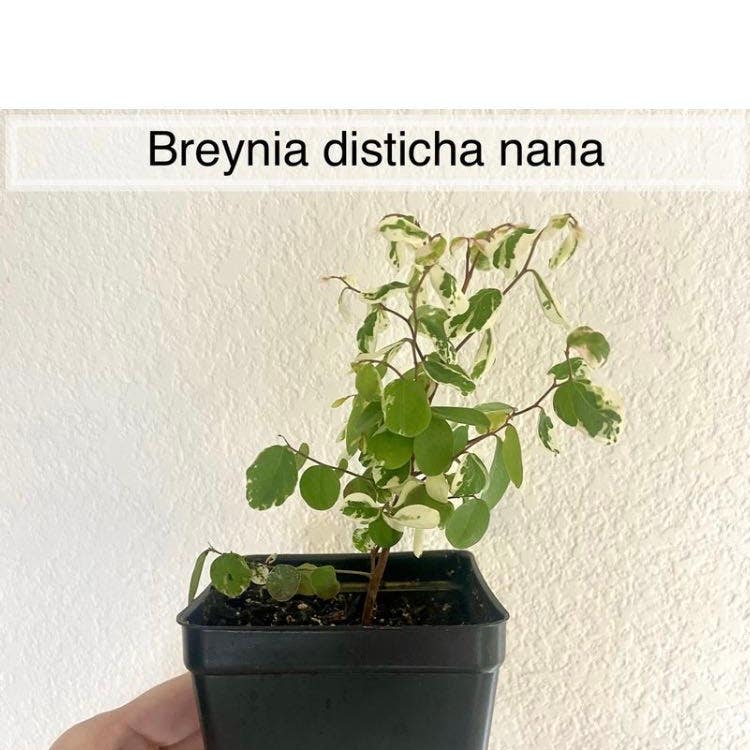
Breynia is a striking plant, typically reaching heights of 3 to 6 feet. Its glossy, oval leaves boast a vibrant green color that catches the eye, while its small, round fruits often display a delightful mix of red and purple hues.
🐾 What Attracts Animals to Breynia?
Several parts of Breynia are particularly appealing to herbivores. Young shoots are tender and packed with nutrients, making them a favorite snack. The leaves, rich in moisture and nutrients, also attract various animals looking for a refreshing meal.
Lastly, the fruits are sweet and enticing, drawing in a variety of herbivores eager for a tasty treat. This combination of appealing features makes Breynia a target for many hungry critters in the garden.
Understanding these characteristics can help gardeners anticipate which animals might be drawn to their Breynia plants. By recognizing what attracts these herbivores, you can take proactive steps to protect your plants from potential damage.
Common Herbivores Affecting Breynia
🦌 Deer
Signs of presence and damage caused
Deer are often the first culprits when it comes to Breynia damage. Look for hoof prints in muddy areas nearby and notice how leaves and young shoots are stripped clean.
Beneficial vs. harmful interaction
While deer can be a beautiful sight in nature, their impact on Breynia is generally harmful. Without management, they can decimate populations, leaving your plants vulnerable.
Deterrent methods
To keep deer at bay, consider using commercial deer repellents. Alternatively, you can plant deer-resistant companion plants or even scatter human hair or soap shavings around your Breynia.
🐇 Rabbits
Signs of presence and damage caused
Rabbits leave their mark with small, round droppings near the base of Breynia. You might also notice clean cuts on leaves and stems, indicating their nibbling habits.
Beneficial vs. harmful interaction
Rabbits are generally harmful to Breynia, as they can cause significant damage. Their appetite for tender shoots can quickly lead to a decline in plant health.
Deterrent methods
For easy deterrence, use bitter-tasting sprays to make Breynia less appealing. Fencing at least 2 feet high or sprinkling cayenne pepper can also help keep these furry friends away.
🐿️ Squirrels
Signs of presence and damage caused
Squirrels can be quite the nuisance, leaving chewed bark and missing fruits in their wake. You may also find twigs and leaves taken from Breynia for their nests.
Beneficial vs. harmful interaction
While squirrels can be entertaining, their interactions are generally harmful. They can damage both the foliage and fruits, impacting the plant's overall health.
Deterrent methods
To deter squirrels, consider using commercial squirrel repellents. Installing squirrel-proof bird feeders and employing noise deterrents can also help protect your Breynia.
🐦 Birds
Signs of presence and damage caused
Birds can be both friends and foes. Look for peck marks on fruits and leaves, as well as signs of nesting activity in your Breynia.
Beneficial vs. harmful interaction
Birds have a mixed interaction with Breynia. Some may help control pests, while others can cause damage to fruits, making it essential to monitor their activity.
Deterrent methods
Non-toxic bird repellents can be effective in keeping unwanted birds away. Additionally, scare tactics like reflective tape or wind chimes can help protect your plants.
🐭 Rodents (mice, voles, etc.)
Signs of presence and damage caused
Rodents leave behind tunnels or burrows near the base of Breynia. You may also spot gnaw marks on stems and roots, indicating their presence.
Beneficial vs. harmful interaction
Rodents are generally harmful, as they can undermine the plant's root system. Their activities can lead to significant stress for your Breynia.
Deterrent methods
To combat rodents, consider using rodent bait stations. Trapping and natural repellents like peppermint oil can also be effective organic methods.
🦡 Groundhogs/Woodchucks
Signs of presence and damage caused
Groundhogs are easy to spot with their large burrows near Breynia. They can cause significant leaf and stem loss, often overnight, leaving your plants vulnerable.
Beneficial vs. harmful interaction
These critters are generally harmful and can severely damage or even kill your Breynia. Their appetite for foliage can lead to devastating consequences.
Deterrent methods
For groundhog deterrence, commercial repellents can be useful. Additionally, fencing at least 3 feet high and buried underground, along with castor oil, can help keep them away.
Understanding the common herbivores that affect Breynia is crucial for maintaining its health. By implementing effective deterrent methods, you can protect your plants and enjoy their beauty for years to come. Next, let's explore general protection strategies to safeguard your Breynia from these herbivores.
General Protection Strategies for Breynia
🛡️ Preventive Measures for Herbivore Damage
To protect your Breynia from herbivores, regular monitoring is essential. Keep an eye out for signs of animal activity, such as tracks or droppings, to catch potential issues early.
Another effective strategy is planting companion plants that deter herbivores. These plants can create a natural barrier, making your Breynia less appealing to hungry critters.
⚠️ Reactive Solutions for Managing Animal Interactions
When you notice damage, act quickly by removing the affected parts of the plant. This encourages new growth and helps your Breynia recover.
Additionally, apply deterrents as soon as you spot signs of damage. The sooner you act, the better your chances of keeping your plant healthy and thriving.
🌱 Seasonal Variations in Animal Attraction to Breynia
Be aware that animal activity tends to increase in spring and summer. During these seasons, young shoots and fruits become available, attracting more herbivores.
Understanding these seasonal behaviors can help you plan your protective measures effectively. By anticipating when animals are most likely to visit, you can take proactive steps to safeguard your Breynia.
Incorporating these strategies will not only protect your Breynia but also enhance your gardening experience. With the right approach, you can enjoy a flourishing plant while minimizing damage from herbivores.
Toxicity and Safety
Breynia is not just a pretty plant; it has some interesting compounds that can deter herbivores. These mild toxins can make it less appealing to certain animals, which is a natural defense mechanism.
However, this toxicity comes with a caveat. While some animals might steer clear of Breynia due to its unpalatable nature, others may still munch on it, risking their health.
It's crucial for gardeners to be aware of these effects. Educating yourself about how Breynia interacts with local wildlife can help you create a safer garden environment.
Understanding the balance between plant beauty and animal safety can lead to a thriving garden that respects both nature and aesthetics.
As you cultivate your Breynia, keep these considerations in mind to ensure a harmonious relationship with the wildlife around you.
Next, let’s explore some general protection strategies to safeguard your Breynia from herbivore damage.
🛡️ Protection Strategies
⚠️ Safety First
This content is for general information and may contain errors, omissions, or outdated details. It is not medical, veterinary advice, or an endorsement of therapeutic claims.
Always consult a qualified healthcare professional before using any plant as food, medicine, or supplement.
Never eat any plant (or feed one to pets) without confirming its identity with at least two trusted sources.
If you suspect poisoning, call Poison Control (800) 222-1222, the Pet Poison Helpline (800) 213-6680, or your local emergency service immediately.
Spotted an error? Please report it here.
Keep your Breynia thriving 🌿 by using Greg's tailored care tips and reminders to fend off pesky herbivores and enjoy a flourishing garden!