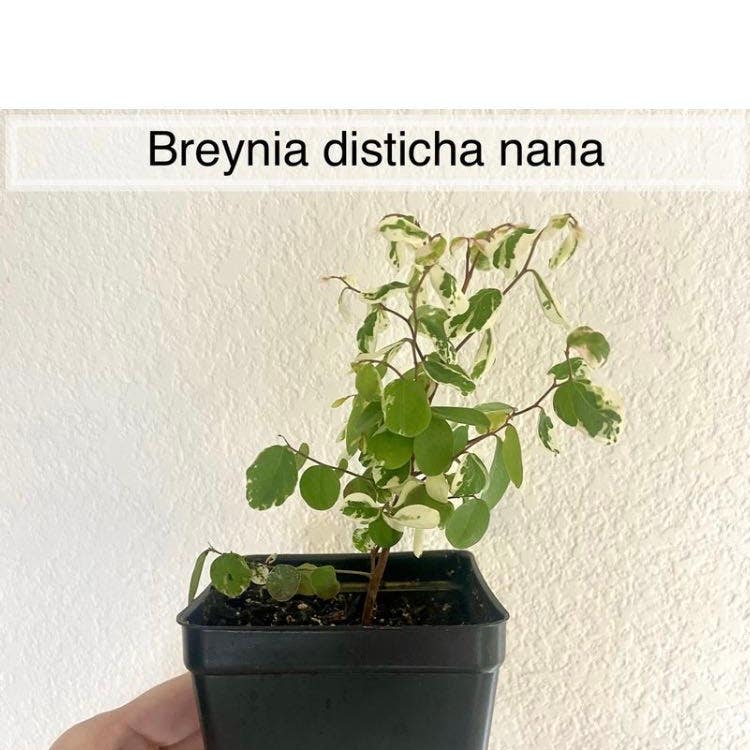
❄️ How to Prepare Your Breynia for Winter
Breynia rhynchocarpa
By the Greg Editorial Team
Nov 26, 2024•5 min read
This article was created with the help of AI so we can cover more plants for you. May contain errors. See one? Report it here.
- ❄️ Protect your Breynia from frost using frost cloth or burlap for insulation.
- 🌱 Reduce watering and fertilization during winter to prevent root rot and stress.
- 🌬️ Create windbreaks to shield your Breynia from harsh winter winds and frost damage.
Winter Care for Breynia
❄️ Frost Protection Methods
To protect your Breynia from frost, consider several effective techniques. Covering your plants with frost cloth or burlap can provide a crucial barrier against cold temperatures.
Using mulch is another excellent method to insulate the roots. Additionally, creating windbreaks with barriers can shield your plants from harsh winds that exacerbate frost damage.
Timing is essential when implementing these frost protection measures. Aim to cover your Breynia before the first frost hits, ensuring they are adequately protected throughout the winter months.
💧 Adjusting Watering Schedules During Winter
During winter, it's vital to reduce your watering frequency. This adjustment helps retain soil moisture while your Breynia goes dormant.
Watch for signs of overwatering, such as yellowing leaves or root rot. To maintain a healthy watering schedule, check the soil every 2-4 weeks, ensuring the top inch is dry before adding more water.
🌱 Modifying Fertilizing Practices in Winter
Fertilization should be minimized during the dormancy period. Your Breynia doesn't require as many nutrients when it's not actively growing.
Avoid fertilizing until spring growth resumes. If necessary, consider using slow-release or organic fertilizers to gently support your plant without overwhelming it.
🏠 Indoor Care for Breynia During Cold Months
If you plan to bring your Breynia indoors, ensure you provide the right conditions. The ideal indoor temperature range is between 60°F to 75°F (15°C to 24°C), and bright, indirect sunlight is crucial for their health.
Transitioning your Breynia indoors requires a few careful steps. Gradually acclimate the plant to indoor conditions over a week, inspect for pests before bringing it inside, and maintain humidity levels through misting or using pebble trays.
By following these winter care tips, you can help your Breynia thrive even in the cold months. Next, we’ll explore how to prepare your Breynia for spring growth and recovery from winter stress.
Spring Preparation and Recovery
🌨️ Signs of Winter Damage in Breynia
As winter fades, it's crucial to assess your Breynia for signs of stress. Look for wilting or drooping leaves, which can indicate that your plant has struggled through the cold months.
Browning edges or tips on leaves are also telltale signs of winter damage. Additionally, stunted growth or a lack of new shoots can signal that your Breynia needs some extra care to bounce back.
🌱 Steps for Recovery from Winter Stress
To help your Breynia recover, start with some initial care. First, prune away any damaged or dead foliage to encourage new growth.
Next, assess the soil health. If it seems depleted, amend it with organic matter to boost nutrients. Gradually reintroduce watering and fertilization, ensuring you don’t overwhelm the plant.
Keep an eye on recovery progress by watching for signs of new growth. This is a good indicator that your Breynia is on the mend.
🌼 Preparing Breynia for Spring Growth
Timing is everything when preparing your Breynia for spring. Start observing for growth as temperatures begin to rise, typically around late March to early April.
Once you notice signs of life, increase the watering frequency to match the warmer weather. It's also time to resume your regular fertilization schedule to support robust growth.
Lastly, don’t forget to check for pests and diseases as your plant awakens. Early detection can save your Breynia from potential setbacks.
With these steps, your Breynia will be well on its way to thriving in the spring. Next, we’ll explore common challenges and solutions to keep your plant healthy during the colder months.
Common Challenges and Solutions
🥶 Addressing Common Winter Problems for Breynia
Winter can be tough on your Breynia, leading to a few common issues. Understanding frost damage is crucial; look for symptoms like wilting leaves or browning edges.
To prevent frost damage, cover your plants with frost cloth or burlap when temperatures drop. Overwatering is another concern during winter dormancy, which can lead to root rot. Signs include yellowing leaves and mushy roots.
To correct overwatering, reduce your watering frequency and ensure the soil dries out between waterings. A good rule of thumb is to check the top inch of soil before deciding to water.
🐜 Solutions for Pests and Diseases During Winter
Pests can also be a problem for Breynia in winter. Aphids and spider mites are common culprits that can wreak havoc on your plants. Look for tiny insects or webbing on the leaves as indicators of an infestation.
To control these pests, consider using organic pesticides or insecticidal soap. Regular inspections are key; catching infestations early can save your plant from significant damage.
🌱 Best Practices for Maintaining Breynia Health in Winter
Maintaining Breynia health during winter involves consistent monitoring of environmental conditions. Keep an eye on temperature and humidity levels to ensure your plant remains comfortable.
Adjust your care routines based on how your Breynia responds to winter conditions. Patience is essential; plants may take time to show signs of recovery or growth during dormancy.
By staying observant and proactive, you can help your Breynia thrive even in the coldest months. As winter fades, you'll be ready to transition into spring care seamlessly.
⚠️ Safety First
This content is for general information and may contain errors, omissions, or outdated details. It is not medical, veterinary advice, or an endorsement of therapeutic claims.
Always consult a qualified healthcare professional before using any plant as food, medicine, or supplement.
Never eat any plant (or feed one to pets) without confirming its identity with at least two trusted sources.
If you suspect poisoning, call Poison Control (800) 222-1222, the Pet Poison Helpline (800) 213-6680, or your local emergency service immediately.
Spotted an error? Please report it here.
Keep your Breynia thriving this winter ❄️ with Greg's tailored reminders for frost protection and watering, ensuring it bounces back beautifully come spring!