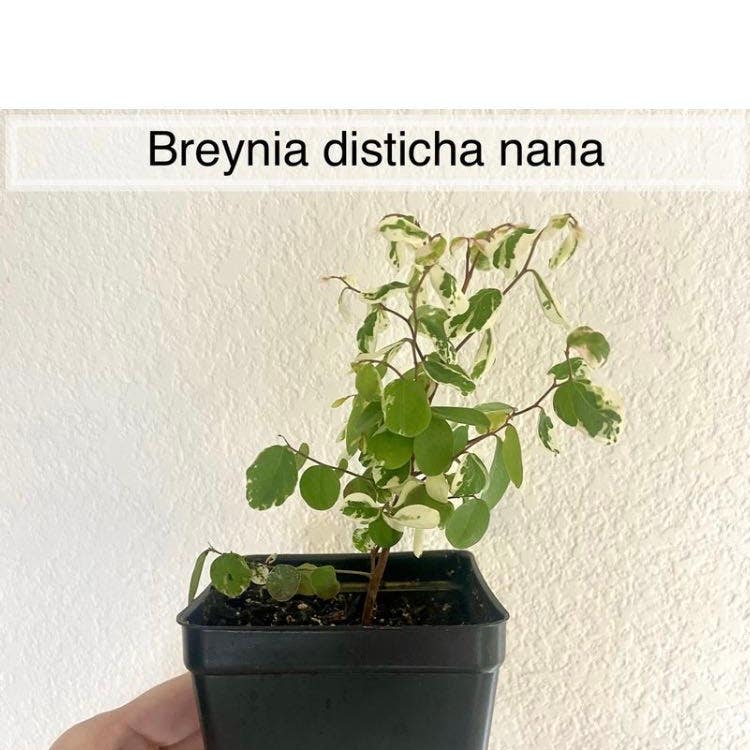
Best Potting Soil Mix for Breynia 🥄
Breynia rhynchocarpa
By the Greg Editorial Team
Nov 26, 2024•5 min read
This article was created with the help of AI so we can cover more plants for you. May contain errors. See one? Report it here.
- 🌱 Breynia needs 30-50% organic and inorganic materials for optimal drainage and growth.
- 🧪 Ideal soil pH is 6.0-7.0; test regularly for best nutrient absorption.
- 🏡 Homemade mixes with peat, perlite, and compost offer customization and cost-effectiveness.
Ideal Soil Composition
Components of an Ideal Soil Mix 🌱
Creating the perfect potting soil mix for Breynia is crucial for its health and growth. Aim for a blend that consists of 30-50% organic matter, such as peat moss or compost, which provides essential nutrients.
Incorporate 30-50% inorganic materials like perlite, vermiculite, or coarse sand to ensure proper drainage. The ideal soil type should be lightweight and well-draining, retaining some moisture without becoming waterlogged.
Recommended Commercial Potting Mixes 🛒
When selecting a commercial potting mix, look for products specifically labeled for tropical or aroid plants. These mixes are formulated to meet the unique needs of Breynia, ensuring optimal growth conditions.
Focus on characteristics such as high organic content, excellent drainage properties, and a balanced pH. Brands that emphasize these features will help your Breynia thrive in its new home.
With the right soil composition in place, your Breynia will be set up for success, paving the way for the next important aspect: identifying unhealthy soil conditions.
Identifying Unhealthy Soil
Signs of Unhealthy Soil 🌱
Recognizing unhealthy soil is crucial for maintaining your Breynia's health. Look for visual indicators like discoloration, compacted soil, or a foul smell, which can signal underlying issues.
Additionally, pay attention to your plant's symptoms. If you notice wilting, yellowing leaves, or stunted growth, it may be time to investigate the soil conditions.
How to Identify Moldy Soil 🦠
Moldy soil can be a sign of overwatering or poor drainage. Check for visual signs such as white or gray mold on the soil surface, which indicates fungal growth.
You should also assess the soil's texture. If it appears overly wet or slimy, it’s likely retaining too much moisture, creating an unhealthy environment for your plants.
Solutions for Unhealthy Soil Conditions 🛠️
If you identify unhealthy soil, immediate action is necessary. Remove the affected soil and replace it with a fresh, well-draining mix to restore your plant's health.
To prevent future issues, ensure proper watering practices and avoid over-fertilization. This proactive approach will help maintain a thriving environment for your Breynia.
Transitioning to the next topic, understanding soil pH requirements is essential for optimal plant growth.
Soil pH Requirements
Ideal pH Range 🌱
Maintaining the right soil pH is crucial for your Breynia's health. The optimal pH range is between 6.0 and 7.0, which is slightly acidic to neutral.
This pH level significantly impacts nutrient availability and overall growth. If the pH strays too far from this range, your plant may struggle to absorb essential nutrients.
How to Test Soil pH 🧪
Testing your soil's pH is straightforward. You can use a soil pH meter or pH test strips to get accurate readings.
It's recommended to test your soil every 6 to 12 months. Regular monitoring helps you catch any pH shifts early, ensuring your Breynia thrives.
Adjusting Soil pH ⚖️
If you find your soil's pH is too low, you can raise it by incorporating lime or wood ash. Conversely, if the pH is too high, adding sulfur or peat moss can help lower it.
After making any adjustments, it's essential to monitor the pH regularly. This ensures you maintain the desired levels for optimal plant health.
With the right pH balance, your Breynia will flourish, setting the stage for the next topic on creating a homemade soil mix.
Creating a Homemade Soil Mix
🥄 Ingredients for a Homemade Soil Mix
Creating your own potting soil mix for Breynia is both simple and rewarding. Start with a base of equal parts: 1 part peat moss, 1 part perlite, and 1 part compost.
For added benefits, consider optional amendments like coconut coir to enhance moisture retention or worm castings for an extra nutrient boost.
🛠️ Step-by-Step Guide to Mixing Soil
Follow these easy steps to create your homemade soil mix:
- Gather all ingredients in a large container.
- Mix the peat moss, perlite, and compost thoroughly.
- If using, add coconut coir and worm castings, mixing until evenly distributed.
- Test the mixture for moisture retention and drainage by adding water and observing how it holds up.
This straightforward process ensures you have a well-balanced mix tailored to your Breynia's needs.
🌱 Benefits of Homemade Soil
Homemade soil mixes offer several advantages. First, you can customize the ingredients to suit specific Breynia varieties and their environmental requirements.
Additionally, creating your own mix is often more cost-effective than purchasing commercial options. Plus, you gain quality control, ensuring your soil is free from harmful additives or pests.
With your homemade soil mix ready, you're well on your way to nurturing healthy, vibrant Breynia plants. Next, let’s explore the essential soil nutrients and amendments that will further support their growth.
Soil Nutrients and Amendments
🌱 Essential Nutrients for Growth
To thrive, Breynia plants need a balanced supply of nutrients. The key macronutrients include nitrogen (N), phosphorus (P), and potassium (K), which are vital for overall plant health.
Micronutrients like iron, magnesium, and calcium also play crucial roles in promoting lush foliage and robust growth. Ensuring your soil is rich in these nutrients will set your Breynia up for success.
🧪 Recommended Soil Amendments
Organic fertilizers are a fantastic way to boost soil health. Slow-release options such as fish emulsion or seaweed extract provide a steady supply of nutrients over time.
For optimal results, apply these amendments every 4-6 weeks during the growing season. This regular feeding schedule helps maintain nutrient levels and supports vigorous growth.
🌍 How to Enrich Soil Over Time
Regular composting is an effective strategy for replenishing nutrients in your soil. Adding compost not only enriches the soil but also improves its structure and moisture retention.
Mulching is another excellent practice. Using organic mulch helps retain moisture while gradually adding nutrients back into the soil as it decomposes.
Monitoring your plant's health is essential. Keep an eye on growth patterns and leaf color changes to adjust your amendments accordingly. This proactive approach ensures your Breynia remains vibrant and healthy.
With the right nutrients and amendments, your Breynia will flourish, setting the stage for the next topic: creating a homemade soil mix tailored to your plant's needs.
⚠️ Safety First
This content is for general information and may contain errors, omissions, or outdated details. It is not medical, veterinary advice, or an endorsement of therapeutic claims.
Always consult a qualified healthcare professional before using any plant as food, medicine, or supplement.
Never eat any plant (or feed one to pets) without confirming its identity with at least two trusted sources.
If you suspect poisoning, call Poison Control (800) 222-1222, the Pet Poison Helpline (800) 213-6680, or your local emergency service immediately.
Spotted an error? Please report it here.
Keep your Breynia thriving with the perfect potting mix 🌿 by using Greg's tailored tips and reminders to maintain optimal soil health and nutrient levels!