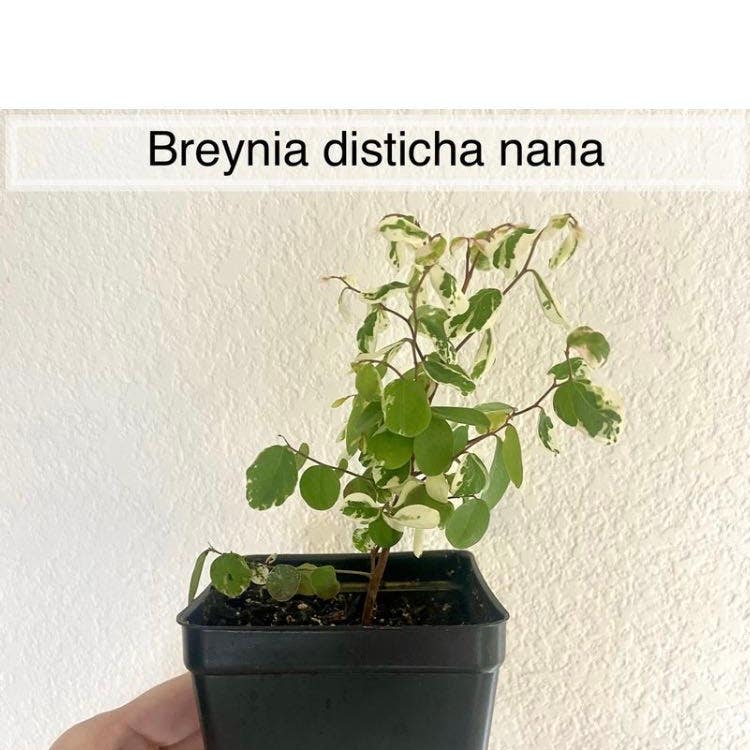
Best Tips for Healthy Breynia Roots 🥕
Breynia rhynchocarpa
By the Greg Editorial Team
Nov 26, 2024•7 min read
This article was created with the help of AI so we can cover more plants for you. May contain errors. See one? Report it here.
- 🌱 Healthy Breynia roots are fibrous, crucial for stability and nutrient absorption.
- 💧 Consistent moisture is key, but avoid overwatering to prevent root rot.
- 🌿 Transplant in spring for optimal growth and root health.
Root Type Characteristics
Fibrous System 🌱
A fibrous root system is characterized by numerous thin roots that spread out from the base of the plant. This structure is essential for the overall health and stability of the plant.
Specific Characteristics 🌿
Shallow Growth
Fibrous roots typically grow within the top 12 inches of soil. This shallow growth allows the plant to quickly access surface moisture and nutrients.
Wide Spread
These roots can extend laterally up to 2-3 feet from the plant base. Such a wide spread enhances the plant's ability to absorb water and nutrients efficiently.
Efficient Nutrient Uptake
The extensive network of fibrous roots is designed for effective absorption. This adaptability ensures that the plant can thrive in various soil conditions, making it resilient and robust.
Understanding these characteristics is crucial for anyone looking to cultivate healthy Breynia plants. With a solid grasp of their root system, you can provide the best care possible, setting the stage for vibrant growth and development.
As we delve deeper into the specifics of root depth, spread, and growth patterns, you'll discover how these factors play a vital role in nurturing your Breynia roots.
Root Depth, Spread, and Growth Patterns
Typical Depth and Spread 🌱
Breynia roots typically reach an average depth of about 12 inches (30 cm), which is essential for optimal growth. Their lateral spread can extend up to 2-3 feet (60-90 cm), depending on the soil conditions.
Growth Patterns and Care Implications 🌿
These roots establish rapidly in well-draining soil, allowing the plant to thrive. Their adaptability to various soil types enhances resilience, making them a robust choice for gardeners.
Maintaining consistent moisture is crucial, but avoid waterlogging to keep the roots healthy. Additionally, fertilization should be tailored to support these shallow root systems, ensuring they receive the nutrients they need without overwhelming them.
Understanding these growth patterns and care implications can significantly enhance your success with Breynia. By providing the right conditions, you can foster a thriving plant that showcases its vibrant foliage and unique characteristics.
Next, let’s explore the essential practices for watering, fertilizing, and transplanting your Breynia for optimal health.
Watering, Fertilizing, and Transplanting
Watering Needs 🌊
Regular watering is crucial for Breynia roots, especially during dry spells. Keep an eye out for yellowing leaves and wilting, as these are signs of overwatering, indicating that the roots may be struggling despite the moisture.
Fertilization Techniques 🌱
For optimal growth, use balanced NPK fertilizers during the growing season. Liquid fertilizers are particularly effective, allowing for quick absorption through the fibrous root system.
Transplanting Best Practices 🌼
Timing is key when transplanting Breynia. Aim to do this in the spring or early summer for the best results.
Preparation Steps
- Water the plant thoroughly before transplanting to reduce stress.
- Gently loosen the root ball to minimize damage during the process.
- Replant at the same depth in well-draining soil to ensure healthy growth.
By following these watering, fertilizing, and transplanting guidelines, you can help your Breynia thrive. Next, we’ll explore common root-related issues and how to identify and address them effectively.
Common Root-Related Issues
🕵️♂️ Identification of Problems
Root health is crucial for the overall vitality of your Breynia plant. Two common issues that can arise are root rot and pest infestations.
Root rot typically results from overwatering and poor drainage. This condition can lead to the decay of roots, severely impacting the plant's health.
Pests like nematodes and root aphids can also pose a significant threat. These tiny invaders damage roots, leading to stunted growth and other complications.
🛡️ Prevention and Solutions
Preventing root rot starts with ensuring proper drainage in pots and soil. Always check that your containers have adequate drainage holes.
Additionally, allow the top inch of soil to dry out between waterings. This practice helps maintain a healthy moisture balance, reducing the risk of rot.
To address pest issues, regularly inspect your plant's roots for any signs of trouble. Early detection is key to managing infestations effectively.
If you spot pests, consider using organic pesticides or beneficial nematodes. These solutions can help control the problem without harming your plant.
By staying vigilant and proactive, you can keep your Breynia roots healthy and thriving. Next, we’ll explore how to identify indicators of root health to ensure your plant continues to flourish.
Indicators of Root Health
🌱 Visual Cues for Healthy Roots
Healthy roots are essential for the vitality of your Breynia plant. Look for roots that are firm, with a white or light tan color, indicating they are thriving and free from rot.
A well-distributed root structure is another sign of health. Dense roots that spread evenly throughout the soil help ensure effective nutrient and water uptake.
🚩 Signs of Unhealthy Roots
On the flip side, unhealthy roots can be a red flag for your plant's overall condition. Dark brown or black roots, along with a mushy texture and foul odor, suggest root rot or other issues.
If you notice these signs, it's time to take action. Start by trimming away any dead or rotting roots to prevent further damage.
✂️ Corrective Measures
After trimming, repot your plant in fresh, well-draining soil to give it a new lease on life. This will help create a healthier environment for the remaining roots.
Finally, adjust your watering practices to prevent recurrence. Ensuring the right balance of moisture is key to maintaining root health and supporting your Breynia's growth.
With these insights, you can keep a close eye on your plant's roots and ensure they remain healthy and robust. This vigilance will set the stage for a thriving Breynia, ready to flourish in your care.
Next, let’s explore rootbound conditions and how to recognize and address them effectively.
Rootbound Conditions
Definition and Recognition 🌱
Rootbound is a condition where roots grow in circles around the pot, which can severely restrict a plant's growth. This often happens when the plant has outgrown its container, leading to a cramped environment.
Signs of Rootbound 🚩
Look for specific indicators to identify if your plant is rootbound. Common signs include:
- Roots emerging from drainage holes.
- Stunted growth and wilting, even with proper care.
If you notice these symptoms, it’s time to take action to help your plant thrive again.
Steps to Address Rootbound 🛠️
Addressing rootbound conditions is straightforward and can rejuvenate your plant. Follow these steps:
- Gently remove the plant from its pot. Take care not to damage the roots during this process.
- Loosen the root ball by gently untangling the roots. This helps to free them from their circular growth pattern.
- Repot into a larger container with fresh soil. Choose a pot that provides ample space for growth and ensures good drainage.
By following these steps, you can give your plant the room it needs to flourish.
Understanding and addressing rootbound conditions is crucial for maintaining a healthy Breynia. With the right care, your plant can thrive and continue to bring beauty to your space.
Importance of Root Health in Propagation
Best Practices for Propagation 🌱
When it comes to propagating Breynia, timing is everything. Aim to propagate during the growing season, as this is when the plant is most active and can recover quickly.
Using clean, sharp tools is crucial for minimizing damage during cuttings. This simple step can make a significant difference in the success of your propagation efforts.
Dividing While Preserving Roots ✂️
Dividing your Breynia can be a rewarding process if done correctly. Start by thoroughly watering the plant before division to ensure the roots are hydrated.
Next, carefully separate the clumps, making sure each division has roots attached. This attention to detail will help each new plant thrive.
Replant the divisions immediately in suitable soil to reduce stress. This quick action helps the plants establish themselves in their new homes without delay.
Conclusion 🏁
Understanding and caring for Breynia's root system is essential for successful propagation. By following these best practices, you can ensure that your plants not only survive but thrive, leading to a lush and vibrant garden.
⚠️ Safety First
This content is for general information and may contain errors, omissions, or outdated details. It is not medical, veterinary advice, or an endorsement of therapeutic claims.
Always consult a qualified healthcare professional before using any plant as food, medicine, or supplement.
Never eat any plant (or feed one to pets) without confirming its identity with at least two trusted sources.
If you suspect poisoning, call Poison Control (800) 222-1222, the Pet Poison Helpline (800) 213-6680, or your local emergency service immediately.
Spotted an error? Please report it here.
Nurture healthy Breynia roots 🌿 with Greg's tailored reminders and tips to keep moisture levels just right, ensuring your plants flourish beautifully!