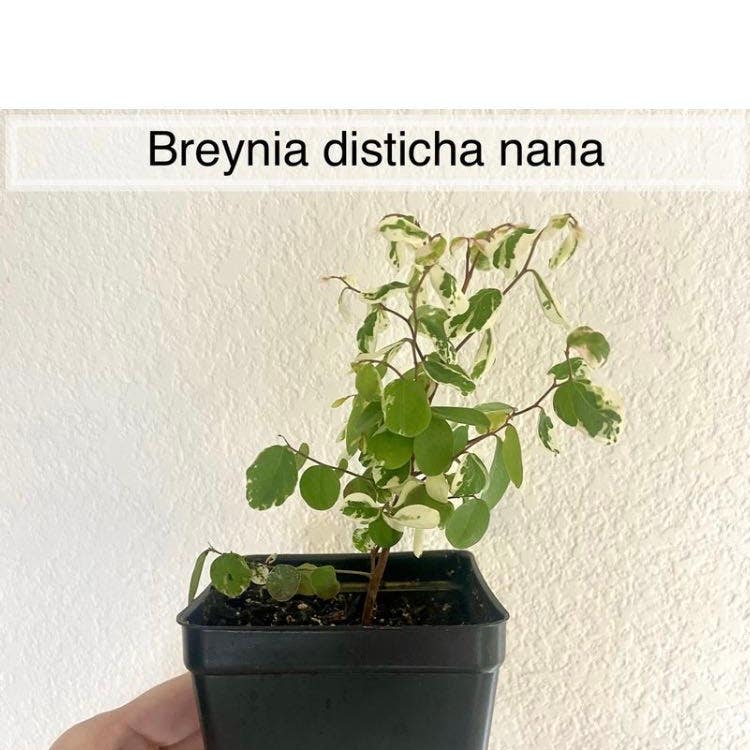
🌱 3 Secrets to Successfully Grow Breynia
Breynia rhynchocarpa
By the Greg Editorial Team
Nov 26, 2024•7 min read
This article was created with the help of AI so we can cover more plants for you. May contain errors. See one? Report it here.
- ☀️🌿 Breynia thrives in 4-6 hours of sunlight; adjust light for optimal growth.
- 💧🌱 Water every 1-2 weeks to keep soil moist, preventing root rot.
- 🌡️🌬️ Maintain humidity and temperature between 65°F to 85°F for healthy Breynia.
Choosing a Location
🌞 Sunlight Requirements
Breynia thrives in full sun to partial shade, making it versatile for various settings. Aim for 4-6 hours of sunlight exposure daily to ensure healthy growth.
🏡 Ideal Outdoor vs. Indoor Conditions
For outdoor cultivation, Breynia prefers warm, humid environments, ideally shielded from harsh winds. If you're growing indoors, provide bright, indirect light; consider using grow lights if natural light falls short.
Creating the right environment is crucial for your plant's success. Whether outdoors or indoors, ensuring optimal conditions will lead to vibrant, thriving Breynia.
As you prepare to plant, remember that the next step is soil preparation, which plays a vital role in your plant's health.
Soil Preparation
Best Soil Types 🌱
To successfully grow Breynia, start with a well-draining potting mix enriched with organic matter. This combination not only supports healthy root development but also ensures that your plant has the aeration and moisture retention it needs to thrive.
Soil pH and Drainage Considerations ⚖️
Maintaining the right soil pH is crucial; aim for a range of 6.0 to 7.0 for optimal growth. To enhance drainage, use pots with drainage holes and consider adding perlite or sand to your soil mix, which helps prevent waterlogging and promotes healthy roots.
With the right soil preparation in place, you're well on your way to nurturing a vibrant Breynia. Next, let’s dive into the planting process to ensure your plant gets off to a strong start.
Planting
Step-by-Step Instructions 🌱
Planting Breynia is straightforward and rewarding. Follow these simple steps for a successful start.
- Choose a suitable container or garden bed. Ensure it has adequate drainage to prevent waterlogging.
- Prepare the soil mix according to the soil preparation guidelines, focusing on a well-draining potting mix enriched with organic matter.
- Dig a hole twice the size of the root ball. This gives the roots ample space to expand.
- Place the plant in the hole, ensuring the top of the root ball is level with the soil surface for optimal growth.
- Backfill with soil and water thoroughly. This helps eliminate air pockets and settles the plant in its new home.
Spacing and Depth Recommendations 📏
When planting outdoors, spacing is crucial for healthy growth.
- Recommended spacing is 2-3 feet apart to allow each plant room to thrive.
- Depth of planting should ensure the root ball is covered but not buried too deep, which can hinder growth.
With these planting tips, your Breynia will have the best chance to flourish. Next, let’s explore how to care for your plant through proper watering and fertilizing techniques.
Watering and Fertilizing
💧 Watering Frequency and Techniques
Keeping your Breynia happy starts with proper watering. Aim to keep the soil consistently moist but avoid soggy conditions, which can lead to root rot.
For most climates, watering every 1-2 weeks is ideal. However, be prepared to adjust this frequency based on seasonal changes and environmental conditions.
🌱 Recommended Fertilizers and Feeding Schedule
When it comes to feeding your Breynia, balanced, slow-release fertilizers work wonders. These fertilizers provide a steady supply of nutrients without overwhelming the plant.
Fertilize every 4-6 weeks during the growing season to promote healthy growth. This routine ensures your plant gets the nourishment it needs to thrive.
With the right watering and fertilizing practices, your Breynia will flourish, setting the stage for effective pruning and maintenance.
Pruning and Maintenance
🌿 Importance of Pruning
Pruning is essential for Breynia as it encourages bushier growth and helps maintain the plant's overall health. By removing dead or damaged leaves, you allow the plant to focus its energy on new growth, resulting in a more vibrant appearance.
Timing is crucial for effective pruning. The best time to prune your Breynia is in early spring, just before new growth begins. This ensures that the plant can recover quickly and thrive throughout the growing season.
✂️ Techniques for Effective Pruning
To prune effectively, you'll need clean, sharp pruning shears. Using the right tools not only makes the job easier but also minimizes stress on the plant.
When it comes to the actual pruning method, focus on trimming back any leggy growth. This helps shape the plant and encourages a fuller, more compact form. Don't hesitate to remove any unwanted branches to promote a healthier structure.
Regular pruning not only enhances the aesthetic appeal of your Breynia but also contributes to its longevity. By incorporating these techniques into your maintenance routine, you'll foster a thriving plant that brings joy to your space.
As you continue caring for your Breynia, remember that ongoing maintenance is key to its success. Next, we’ll explore common challenges and solutions to keep your plant flourishing.
Common Challenges and Solutions
🐛 Identifying Pests and Diseases
Pests can be a real headache for Breynia growers. Watch out for common culprits like aphids, spider mites, and mealybugs.
Signs of an infestation include yellowing leaves, webbing, and sticky residue on the foliage. If you notice these symptoms, it’s time to take action.
🛠️ Troubleshooting Growth Issues
Growth issues can also plague your Breynia plants. Common problems include wilting, yellowing leaves, and stunted growth.
To tackle these issues, adjust your watering practices and check for root rot. Ensuring your plant has the right moisture levels can make all the difference.
🌦️ Seasonal Care Adjustments
Seasonal changes require adjustments in care. In winter, reduce watering and protect your plants from cold drafts to keep them healthy.
During the summer, increase humidity and keep a close eye on pests. This proactive approach will help your Breynia thrive year-round.
By staying vigilant and adapting your care routine, you can overcome these common challenges and enjoy a flourishing Breynia garden. Next, let’s explore effective propagation techniques to expand your collection!
Propagation Techniques
🌱 Methods of Propagation
Propagation is a fantastic way to expand your Breynia collection. The most effective method is taking cuttings from healthy stems and using rooting hormone to encourage growth.
Timing is crucial for successful propagation. Aim to start this process in spring or early summer when the plant is actively growing.
📋 Step-by-Step Instructions
Follow these simple steps to propagate your Breynia:
- Take Cuttings: Select healthy stems and cut 4-6 inches long.
- Prepare Cuttings: Remove the lower leaves to expose the stem and dip the cut end in rooting hormone.
- Planting: Place the cutting in a well-draining potting mix, ensuring it’s secure.
- Watering: Water lightly to moisten the soil and cover the pot with a plastic bag to maintain humidity.
- Monitoring: Keep an eye on your cuttings for root development, which should occur in 2-4 weeks.
By following these steps, you’ll be well on your way to successfully propagating Breynia. This not only enhances your garden but also gives you the joy of nurturing new plants from your existing ones.
Next, let’s explore the ongoing care routine to ensure your plants thrive.
Maintenance
Ongoing Care Routine 🌱
Maintaining your Breynia requires regular inspections for pests and diseases. Keep an eye out for any unusual signs, as early detection can save your plant from serious issues.
Adjust your watering and fertilizing routines based on seasonal changes. During the growing season, your plant may need more frequent care, while in the colder months, you can scale back.
Importance of Environmental Conditions 🌤️
Humidity plays a crucial role in the health of your Breynia. Consider using humidity trays or misting to maintain optimal moisture levels around your plant.
Temperature is another key factor. Aim to keep your Breynia in an environment where the temperature ranges from 65°F to 85°F (18°C to 29°C) for the best growth results.
With these maintenance tips, your Breynia will thrive, setting the stage for the next exciting topic: Propagation Techniques.
⚠️ Safety First
This content is for general information and may contain errors, omissions, or outdated details. It is not medical, veterinary advice, or an endorsement of therapeutic claims.
Always consult a qualified healthcare professional before using any plant as food, medicine, or supplement.
Never eat any plant (or feed one to pets) without confirming its identity with at least two trusted sources.
If you suspect poisoning, call Poison Control (800) 222-1222, the Pet Poison Helpline (800) 213-6680, or your local emergency service immediately.
Spotted an error? Please report it here.
Grow your Breynia like a pro 🌱 with Greg's tailored care reminders and expert tips that keep your plants thriving in any environment!