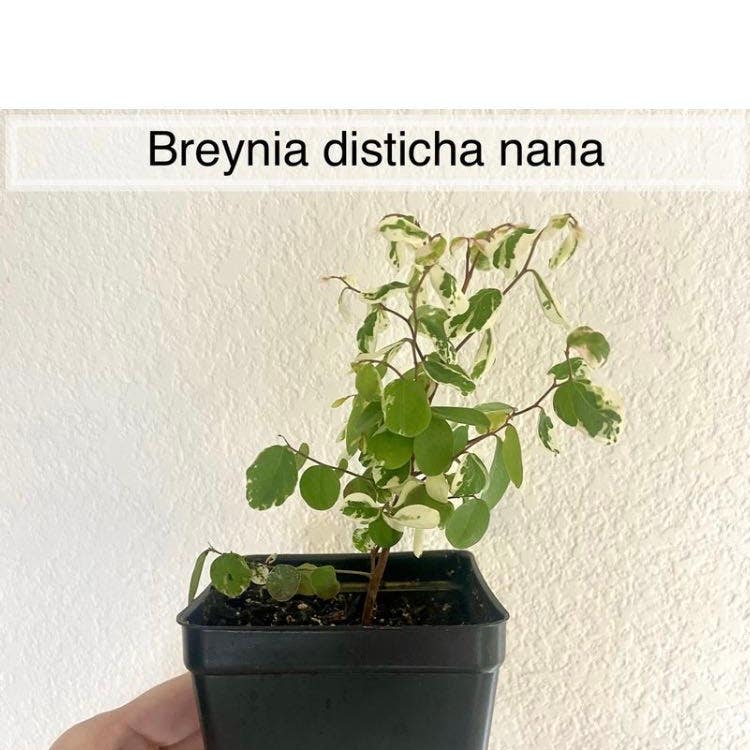
🍃 Ultimate Guide to Fixing Dropping Leaves on Breynia
Breynia rhynchocarpa
By the Greg Editorial Team
Nov 26, 2024•5 min read
This article was created with the help of AI so we can cover more plants for you. May contain errors. See one? Report it here.
- 🌱 Recognize stress signs like yellowing or wilting leaves to maintain Breynia health.
- 💧 Water properly: Allow soil to dry out to prevent overwatering and underwatering.
- 🐛 Inspect regularly for pests and diseases to catch issues before they escalate.
Symptoms to Look For
Signs of Stress 🌱
Recognizing the signs of stress in your Breynia is crucial for its health. One of the most common indicators is yellowing leaves, which often signals stress or a nutrient deficiency.
Another telltale sign is wilting or drooping leaves. This usually points to watering issues, whether it’s too much or too little.
Keep an eye out for leaf spots or discoloration as well. These can indicate potential pest infestations or diseases that need addressing.
Lastly, observe the leaf drop patterns. A sudden loss of leaves can indicate a serious problem, while gradual leaf drop might suggest a more chronic issue.
By being vigilant about these symptoms, you can take proactive steps to ensure your Breynia thrives. Understanding these signs will set you up for success as you move on to the next steps in caring for your plant.
Watering Practices
💧 Overwatering vs. Underwatering
Understanding the balance between overwatering and underwatering is crucial for the health of your Breynia.
Overwatering signs include yellowing leaves, root rot, and mushy stems. If you notice these symptoms, it’s a clear indication that your plant is struggling with excess moisture.
On the other hand, underwatering signs manifest as wilting, dry leaves, and crispy edges. These symptoms suggest that your Breynia is not receiving enough water to thrive.
🌊 Best Watering Practices
To keep your Breynia healthy, follow these best watering practices:
Watering frequency: Allow the top 1-2 inches of soil to dry out between waterings. This helps prevent both overwatering and underwatering.
Watering method: Water thoroughly until excess drains from the bottom. This ensures that the roots receive adequate moisture without becoming waterlogged.
Seasonal adjustments: Reduce watering in winter months. Plants typically require less water during their dormant period, so adjust accordingly to avoid stress.
By adhering to these practices, you can maintain optimal moisture levels for your Breynia, promoting lush growth and vibrant leaves.
Next, we’ll explore the nutritional needs of your plant to further enhance its health and vitality.
Nutritional Needs
🌱 Importance of Fertilization
Nutrients play a crucial role in maintaining the health and vitality of your Breynia. They are essential for growth, helping your plant produce lush, vibrant leaves.
To keep your Breynia thriving, fertilize every 4-6 weeks during the growing season. This regular feeding ensures your plant receives the necessary nutrients to flourish.
⚠️ Signs of Nutrient Deficiency
Watch for yellowing leaves, which often indicate a nitrogen deficiency. This is a common issue that can lead to a lack of vigor in your plant.
Stunted growth may signal a deficiency in phosphorus or potassium. If you notice your Breynia isn’t growing as expected, it might be time to reassess its nutritional intake.
Leaf drop can also occur due to an overall nutrient imbalance. Keeping an eye on these signs will help you maintain a healthy plant.
By understanding these nutritional needs, you can take proactive steps to ensure your Breynia remains vibrant and healthy. Next, let’s explore effective pest and disease management strategies to further protect your plant.
Pest and Disease Management
🐜 Common Pests Affecting Breynia
Breynia plants can fall victim to several pests that threaten their health.
Spider Mites
Spider mites are tiny, often invisible to the naked eye, but their presence can be detected by the fine webbing they leave behind. Look for yellowing leaves and tiny specks on the foliage, which indicate an infestation.
Aphids
Aphids are small, soft-bodied insects that cluster on new growth. They suck sap from the leaves, leading to curled, yellowing foliage and stunted growth.
🛡️ Control Methods
To combat these pests, consider using insecticidal soap or neem oil, both of which are effective and environmentally friendly. Introducing beneficial insects, like ladybugs, can also help keep pest populations in check.
🌱 Identifying Diseases That Cause Leaf Drop
Fungal and bacterial infections can significantly impact Breynia health.
Fungal Infections
Root rot is a common issue caused by overwatering, leading to mushy roots and yellowing leaves. Leaf spot diseases manifest as dark spots on leaves, often resulting from excess moisture.
Bacterial Infections
Bacterial infections can cause wilting and leaf drop. Symptoms include water-soaked spots and a general decline in plant vigor, often exacerbated by poor air circulation.
🚑 Treatment Options for Pests and Diseases
Addressing pests and diseases promptly is crucial for plant health.
Organic Pest Control Methods
Homemade sprays, such as a mixture of water and dish soap, can deter pests effectively. Traps can also be set up to catch flying insects.
Chemical Treatments
In cases of severe infestation, commercial pesticides may be necessary. Always follow the manufacturer's instructions and consider the impact on beneficial insects.
🔍 Importance of Early Detection
Regular inspections are key to maintaining healthy Breynia plants. Look for signs of stress, pests, or diseases to catch issues early and implement solutions before they escalate.
By staying vigilant and proactive, you can ensure your Breynia thrives, free from the threats of pests and diseases. Next, let’s explore preventive measures to keep your plant healthy and vibrant.
Preventive Measures
Regular Maintenance Tips 🌱
Keeping your Breynia healthy starts with regular maintenance. Pruning is essential; removing dead or damaged leaves encourages new growth and keeps your plant looking vibrant.
Cleaning the leaves is another simple yet effective practice. Dust can accumulate, blocking sunlight and hindering photosynthesis, so a gentle wipe down can significantly enhance light absorption.
Monitoring Plant Health 👀
Regular check-ups are crucial for spotting signs of stress or pest infestations early. Make it a habit to inspect your plant frequently, looking for any unusual changes.
Utilizing plant care apps can also streamline your maintenance routine. These apps can set reminders for watering and fertilization, ensuring your Breynia gets the care it needs without the guesswork.
By implementing these preventive measures, you can foster a thriving environment for your Breynia, setting the stage for the next section on pest and disease management.
⚠️ Safety First
This content is for general information and may contain errors, omissions, or outdated details. It is not medical, veterinary advice, or an endorsement of therapeutic claims.
Always consult a qualified healthcare professional before using any plant as food, medicine, or supplement.
Never eat any plant (or feed one to pets) without confirming its identity with at least two trusted sources.
If you suspect poisoning, call Poison Control (800) 222-1222, the Pet Poison Helpline (800) 213-6680, or your local emergency service immediately.
Spotted an error? Please report it here.
Keep your Breynia thriving 🌿 by using Greg's tailored reminders for watering and pest control, ensuring you catch stress signs before those leaves start dropping!