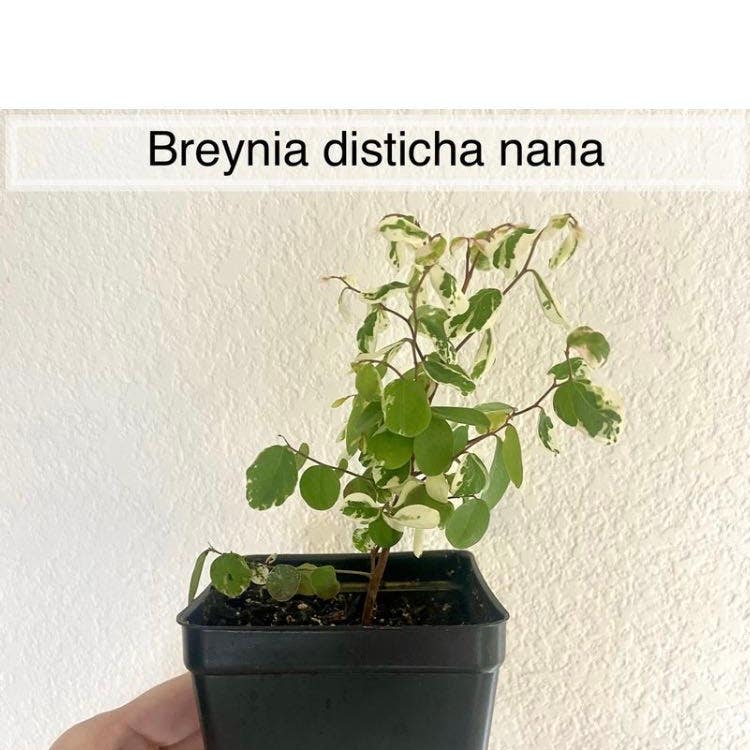
🌸 9 Easy Ways to Pollinate Breynia
Breynia rhynchocarpa
By the Greg Editorial Team
Nov 26, 2024•6 min read
This article was created with the help of AI so we can cover more plants for you. May contain errors. See one? Report it here.
- 🌼 Breynia flowers attract bees, butterflies, and hummingbirds for effective pollination.
- 🤲 Hand pollination ensures success when natural pollinators are scarce or absent.
- 🌱 Creating a pollinator-friendly garden boosts Breynia's health and genetic diversity.
Flower Structure
Description of Flower Parts 🌸
Breynia flowers are characterized by their small, clustered blooms, typically showcasing hues of white to pale green. These delicate petals are complemented by sepals, which are leaf-like structures that protect the flower bud before it opens.
The male reproductive parts, known as stamens, play a crucial role in pollen production. Meanwhile, the pistils serve as the female reproductive components, receiving pollen and eventually developing into fruit.
How Flower Structure Facilitates Pollination 🐝
The arrangement of petals and sepals is not just for aesthetics; it actively attracts specific pollinator species. This strategic design enhances the chances of successful pollination, whether through self-pollination or cross-pollination.
Stamens and pistils are structured to optimize pollen transfer. This ensures that Breynia can effectively reproduce, even in varying environmental conditions.
Understanding these flower structures is essential for anyone looking to enhance their Breynia plants' pollination success. With this knowledge, gardeners can appreciate the intricate relationship between flower anatomy and pollinator interaction.
As we delve deeper into the pollination process, we will explore how Breynia can self-pollinate and the vital role of its primary pollinators.
Pollination Process
Mechanisms of Self-Pollination 🌱
Breynia has a fascinating ability to self-pollinate, which is crucial for its survival in environments where pollinators may be scarce. The timing of pollen release aligns perfectly with the receptivity of the stigma, ensuring that fertilization can occur even without external help.
Self-pollination offers significant advantages for Breynia. It allows for fruit production even when pollinator presence is limited, ensuring the continuation of the species in challenging conditions.
Primary Pollinators and Their Role 🐝
Key pollinators for Breynia include bees, butterflies, moths, and hummingbirds. These species play a vital role in the pollination process, as they are attracted to the flowers by their nectar rewards.
As these pollinators visit Breynia flowers, they collect pollen, which they inadvertently transfer from one flower to another. This interaction not only aids in fertilization but also enhances the genetic diversity of the plant population, contributing to a healthier ecosystem.
Understanding the dynamics between Breynia and its pollinators is essential for fostering a thriving garden. The next section will delve into the natural pollination mechanisms that further support this process.
Natural Pollination
🌬️ Pollen Transfer Mechanisms
Natural pollination occurs through various methods, primarily wind and animal-assisted transfer. Wind can carry pollen from one flower to another, but animal pollinators, like bees and butterflies, play a crucial role in ensuring effective pollen transfer.
Environmental factors significantly influence pollen viability and transfer success. Temperature and humidity can affect how long pollen remains viable and how effectively it can be transferred to the stigma of flowers.
🌼 Importance of Pollination for Reproduction and Genetic Diversity
Successful pollination is vital for enhancing fruit quality in Breynia. It also promotes genetic diversity, which is essential for the resilience and adaptability of plant populations.
Maintaining healthy pollinator populations is crucial not just for Breynia but for the entire ecosystem. Pollinators contribute to the reproduction of many plants, supporting biodiversity and ecological balance.
As we explore the challenges of pollination in the next section, it’s essential to recognize the interconnectedness of these processes and the role we can play in supporting them.
Hand Pollination Techniques
Hand pollination can be a rewarding way to ensure your Breynia plants thrive, especially when natural pollinators are scarce. Here’s how to do it effectively.
🌼 Step-by-Step Instructions for Hand Pollination
- Gather materials: You'll need a fine brush or a cotton swab to transfer pollen.
- Identify male flower parts: Locate the stamens, which are the male parts of the flower, and collect the pollen.
- Transfer pollen: Gently apply the collected pollen to the stigma of the female flowers.
- Timing: For the best results, perform hand pollination during the peak flowering season when flowers are most receptive.
🔍 Identifying Male and Female Flower Parts
Understanding the difference between male and female flowers is crucial for successful hand pollination.
- Male flowers have stamens that produce pollen, while female flowers feature pistils that receive pollen.
- Recognizing these parts ensures you’re transferring pollen correctly, maximizing your chances of fruit production.
By mastering these techniques, you can significantly enhance the reproductive success of your Breynia plants. This hands-on approach not only fosters a deeper connection with your garden but also contributes to the overall health of your plants.
As you become more familiar with these techniques, you’ll find it easier to support your Breynia and its pollination needs. Next, let’s explore how to create a pollinator-friendly environment to further enhance your gardening efforts.
Supporting Pollinators
🌼 Creating a Pollinator-Friendly Environment
Designing a garden that attracts pollinators is both rewarding and essential. Start by incorporating a variety of flowering plants that bloom at different times throughout the year to provide a continuous food source.
Diverse plantings are crucial for attracting various pollinator species. Include native plants, as they are often more appealing to local pollinators. Additionally, ensure there are water sources, like shallow dishes or birdbaths, and provide shelter with shrubs or small trees to create a welcoming habitat.
🌸 Companion Plants to Attract Pollinators
Companion planting can significantly enhance pollinator activity around Breynia. Consider adding plants like lavender, coneflower, and bee balm, which are known to attract bees and butterflies.
These companion plants not only provide nectar and pollen but also create a vibrant garden ecosystem. By fostering a diverse environment, you support pollinators and improve the overall health of your Breynia plants.
As you cultivate a pollinator-friendly space, remember that every small effort counts. Your garden can become a sanctuary for these vital creatures, ensuring the success of Breynia and the surrounding flora.
Pollination Challenges
🌼 Common Obstacles to Successful Pollination
Pollination can be a tricky business for Breynia, primarily due to environmental factors. Extreme temperatures can either scorch the flowers or delay blooming, while a lack of humidity can dry out pollen, making it less viable for transfer.
Additionally, reduced populations of pollinators like bees and butterflies pose a significant threat. Without these essential partners, Breynia's ability to reproduce diminishes, leading to fewer fruits and a decline in genetic diversity.
🛠️ Solutions for Overcoming Pollination Challenges
Fortunately, gardeners can take proactive steps to support Breynia's pollination efforts. Creating microclimates—areas that provide more favorable conditions—can help shield plants from harsh weather.
Supplemental pollination techniques, such as hand pollination, can also be effective. By monitoring environmental conditions and adjusting care practices, you can enhance the chances of successful pollination and ensure a thriving Breynia garden.
With a little effort and attention, you can help overcome these challenges and support the beautiful cycle of life in your garden.
⚠️ Safety First
This content is for general information and may contain errors, omissions, or outdated details. It is not medical, veterinary advice, or an endorsement of therapeutic claims.
Always consult a qualified healthcare professional before using any plant as food, medicine, or supplement.
Never eat any plant (or feed one to pets) without confirming its identity with at least two trusted sources.
If you suspect poisoning, call Poison Control (800) 222-1222, the Pet Poison Helpline (800) 213-6680, or your local emergency service immediately.
Spotted an error? Please report it here.
Boost your Breynia's pollination success 🌱 with Greg's personalized tips and reminders, ensuring a vibrant garden filled with thriving plants and happy pollinators!