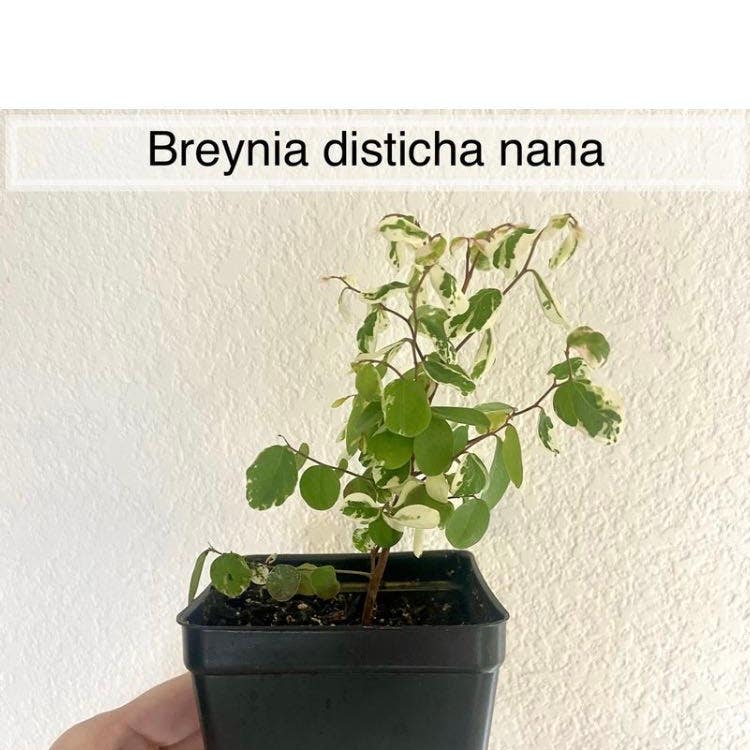
🌡 Optimal Hardiness Zones for Breynia: 10a-11b
Breynia rhynchocarpa
By the Greg Editorial Team
Nov 26, 2024•4 min read
This article was created with the help of AI so we can cover more plants for you. May contain errors. See one? Report it here.
- 🌡️ Breynia thrives in USDA zones 10a-11b, ideal for warm climates.
- ❄️ Frost sensitivity means protect Breynia below 30°F (-1°C) for healthy growth.
- 🌞 Full sun to partial shade ensures vibrant foliage and optimal growth conditions.
Breynia's Temperature Tolerance
❄️ Cold Tolerance
Breynia can tolerate temperatures as low as 30°F (-1°C). However, it is sensitive to frost, which can damage its foliage and overall health.
🔥 Heat Tolerance
On the other end of the spectrum, Breynia can withstand temperatures as high as 100°F (38°C). Coastal regions play a crucial role here, providing stable humidity levels that help Breynia thrive in high heat.
🌡️ Specific Temperature Ranges for Breynia
For optimal growth, Breynia flourishes in an ideal temperature range of 60°F to 85°F (15°C to 29°C). It's important to note that temperature fluctuations outside this range can negatively impact Breynia's health, leading to stress and potential decline.
Understanding Breynia's temperature tolerance is essential for successful cultivation. Next, we will explore the ideal growing regions for this resilient plant.
Ideal Growing Regions for Breynia
🌎 Examples of US States in Zones 10a-11b
Breynia thrives in several US states that fall within hardiness zones 10a to 11b. Key states include California, Florida, Texas, Hawaii, and parts of Arizona.
These regions boast warm temperatures, stable humidity, and minimal frost occurrences, creating an ideal environment for Breynia to flourish. The consistent climate allows for robust growth and vibrant foliage.
🌱 Factors Contributing to Ideal Growing Conditions
Soil type plays a crucial role in Breynia's success. Well-draining, fertile soils that retain moisture are essential for healthy plants.
Sunlight exposure is another important factor. Breynia prefers full sun to partial shade, ensuring it receives the right amount of light for optimal growth.
By understanding these conditions, gardeners can create a nurturing environment for Breynia, leading to lush and thriving plants.
As we explore further, let’s delve into how microclimates can also impact Breynia growth.
Microclimates and Breynia
🌡️ How Microclimates Can Affect Breynia Growth
Microclimates play a crucial role in the health and vitality of Breynia plants. They offer protection from extreme temperatures, allowing for extended growing seasons that can significantly enhance plant growth.
However, microclimates can also present challenges. Unexpected frost pockets may form in low-lying areas, while excessive heat can occur in poorly ventilated spaces, both of which can stress Breynia.
🌍 Examples of Microclimates That May Support Breynia Outside Its Usual Zones
Coastal areas are prime examples of microclimates that can support Breynia. The proximity to water moderates temperatures, creating a stable environment that benefits plant health.
Urban areas can also provide unique advantages. Heat islands formed by buildings and pavement can raise temperatures, creating a warmer microclimate that may be beneficial for Breynia cultivation.
Understanding these microclimates can help gardeners optimize their growing conditions. By leveraging the benefits while being mindful of potential challenges, you can create an ideal environment for Breynia to thrive.
As we explore the ideal growing regions for Breynia, let's delve into specific states that fall within the optimal hardiness zones.
State-Level Suitability for Breynia
🌞 List of US States Suitable for Breynia (Zones 10a-11b)
Breynia thrives in USDA hardiness zones 10a to 11b, making several states ideal for its growth. The top contenders include:
- California: With its warm climate and diverse ecosystems, California offers the perfect environment for Breynia.
- Florida: Known for its tropical weather, Florida provides the humidity and warmth that Breynia loves.
- Texas: The southern regions of Texas boast the right temperatures and minimal frost, making it suitable for Breynia cultivation.
- Hawaii: The year-round warm climate and rich soil create an ideal paradise for Breynia.
- Parts of Arizona: Certain areas in Arizona, especially those with higher humidity, can support Breynia's growth.
These states share favorable climates, characterized by warm temperatures and minimal frost risk, which are crucial for Breynia's health.
🚫 List of US States Unsuitable for Breynia and Reasons Why
On the flip side, several states fall outside the ideal growing conditions for Breynia. These include:
- New York: Colder temperatures and a higher risk of frost make it unsuitable.
- Minnesota: The harsh winters and low temperatures are detrimental to Breynia.
- North Dakota: Similar to Minnesota, the extreme cold and frost risk prevent successful growth.
These states experience colder climates and higher frost occurrences, which pose significant challenges for cultivating Breynia.
❄️ Discussion of Frost Dates and Their Impact on Breynia
Understanding frost dates is essential for successful Breynia cultivation. The first and last frost dates indicate when it's safe to plant and when to protect your plants.
- First Frost Date: This is the first occurrence of frost in the fall, which can damage Breynia if not protected.
- Last Frost Date: This marks the end of frost in spring, signaling the right time to plant Breynia.
Frost dates vary significantly by region, impacting when you can safely grow Breynia. Knowing these dates helps ensure your plants thrive without the threat of frost damage.
As we explore the next section, we'll delve into how microclimates can further influence Breynia's growth and adaptability.
⚠️ Safety First
This content is for general information and may contain errors, omissions, or outdated details. It is not medical, veterinary advice, or an endorsement of therapeutic claims.
Always consult a qualified healthcare professional before using any plant as food, medicine, or supplement.
Never eat any plant (or feed one to pets) without confirming its identity with at least two trusted sources.
If you suspect poisoning, call Poison Control (800) 222-1222, the Pet Poison Helpline (800) 213-6680, or your local emergency service immediately.
Spotted an error? Please report it here.
Unlock lush Breynia growth 🌱 with Greg's tailored care reminders and tips, ensuring your plants thrive in their ideal hardiness zones!