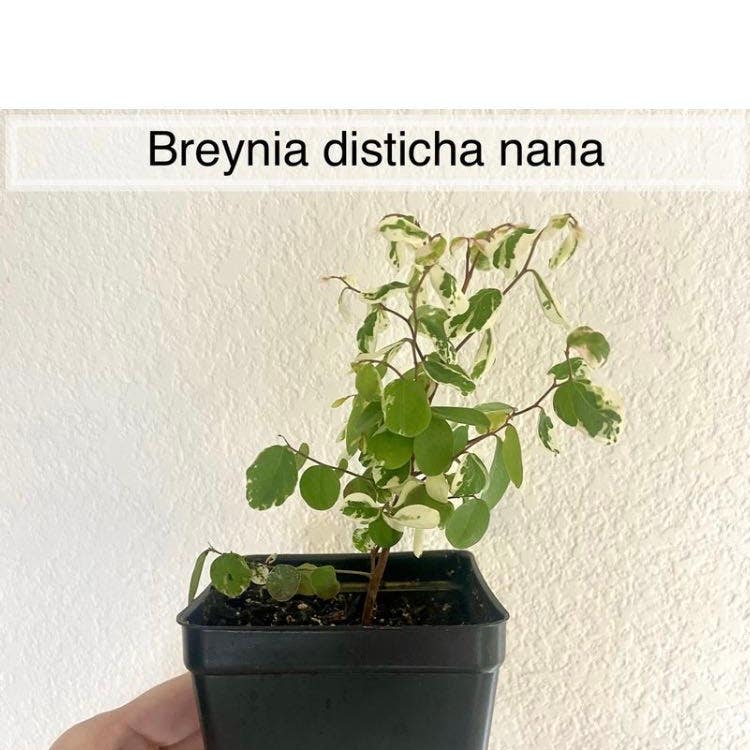
📅 Why Breynia Is Not an Annual
Breynia rhynchocarpa
By the Greg Editorial Team
Nov 26, 2024•5 min read
This article was created with the help of AI so we can cover more plants for you. May contain errors. See one? Report it here.
- 🌱 Breynia is a perennial, thriving for years with proper care and conditions.
- 🌍 Unique genetics and root systems enhance Breynia's adaptability to various environments.
- 🌼 Frequent flowering and seed production ensure Breynia's long-term beauty and resilience.
Breynia's Perennial Nature
🌱 Genetic Characteristics
Breynia plants exhibit unique chromosomal structures that enable them to adapt for long-term survival. This genetic makeup allows them to thrive in various environments, ensuring they can withstand environmental stressors effectively.
🌿 Physiological Traits Supporting Perennial Growth
One of the key features of Breynia is its extensive root system, which efficiently absorbs nutrients and water. Additionally, the plant has a remarkable ability to regenerate shoots from its base, enhancing its chances of survival during adverse conditions.
⏳ Long-Term Lifecycle
Breynia follows a distinct lifecycle that includes stages of dormancy, active growth, flowering, and seed production. This plant can survive for several years, often flourishing in warm climates where conditions are favorable.
📅 Growth Patterns and Seasonal Behavior
During the warm months, Breynia is actively growing, while it enters a state of dormancy in cooler periods. This seasonal behavior showcases its adaptations, allowing it to survive in tropical to subtropical environments with varying climate conditions.
Breynia's perennial nature not only highlights its resilience but also sets the stage for understanding its reproductive strategies. Let's explore how this plant reproduces and thrives over time.
Reproductive Strategies
🌸 Flowering Cycles
Breynia is known for its impressive flowering cycles, which occur multiple times throughout its lifespan. This frequent blooming not only enhances its aesthetic appeal but also plays a crucial role in its reproductive success.
Optimal conditions for flowering include warm temperatures and adequate moisture. These factors create a favorable environment for pollination, ensuring that Breynia can thrive and reproduce effectively.
🌱 Seed Production and Dispersal Mechanisms
One of the remarkable features of Breynia is its ability to produce seeds continuously over several years. This ongoing seed production allows the plant to maintain a robust population in its native habitats.
Breynia employs various dispersal methods, including wind, water, and animal-assisted mechanisms. These strategies ensure that its seeds can reach new locations, promoting genetic diversity and colonization in suitable environments.
🔄 Comparison with Annual Reproductive Strategies
In contrast to annual plants, which typically have a single reproductive event followed by rapid seed production, Breynia exhibits an extended reproductive phase. This prolonged cycle allows for sustained growth and adaptation, making it a resilient choice for gardeners and ecosystems alike.
Understanding these reproductive strategies highlights why Breynia is not just another annual plant. Its unique lifecycle and adaptability set it apart, making it a fascinating subject for both horticulturists and nature enthusiasts.
As we delve deeper into the misconceptions surrounding Breynia, we can further appreciate its true nature and the factors influencing its growth.
Misconceptions and Exceptions
🌱 Situations Where Breynia May Be Treated as an Annual
In cooler climates, Breynia can often be misclassified as an annual. This misunderstanding arises from its inability to exhibit year-round growth in regions where temperatures drop significantly.
Garden practices also contribute to this perception. Seasonal planting can lead gardeners to treat Breynia as an annual, overlooking its true perennial nature.
🌡️ Environmental Factors Influencing Growth Cycle
Temperature plays a crucial role in Breynia's growth cycle. Cold snaps can trigger dormancy, impacting its ability to thrive and leading to misconceptions about its lifespan.
Soil conditions are equally important. Nutrient availability can significantly affect Breynia's growth patterns, further complicating its classification.
🤔 Common Misconceptions About Classification
Many people misunderstand Breynia's lifecycle, confusing it with annual plants due to environmental stress. This confusion often stems from observing its growth in less-than-ideal conditions.
Additionally, there is a widespread perception of Breynia as a short-lived plant in certain regions. This view fails to recognize its resilience and potential for longevity when properly cared for.
Understanding these misconceptions can help gardeners appreciate Breynia's true nature and make informed decisions about its cultivation. As we move forward, let's explore the implications of incorporating Breynia into garden designs.
Implications for Gardeners
🌼 Benefits of Incorporating Breynia in Garden Design
Breynia brings a unique aesthetic appeal to gardens with its diverse foliage and vibrant flowering patterns. This perennial plant not only enhances visual interest but also provides a long-term investment, as its nature reduces the need for frequent replanting.
🌱 Strategies for Maximizing Longevity
To ensure Breynia thrives, proper site selection is crucial. Opt for warm, sheltered locations that protect the plant from harsh conditions.
Soil management is equally important. Ensure the soil is well-draining and nutrient-rich to support healthy growth.
✂️ Tips for Managing Breynia as a Perennial
Implementing effective pruning techniques can encourage new growth and flowering. Regularly trimming back old stems promotes a bushier appearance and enhances blooming.
Seasonal care is vital, too. Adjust your watering and fertilization based on the plant's growth cycles to keep it healthy and vibrant.
Lastly, consider utilizing the Greg plant care app. This handy tool can send reminders for care schedules and seasonal changes, making it easier to manage your Breynia effectively.
Incorporating these strategies will not only enhance your garden's beauty but also ensure that your Breynia flourishes for years to come. As you cultivate this resilient plant, you'll appreciate its unique contributions to your outdoor space.
⚠️ Safety First
This content is for general information and may contain errors, omissions, or outdated details. It is not medical, veterinary advice, or an endorsement of therapeutic claims.
Always consult a qualified healthcare professional before using any plant as food, medicine, or supplement.
Never eat any plant (or feed one to pets) without confirming its identity with at least two trusted sources.
If you suspect poisoning, call Poison Control (800) 222-1222, the Pet Poison Helpline (800) 213-6680, or your local emergency service immediately.
Spotted an error? Please report it here.
Unlock the perennial potential of Breynia 🌿 with Greg's tailored care reminders and expert tips to keep your garden thriving year after year!