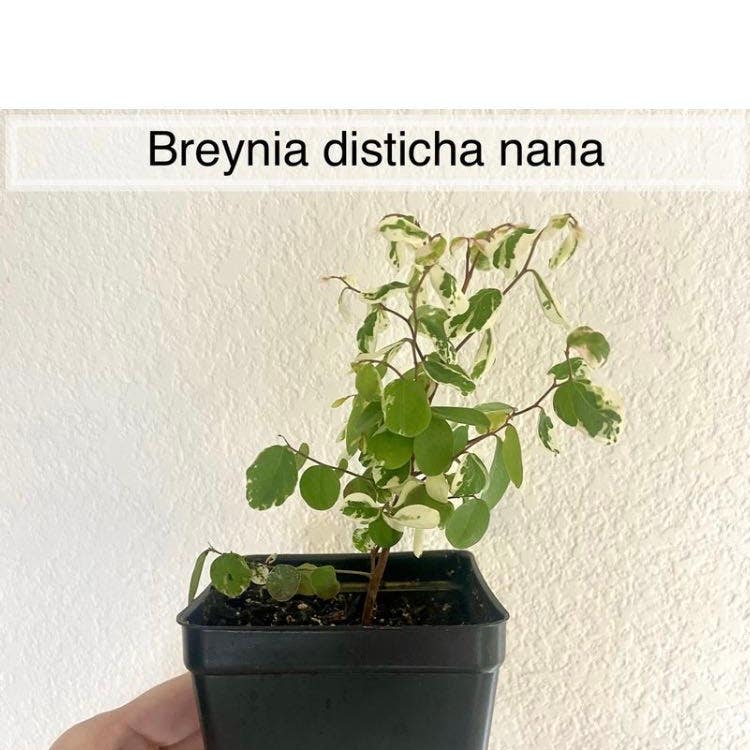
☀️ Ultimate Guide to Temperature for Breynia
Breynia rhynchocarpa
By the Greg Editorial Team
Nov 26, 2024•3 min read
This article was created with the help of AI so we can cover more plants for you. May contain errors. See one? Report it here.
- 🌡️ Breynia thrives between 65°F and 85°F for optimal growth and vibrant foliage.
- ❄️ Cold below 50°F causes damage - watch for leaf drop and wilting symptoms.
- 🔥 Heat stress above 90°F leads to curling leaves and stunted growth.
Temperature Requirements
🌡️ Optimal Temperature Range
Breynia thrives best in an ideal temperature range of 65°F to 85°F (18°C to 29°C). Maintaining this range is crucial for promoting healthy growth and vibrant foliage.
Consistent temperatures within this optimal range enhance the overall health of the plant, ensuring it remains lush and vigorous. A stable environment allows Breynia to flourish, showcasing its beautiful leaves.
❄️ Temperature Extremes and Their Effects
Cold Temperatures
Breynia is sensitive to frost, with damage occurring when temperatures drop below 50°F (10°C). Symptoms of cold exposure include leaf drop, wilting, and browning of leaf edges.
Long-term exposure to cold can lead to root rot and overall plant decline. Protecting your Breynia from chilly conditions is essential for its survival.
🔥 Hot Temperatures
While Breynia can tolerate higher temperatures, stress may occur when temperatures exceed 90°F (32°C). Signs of heat stress include leaf curling, discoloration, and stunted growth.
Monitoring temperature fluctuations is vital to prevent heat stress. Keeping an eye on the thermometer can save your plant from unnecessary distress.
⚠️ Signs of Temperature Stress
Temperature stress manifests in several ways. Sudden leaf drop is a clear indicator that your Breynia is struggling.
Discoloration, such as yellowing or browning leaves, often signals a response to temperature extremes. Additionally, stunted growth reflects reduced vigor, indicating that the plant is not thriving.
🚨 Causes of Temperature Stress
Several factors contribute to temperature stress in Breynia. Sudden temperature fluctuations can shock the plant, leading to adverse effects.
Prolonged exposure to temperatures outside the optimal range is another culprit. Environmental factors, such as poor air circulation and inadequate shelter from extreme weather, can exacerbate the situation.
🛠️ Temperature Management Techniques
Methods to Maintain Optimal Temperature
To keep your Breynia comfortable, consider using shade cloths during hot weather. This simple method helps prevent overheating and keeps the plant happy.
Insulating pots or using mulch can protect roots from temperature extremes, providing a buffer against harsh conditions. Additionally, positioning your plant in stable temperature locations, away from drafts and direct heat sources, is an easy yet effective strategy.
📏 Tools for Temperature Regulation
Utilizing the right tools can make a significant difference in temperature management. Thermometers are essential for monitoring the ambient temperature around your plant.
Heating mats can be beneficial during colder months, ensuring that roots stay warm. Fans or air circulation devices help prevent overheating and promote even temperature distribution, creating a more favorable environment for your Breynia.
By implementing these techniques and tools, you can create an ideal climate for your Breynia, allowing it to thrive and flourish. With proper temperature management, your plant will be well on its way to becoming a stunning centerpiece in your home or garden.
⚠️ Safety First
This content is for general information and may contain errors, omissions, or outdated details. It is not medical, veterinary advice, or an endorsement of therapeutic claims.
Always consult a qualified healthcare professional before using any plant as food, medicine, or supplement.
Never eat any plant (or feed one to pets) without confirming its identity with at least two trusted sources.
If you suspect poisoning, call Poison Control (800) 222-1222, the Pet Poison Helpline (800) 213-6680, or your local emergency service immediately.
Spotted an error? Please report it here.
Keep your Breynia thriving 🌿 by using Greg's tailored temperature alerts and care tips to create the perfect environment for vibrant growth!