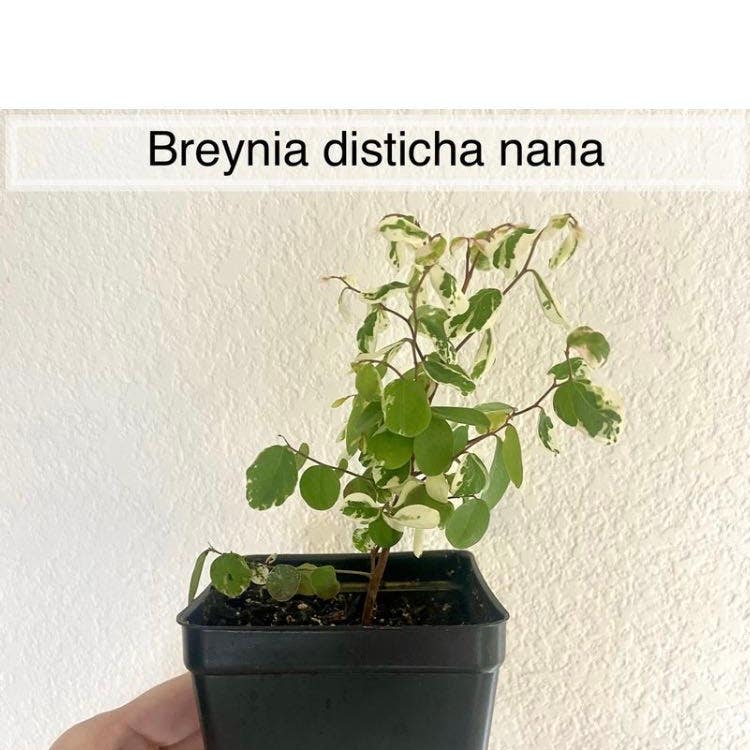
Ultimate Guide to Fixing Brown Spots on Breynia 🩹
Breynia rhynchocarpa
By the Greg Editorial Team
Nov 26, 2024•6 min read
This article was created with the help of AI so we can cover more plants for you. May contain errors. See one? Report it here.
- 🌡️💧 Brown spots indicate environmental stress; maintain 50-70% humidity and 65°F-85°F temperatures.
- 🚰 Overwatering causes root rot, while underwatering leads to dry leaves. Balance is key!
- 🐜 Pest infestations like spider mites cause damage; check for webbing and sticky residue.
Causes of Brown Spots on Leaves
🌡️ Environmental Stress Factors
Brown spots on Breynia leaves often signal environmental stress. Temperature fluctuations and humidity levels play a crucial role in your plant's health.
Maintaining ideal humidity levels between 50-70% is essential. If the air is too dry or too humid, your Breynia may show signs of distress.
💧 Watering Issues
Watering practices can make or break your plant's vitality. Overwatering can lead to root rot, while underwatering causes leaves to dry out and develop brown spots.
To strike the right balance, ensure your soil is well-draining and monitor moisture levels closely. Adjust your watering schedule based on the season and environmental conditions.
🐜 Pest Infestations
Pests like spider mites and aphids can wreak havoc on your Breynia. These tiny invaders suck the sap from leaves, leading to discoloration and browning.
Look for signs of infestation, such as webbing or sticky residue on leaves. Early detection is key to preventing further damage.
🌱 Nutrient Deficiencies
A lack of essential nutrients can also cause brown spots. Common deficiencies include nitrogen, potassium, and magnesium, which are vital for healthy leaf development.
Symptoms often manifest as yellowing leaves or stunted growth. Conducting a soil test can help identify nutrient levels and guide your fertilization efforts.
Understanding these causes is the first step toward restoring your Breynia's health. Next, we'll explore how to diagnose the specific issues affecting your plant.
Diagnosing the Problem
🌍 Environmental Factors
To properly diagnose brown spots on your Breynia, start by assessing environmental factors. The ideal humidity levels for these plants range from 50% to 70%.
Temperature is equally crucial. Breynia thrive best in a temperature range of 65°F to 85°F (18°C to 29°C). If your plant shows signs of wilting, leaf drop, or browning, it may be experiencing environmental stress.
🐜 Common Pests
Next, consider the possibility of pest infestations. Spider mites and aphids are common culprits that can wreak havoc on your Breynia's health.
Look for telltale signs of these pests, such as webbing, sticky residue on leaves, and curling foliage. Early identification is key to preventing further damage.
🥦 Nutrient Deficiencies
Nutrient deficiencies can also lead to brown spots. The most common deficiencies in Breynia are nitrogen, potassium, and magnesium.
Symptoms of these deficiencies include yellowing leaves, stunted growth, and, of course, those pesky brown spots. Conducting a soil test can help you determine nutrient levels and guide your fertilization efforts.
By diagnosing these issues accurately, you can take the necessary steps to restore your Breynia to its vibrant self. Next, let’s explore effective treatment options to tackle these problems head-on.
Treatment Options
Step-by-Step Guide to Treating Brown Spots 🌱
Identify the Cause: Start by determining whether the brown spots are due to environmental stress, pest infestations, or nutrient deficiencies. This is crucial for effective treatment.
Adjust Watering Practices: Ensure your Breynia has well-draining soil and maintain proper moisture levels. This is an easy fix that can significantly improve plant health.
Apply Pest Control Methods: If pests are the culprit, use insecticidal soap or neem oil. These methods are moderately difficult but essential for managing infestations.
Fertilize: Use a balanced fertilizer to address any nutrient deficiencies. This will help restore your plant's vigor and color.
Monitor Recovery: Keep an eye on your plant for signs of recovery, such as new growth and improved leaf health. This will help you gauge the effectiveness of your treatment.
Recommended Products for Pest Control 🛡️
Insecticidal Soap: This is effective against soft-bodied insects. Apply it every 7-14 days until the infestation is under control.
Neem Oil: Known for its multiple benefits, neem oil can disrupt pest life cycles. Use it every 2-3 weeks for best results.
Organic Pest Control Options: Consider introducing beneficial insects like ladybugs. They can help keep pest populations in check naturally.
Adjusting Watering Practices 💧
Watering Frequency: Adjust your watering schedule based on environmental conditions. Typically, Breynia prefers to dry out slightly between waterings.
Signs of Overwatering: Watch for yellowing leaves and root rot, which indicate too much water. This can be detrimental to your plant's health.
Signs of Underwatering: If you notice dry, crispy leaves or wilting, it’s time to increase your watering frequency. Proper hydration is key to a thriving Breynia.
By following these treatment options, you can effectively address brown spots on your Breynia and promote a healthier plant. Next, let’s explore preventive measures to keep your plant thriving long-term.
Preventive Measures
Best Practices for Care 🌱
To keep your Breynia healthy, regularly check humidity levels and adjust as necessary. Aim for a humidity range of 50-70% to create a thriving environment.
Using well-draining soil is crucial. Choose pots with drainage holes to prevent water from pooling, which can lead to root rot.
Implementing a consistent watering schedule is key. Water your plant when the top inch of soil feels dry, ensuring it receives the right amount of moisture without overdoing it.
Seasonal Care Tips 🌦️
Adjusting care during different seasons is essential for your plant's health. In winter, Breynia may enter dormancy, requiring less water and minimal fertilization.
During the summer, your plant will likely thrive and need more attention. Protect it from cold drafts and extreme heat to maintain its vibrant health.
By following these preventive measures, you can significantly reduce the risk of brown spots and ensure your Breynia remains a stunning addition to your space. Next, let’s explore how to monitor and maintain your plant for ongoing health.
Monitoring and Maintenance
Regular Checks for Pests and Diseases 🐛
To keep your Breynia healthy, conduct bi-weekly inspections. Look for early signs of pests or diseases, such as discoloration, webbing, or sticky residue.
Identifying common pests like spider mites and aphids is crucial. Their presence can lead to significant leaf damage if not addressed promptly.
Maintaining Optimal Soil Conditions 🌱
Soil composition plays a vital role in your plant's health. Well-draining soil prevents waterlogging, which can lead to root rot and other issues.
Consider using soil amendments like perlite or peat moss. These materials enhance drainage and aeration, creating a healthier environment for your Breynia.
Signs of Recovery and Ongoing Care 🌼
Watch for indicators of improved leaf health, such as new growth and vibrant color. These signs suggest your plant is bouncing back from previous stressors.
Continue monitoring your plant regularly to ensure long-term health. Consistent care will help your Breynia thrive and flourish in its environment.
⚠️ Safety First
This content is for general information and may contain errors, omissions, or outdated details. It is not medical, veterinary advice, or an endorsement of therapeutic claims.
Always consult a qualified healthcare professional before using any plant as food, medicine, or supplement.
Never eat any plant (or feed one to pets) without confirming its identity with at least two trusted sources.
If you suspect poisoning, call Poison Control (800) 222-1222, the Pet Poison Helpline (800) 213-6680, or your local emergency service immediately.
Spotted an error? Please report it here.
Revitalize your Breynia and banish those brown spots with Greg's tailored care tips 🌱, ensuring your plant thrives through personalized watering reminders and effective pest management!