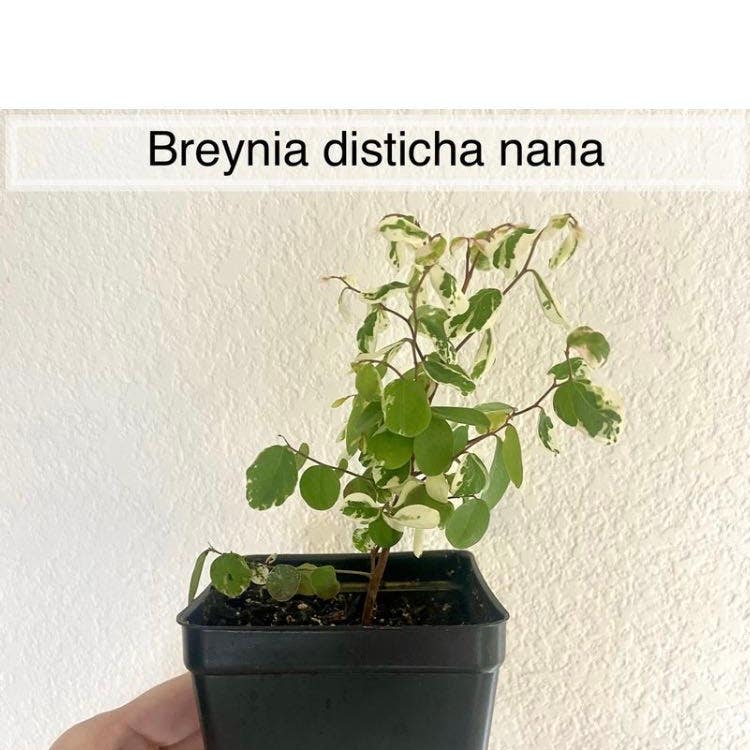
7 Outdoor Care Hacks for Breynia ☀️
Breynia rhynchocarpa
By the Greg Editorial Team
Nov 26, 2024•6 min read
This article was created with the help of AI so we can cover more plants for you. May contain errors. See one? Report it here.
- ☀️ Breynia needs 4-6 hours of sunlight daily for optimal growth.
- 🌬️ Wind protection is vital; plant in sheltered areas or use windbreaks.
- 💧 Water consistently every 2-3 days; adjust for signs of over or underwatering.
Sunlight and Location
Ideal sunlight conditions 🌞
Breynia thrives best in full sun to partial shade, requiring about 4 to 6 hours of direct sunlight daily. Insufficient sunlight can lead to stunted growth and dull leaf coloration, which can be disheartening for any gardener.
Choosing the right location for planting 🏡
When selecting a planting location, consider the proximity to structures, trees, and other plants. Avoid shaded areas and wind tunnels to ensure your Breynia receives the light and protection it needs to flourish.
Proximity to Structures and Trees 🌳
Positioning your Breynia too close to buildings or large trees can create unwanted shade. This can hinder its growth and overall health, so aim for an open area that allows for ample sunlight.
Wind Protection 🌬️
Wind can be a silent enemy for your plants. Planting in sheltered areas or using windbreaks can help protect your Breynia from harsh gusts that may damage its leaves and hinder growth.
By ensuring your Breynia has the right sunlight and location, you set the stage for a vibrant and healthy plant. Next, let’s dive into the watering requirements to keep your Breynia thriving.
Watering Requirements
Frequency and amount of watering 🌧️
Breynia thrives with a consistent watering schedule. Aim to water every 2-3 days during dry spells to keep the soil adequately moist.
Maintaining ideal soil moisture is crucial. The goal is to keep the soil consistently moist but not waterlogged, as excess water can lead to root issues.
Signs of overwatering and underwatering 🚰
Recognizing the signs of overwatering is essential for Breynia care. Look for yellowing leaves, root rot, and wilting as clear indicators that your plant is receiving too much water.
On the flip side, underwatering can also harm your plant. Watch for drooping leaves, dry soil, and leaf drop, which signal that your Breynia needs a drink.
By staying attentive to these watering needs, you can ensure your Breynia remains healthy and vibrant. Next, let’s explore the best soil preferences to support its growth.
Soil Preferences
Best soil types 🌱
Breynia thrives in well-draining soil that is rich in organic matter. Loamy or sandy soils are ideal, providing the right balance of moisture retention and drainage.
The soil pH should be slightly acidic to neutral, ideally between 6.0 and 7.0. This range supports optimal nutrient availability for your plant's growth.
Soil amendments and drainage considerations 🚰
To enhance drainage, consider adding compost and perlite to your soil mix. These amendments improve aeration and help maintain the right moisture levels.
Proper drainage is crucial to prevent root rot, a common issue for Breynia. Always ensure your planting area allows excess water to escape, keeping your plant healthy and vibrant.
As you prepare your Breynia's environment, remember that the right soil conditions set the foundation for its growth. Next, let’s explore the fertilization techniques that will nourish your plant further.
Fertilization Techniques
🌱 Recommended fertilizers
When it comes to fertilizing Breynia, choosing the right type is crucial. Opt for balanced NPK fertilizers, like the 10-10-10 variety, or consider slow-release organic options that nourish your plant over time.
Micronutrients play a significant role in Breynia's growth. Calcium and magnesium are essential for robust development, ensuring your plant thrives and maintains vibrant foliage.
📅 Fertilization schedule and methods
Establish a fertilization routine to keep your Breynia healthy. Aim to fertilize every 4-6 weeks during the growing season to provide consistent nourishment.
There are various application methods to consider. You can use top dressing, where you sprinkle the fertilizer on the soil surface, or dilute liquid fertilizers for a more immediate nutrient boost.
With the right fertilization techniques, your Breynia will flourish, setting the stage for a beautiful outdoor display. Next, let’s explore how to protect your plant from weather extremes and pesky pests.
Protection from Weather and Pests
🌦️ Strategies for Weather Protection
When it comes to protecting your Breynia from extreme weather, preparation is key. During heatwaves, using shade cloth or mulch can help retain soil moisture, ensuring your plant stays hydrated and healthy.
Cold weather poses its own challenges. Cover your Breynia with frost cloth or bring it indoors during frost warnings to shield it from freezing temperatures.
Wind can also be detrimental, especially for young plants. Plant your Breynia in sheltered areas or use windbreaks to minimize exposure to harsh gusts.
🐛 Common Outdoor Pests and Control Methods
Pests can quickly become a nuisance for your Breynia. Aphids are a common threat; look for signs like curled leaves or sticky residue. Control them effectively with insecticidal soap, which is both safe and efficient.
Spider mites are another concern. You can identify them by their fine webbing on the leaves. Increasing humidity around the plant can help manage these pests, as they thrive in dry conditions.
Scale insects can be tricky to spot but look for small, raised bumps on stems and leaves. Manual removal or applying horticultural oil can help eliminate these pests and keep your plant thriving.
🦠 Diseases and Prevention Tips
Preventing diseases is crucial for maintaining the health of your Breynia. Root rot often results from overwatering, so ensure proper watering practices and drainage to avoid this issue.
Fungal infections can also plague your plant. To prevent them, focus on improving air circulation and avoid overhead watering, which can create a damp environment conducive to fungi.
By taking these protective measures, you can help your Breynia flourish despite the challenges posed by weather and pests. Next, let’s explore how to adjust your care routine with the changing seasons.
Seasonal Care
🌦️ Seasonal changes and their impact
Each season brings unique challenges and opportunities for your Breynia. In spring, as the plant enters its growth phase, increase watering and fertilization to support robust development.
During the summer, keep a close eye on pests and ensure the soil remains adequately moist. This is crucial for maintaining the plant's health and vibrancy.
As fall approaches, prepare for cooler temperatures by gradually reducing watering. This helps the plant acclimate to the changing environment.
In winter, protect your Breynia from frost by covering it or bringing it indoors if you live in a colder climate. This simple step can make a significant difference in its survival.
🌍 Special considerations for different climate zones
Understanding your climate zone is essential for effective Breynia care. In tropical zones, the plant enjoys year-round growth with minimal protection needed, making it relatively low-maintenance.
Conversely, in temperate zones, frost protection becomes vital. Be prepared to relocate your Breynia indoors during particularly cold spells to ensure its continued health.
🔄 Preparing for seasonal transitions
Adapting your care routine to seasonal changes is key to thriving Breynia. Monitor your plant's health closely and adjust watering and fertilization based on the season's demands.
Being proactive about these transitions not only enhances your plant's growth but also deepens your connection with it. Embrace the seasonal rhythm, and your Breynia will flourish beautifully.
With these seasonal care tips in mind, you’re well-equipped to nurture your Breynia through the year. Next, let’s explore effective protection strategies against weather extremes and pests.
⚠️ Safety First
This content is for general information and may contain errors, omissions, or outdated details. It is not medical, veterinary advice, or an endorsement of therapeutic claims.
Always consult a qualified healthcare professional before using any plant as food, medicine, or supplement.
Never eat any plant (or feed one to pets) without confirming its identity with at least two trusted sources.
If you suspect poisoning, call Poison Control (800) 222-1222, the Pet Poison Helpline (800) 213-6680, or your local emergency service immediately.
Spotted an error? Please report it here.
Nurture your Breynia to thrive outdoors 🌞 by using Greg's tailored watering reminders and expert care tips that adapt to seasonal changes for optimal growth!