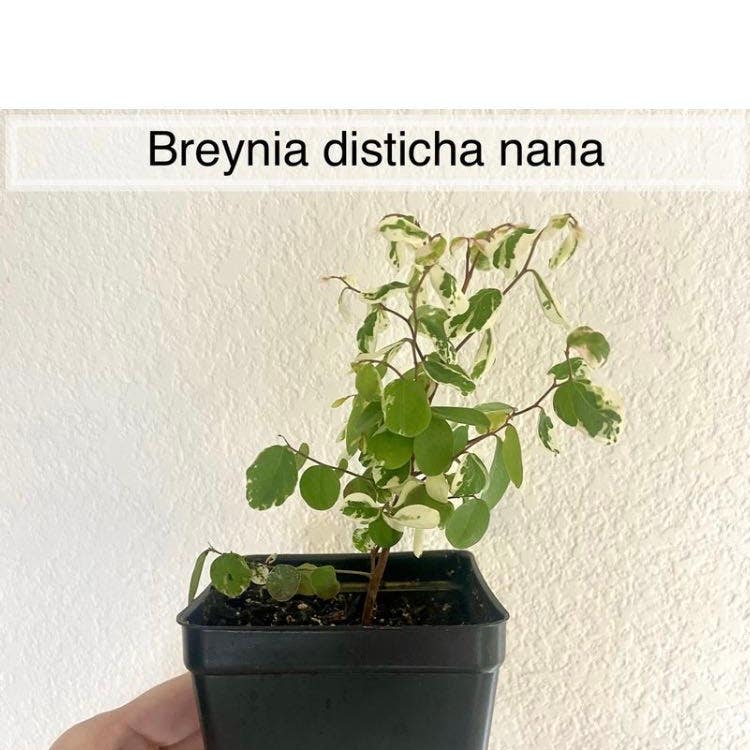
3 Tips for Propagating Your Breynia 🌰
Breynia rhynchocarpa
By the Greg Editorial Team
Nov 26, 2024•6 min read
This article was created with the help of AI so we can cover more plants for you. May contain errors. See one? Report it here.
- 🌱 Use 4-6 inch cuttings during spring for best Breynia propagation results.
- ✂️ Select healthy, non-flowering stems and use sterile scissors to prevent infection.
- 💧 Maintain humidity (70-80%) and warmth (70°F-75°F) for optimal rooting conditions.
Propagation by Cuttings
🌱 Selecting the Right Cuttings
To successfully propagate your Breynia, start by selecting cuttings that are 4-6 inches long. The best time to take these cuttings is during the growing season, specifically from spring to early summer.
Look for firm, non-flowering stems that show no signs of disease or pests. Healthy stems are crucial for a successful propagation experience.
✂️ Preparing Cuttings for Propagation
Next, prepare your cuttings by removing the lower leaves. Trim the leaves from the bottom 2 inches of the cutting to prevent rot, which can hinder root development.
Using sharp, sterile scissors, make clean cuts. This reduces the risk of infection and promotes healthier growth.
🌿 Rooting Hormone Application
Applying rooting hormone can significantly enhance root development and increase your success rates. Before planting, dip the cut end of the cutting into rooting hormone powder or gel.
This simple step can make a big difference in how quickly and effectively your cuttings take root.
🌡️ Ideal Conditions for Rooting Cuttings
For optimal rooting, use a well-draining potting mix, such as a blend of peat and perlite. This ensures that your cuttings have the right environment to thrive.
Maintain high humidity levels around 70-80% by using a humidity dome or plastic bag. Additionally, keep your cuttings in a warm location, ideally between 70°F to 75°F (21°C to 24°C), to encourage healthy root growth.
By following these steps, you'll set your Breynia cuttings up for success. Next, we’ll explore how to propagate your Breynia using leaf cuttings.
Propagation by Leaf Cuttings
🌿 Choosing Healthy Leaves
When propagating Breynia through leaf cuttings, selecting the right leaves is crucial. Opt for mature, healthy leaves that are free from damage or disease to enhance your chances of success.
Larger leaves are particularly beneficial as they store more nutrients, which aids in the rooting process. This extra nutrient reserve can make a significant difference in how well your cuttings thrive.
✂️ Preparing Leaf Cuttings
To prepare your leaf cuttings, slice the leaves into sections, ensuring each piece includes a vein. This vein is essential for rooting, as it provides the necessary pathways for nutrient absorption.
You may also choose to apply rooting hormone to the cut edges. While this step is optional, it can significantly boost root growth and improve your overall success rate.
🌱 Planting and Care for Leaf Cuttings
When planting your leaf cuttings, insert them into the soil about 1 inch deep. This depth helps secure the cuttings while allowing them to access moisture and nutrients.
Watering is key to successful propagation. Keep the soil consistently moist but avoid sogginess; using a spray bottle for gentle watering can help maintain the right moisture level.
Lastly, provide your cuttings with indirect sunlight. This light condition prevents leaf scorch while promoting healthy growth, ensuring your cuttings have the best chance to flourish.
As you embark on this propagation journey, remember that patience is vital. With the right care, your leaf cuttings will soon develop into thriving new plants, ready to be enjoyed in your home or garden. Next, let’s explore water propagation, an easy and effective method for Breynia.
Water Propagation
🌊 Setting Up for Water Propagation
To start your water propagation journey, choose clear glass or plastic containers. This allows you to easily monitor root development as your Breynia cuttings grow.
Next, consider the water quality. Using distilled or rainwater is ideal, as it avoids the chemicals often found in tap water that can hinder root growth.
👀 Monitoring Root Development
During the observation period, expect roots to develop within 2-4 weeks. Keep an eye out for white, healthy roots that are at least 2 inches long before making the transition to soil.
🌱 Transitioning to Soil
Timing is crucial when moving your cuttings to soil. Wait until the roots are well-established, ideally around 2-4 inches long, for the best chance of success.
When you're ready to transition, prepare your soil. A well-draining potting mix is essential to prevent root rot during this critical phase.
With these steps, you’ll be well on your way to successfully propagating your Breynia. Next, let’s explore common challenges you might face during propagation and how to overcome them.
Common Challenges in Propagation
🕵️♂️ Identifying and Solving Propagation Issues
Propagation can sometimes feel like a game of trial and error. Common issues include rotting cuttings, slow root development, and unexpected leaf drop.
To tackle these problems, start by ensuring proper drainage. Overwatering is a primary culprit for rotting cuttings, so make sure your pots have adequate drainage holes.
If you notice your cuttings wilting or drying out, it might be time to adjust the humidity levels. High humidity is crucial for successful propagation, so consider using a humidity dome or plastic bag to create a more favorable environment.
🚀 Tips for Improving Success Rates
Using fresh cuttings is essential for better propagation outcomes. Older cuttings may have reduced viability, which can hinder your success.
Additionally, maintaining consistent environmental conditions is key. Avoid drastic changes in temperature or humidity, as these fluctuations can stress your cuttings and impede their growth.
With these strategies in mind, you’ll be better equipped to navigate the challenges of propagating your Breynia. Next, let’s explore the essential tools and materials that can make your propagation journey smoother.
Tools and Materials for Propagation
✂️ Essential Tools
To start your propagation journey, you'll need a few essential tools. First, grab a pair of sharp, sterile scissors or pruning shears; these will ensure clean cuts that promote healthy growth.
Next, consider using a humidity dome or plastic bags. These items help maintain moisture levels, creating a mini greenhouse effect that encourages rooting.
Lastly, if you're opting for water propagation, clear containers are a must. They allow you to monitor root development easily, ensuring your cuttings are thriving.
🌱 Recommended Soil and Containers
Choosing the right soil is crucial for successful propagation. Aim for a well-draining potting mix, ideally one that combines peat and perlite. This blend provides the aeration and drainage your cuttings need to flourish.
When it comes to containers, small pots or trays with drainage holes are your best bet for soil propagation. They prevent water from pooling, reducing the risk of root rot and giving your plants the best chance to thrive.
With the right tools and materials in hand, you're well on your way to successfully propagating your Breynia. Next, let's explore common challenges you might face during this process and how to overcome them.
⚠️ Safety First
This content is for general information and may contain errors, omissions, or outdated details. It is not medical, veterinary advice, or an endorsement of therapeutic claims.
Always consult a qualified healthcare professional before using any plant as food, medicine, or supplement.
Never eat any plant (or feed one to pets) without confirming its identity with at least two trusted sources.
If you suspect poisoning, call Poison Control (800) 222-1222, the Pet Poison Helpline (800) 213-6680, or your local emergency service immediately.
Spotted an error? Please report it here.
Propagating your Breynia is a breeze 🌱 when you follow these tips, and with Greg's tailored reminders and care plans, you'll ensure your cuttings thrive every step of the way!