How Big Breynia Grows 📏
Breynia rhynchocarpa
By the Greg Editorial Team
Nov 26, 2024•5 min read
This article was created with the help of AI so we can cover more plants for you. May contain errors. See one? Report it here.
- 🌱 Breynia grows 3 to 10 feet tall, adaptable for various garden sizes.
- 🌞 Full sun promotes taller growth, while shade limits height and spread.
- ✂️ Regular pruning is key for size control and healthy growth.
Mature Height and Spread
Typical Dimensions 🌱
Breynia plants can vary significantly in size, with average mature heights ranging from 3 to 10 feet. Their spread typically reaches widths of 3 to 6 feet, making them versatile additions to various garden settings.
Factors Influencing Size 📏
The size of your Breynia largely depends on the variety you choose. Dwarf varieties are compact, reaching only 2 to 3 feet, while giant varieties can soar beyond 10 feet, offering options for both small and expansive landscapes.
Understanding these dimensions and factors can help you select the perfect Breynia for your garden, ensuring it fits your space and aesthetic needs. Next, let’s explore the growth rate and time it takes for these plants to reach their full size.
Growth Rate and Time to Maturity
🌱 Growth Rate
Breynia plants typically showcase a moderate growth rate. Under optimal conditions, some varieties can grow up to 2 feet per year, making them a lively addition to any garden.
⏳ Time to Reach Full Size
Generally, Breynia takes about 3 to 5 years to reach its full size. However, several factors can influence this timeframe, including light availability, water, and nutrient levels, which can either accelerate or slow down growth.
Understanding these growth dynamics can help you plan your garden layout effectively. With the right care, your Breynia can flourish beautifully over the years.
Next, let’s explore how different environmental conditions can impact the size of your Breynia plants.
Size Variability in Different Conditions
🌍 Environmental Influences
The size of Breynia plants can vary significantly based on their growing conditions. Light exposure plays a crucial role; full sun typically encourages taller growth, while partial shade may limit height and spread.
Soil quality is another key factor. Breynia thrives in well-draining, nutrient-rich soil, which supports larger and healthier plants.
💧 Water Availability
Consistent moisture is essential for optimal growth rates. When Breynia receives adequate water, it can flourish, reaching its full potential in both height and spread.
Understanding these environmental influences can help you create the ideal conditions for your Breynia plants. By optimizing light, soil, and water, you can enjoy a vibrant and lush garden.
As we explore the different varieties of Breynia, you'll discover how these factors further influence their growth characteristics.
Dwarf and Giant Varieties
Dwarf Varieties 🌱
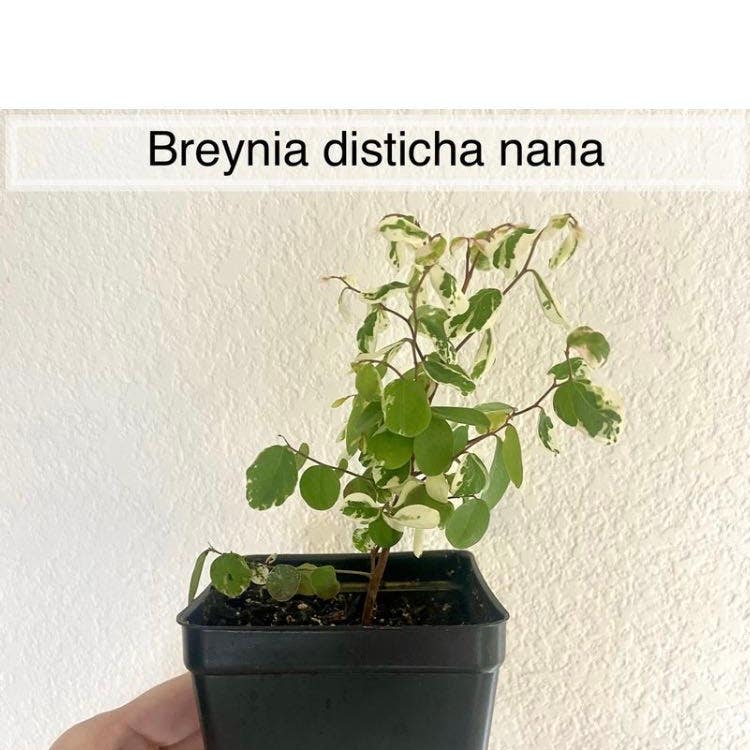
Dwarf Breynia varieties typically reach heights of 2 to 3 feet, making them perfect for smaller gardens or container planting. These compact plants add vibrant greenery without overwhelming limited spaces.
Popular dwarf varieties include Breynia disticha 'Dwarf', known for its lush foliage and manageable size. These plants are ideal for urban gardeners or anyone looking to maximize their space while still enjoying the beauty of Breynia.
Giant Varieties 🌳
On the other end of the spectrum, giant Breynia varieties can exceed 10 feet in height, making them suitable for larger landscapes. These towering plants create a stunning focal point in any garden, providing both shade and visual interest.
Notable giant varieties include Breynia disticha, which showcases impressive growth characteristics and lush foliage. These giants thrive in spacious areas, where they can truly spread their wings and make a statement.
Understanding the differences between dwarf and giant varieties allows gardeners to choose the right Breynia for their specific needs. Whether you're looking to fill a small nook or create a grand landscape, there's a Breynia variety that fits the bill perfectly.
As you consider your options, keep in mind how each variety can enhance your garden's overall aesthetic and functionality. Next, let's explore how environmental factors can influence the size of your Breynia plants.
Pruning Techniques to Control Size
Importance of Pruning 🌱
Pruning is essential for Breynia as it encourages bushiness, controls height, and promotes healthy growth. Regular pruning not only keeps your plant looking neat but also enhances its overall vitality.
Pruning Methods ✂️
Timing ⏰
The best time to prune your Breynia is in early spring, just before new growth begins. This timing helps the plant recover quickly and thrive throughout the growing season.
Techniques ✨
Selective Pruning: Focus on removing leggy or overgrown branches to maintain your desired size. This method helps shape the plant while promoting denser foliage.
Shaping: Trim the plant to encourage a fuller appearance. This technique is particularly useful for creating a more aesthetically pleasing form.
Frequency 📅
Prune your Breynia annually or biannually, depending on its growth rate and your size preferences. Regular maintenance ensures your plant remains healthy and manageable.
Tools and Safety 🛠️
For effective pruning, use sharp pruning shears or loppers. These tools make clean cuts, reducing stress on the plant.
Always prioritize safety by wearing gloves and eye protection while pruning. This precaution helps prevent injuries and keeps your gardening experience enjoyable.
With proper pruning techniques, you can maintain the ideal size and shape of your Breynia, ensuring it flourishes in your garden. Next, let’s explore the fascinating world of dwarf and giant varieties, highlighting their unique characteristics and suitability for different spaces.
⚠️ Safety First
This content is for general information and may contain errors, omissions, or outdated details. It is not medical, veterinary advice, or an endorsement of therapeutic claims.
Always consult a qualified healthcare professional before using any plant as food, medicine, or supplement.
Never eat any plant (or feed one to pets) without confirming its identity with at least two trusted sources.
If you suspect poisoning, call Poison Control (800) 222-1222, the Pet Poison Helpline (800) 213-6680, or your local emergency service immediately.
Spotted an error? Please report it here.
Transform your garden into a vibrant oasis 🌿 with Greg's tailored watering reminders and expert pruning tips to help your Breynia thrive!