✂️ Step-by-Step Guide to Pruning Breynia
Breynia rhynchocarpa
By the Greg Editorial Team
Nov 26, 2024•4 min read
This article was created with the help of AI so we can cover more plants for you. May contain errors. See one? Report it here.
- 🌱 Prune Breynia in late spring for optimal recovery and growth.
- ✂️ Signs of overgrowth include dead branches and poor air circulation—prune accordingly.
- 🧼 Always disinfect tools before pruning to prevent disease spread.
When to Prune
🌱 Best Seasons for Pruning
The best time to prune Breynia is during late spring to early summer, right after the last frost. This timing allows the plant to recover quickly and thrive in the warmer months.
In tropical climates, it's essential to prune during the dry season. This approach minimizes stress on the plant and promotes optimal recovery.
✂️ Signs That Pruning is Needed
Recognizing when to prune is crucial for maintaining a healthy Breynia. An overgrown appearance, characterized by excessive height or width, is a clear indicator that it's time to take action.
Additionally, look for dead or damaged branches, which often appear brown or brittle. Poor air circulation due to dense foliage can also signal the need for pruning, as it may lead to potential disease issues.
🕒 Timing Considerations Based on Climate and Growth Cycle
Adjusting your pruning schedule based on local climate conditions is vital. For instance, if you live in a region with a shorter growing season, you may need to prune earlier to encourage new growth.
Understanding Breynia's growth cycle can further refine your pruning strategy. By aligning your pruning efforts with the plant's natural rhythms, you can ensure it remains healthy and vibrant throughout the year.
With a solid grasp of when to prune, you're well on your way to mastering Breynia care. Next, let’s dive into the practical steps for how to prune effectively.
How to Prune
Pruning Breynia can seem daunting, but with the right approach, it becomes a straightforward task. Here’s a step-by-step guide to help you through the process.
🌱 Step-by-Step Guide to Pruning
Preparing the Plant for Pruning
- Inspect the plant for dead or damaged branches. Look for any signs of distress, such as brown or brittle stems.
- Clean pruning tools with disinfectant. This step is crucial to prevent the spread of diseases.
- Wear gloves for protection. Safety first! Protect your hands from sharp tools and potential irritants.
Techniques for Cutting and Shaping
- Identify the main branches to maintain structure. Focus on the branches that give your plant its shape.
- Use sharp pruning shears for clean cuts. Dull tools can damage the plant and lead to infection.
- Cut at a 45-degree angle just above a leaf node. This technique encourages healthy growth and minimizes stress on the plant.
Removing Dead or Damaged Branches
- Locate branches that are brown or brittle. These are the ones that need to go.
- Cut back to healthy tissue or remove entirely. Ensure you’re not leaving any dead ends that could hinder growth.
- Dispose of cuttings to prevent disease spread. Proper disposal helps keep your garden healthy.
✂️ Specific Methods for Different Varieties
When pruning different varieties of Breynia, specific techniques can enhance their unique characteristics.
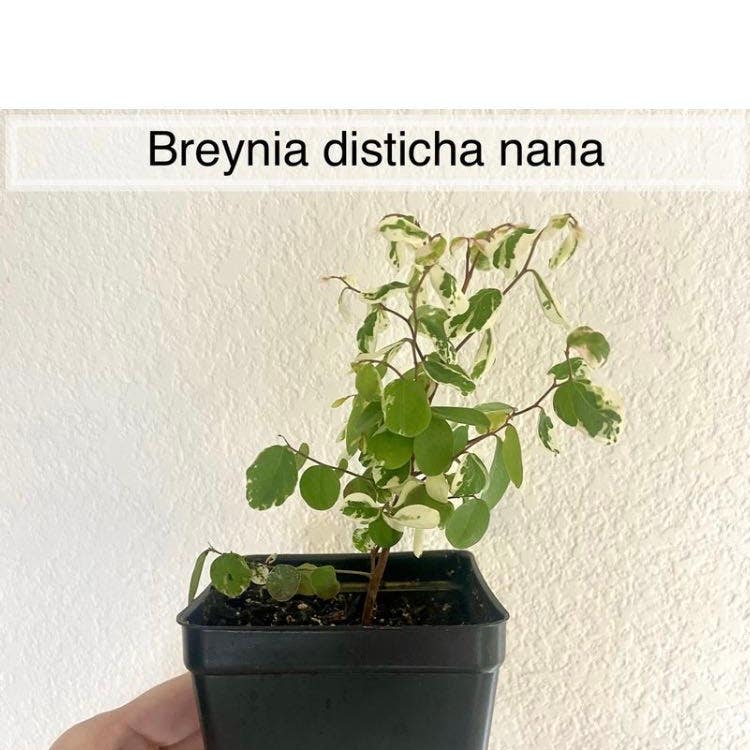
- Focus on maintaining a compact shape for Breynia disticha. This variety thrives with regular shaping.
- Emphasize preserving unique leaf patterns for Breynia nivosa. Take care not to disrupt the aesthetic appeal of its foliage.
With these techniques in hand, you’re well-equipped to tackle pruning like a pro. Next, let’s explore the art of deadheading to keep your Breynia blooming beautifully.
Common Pruning Mistakes
Overview of Common Errors 🌿
Pruning can be a double-edged sword if not done correctly. Two common mistakes are over-pruning, which involves removing too much foliage at once, and incorrect timing, such as pruning during the wrong season.
How to Avoid Over-Pruning ✂️
To prevent over-pruning, follow the one-third rule: never remove more than one-third of the plant at a time. Additionally, regularly assess the plant's health before making any cuts to ensure you're only trimming what’s necessary.
Recognizing Signs of Stress Post-Pruning 😟
After pruning, watch for signs of stress in your Breynia. Symptoms like wilting, leaf drop, and stunted growth indicate that the plant may be struggling.
Actions to Take 🚨
If you notice these symptoms, adjust your care practices accordingly. Monitor the plant closely to support its recovery and ensure it returns to its vibrant self.
Understanding these common mistakes and how to avoid them will help you maintain a healthy, thriving Breynia. Next, let’s explore the benefits and techniques of deadheading to further enhance your plant’s growth.
⚠️ Safety First
This content is for general information and may contain errors, omissions, or outdated details. It is not medical, veterinary advice, or an endorsement of therapeutic claims.
Always consult a qualified healthcare professional before using any plant as food, medicine, or supplement.
Never eat any plant (or feed one to pets) without confirming its identity with at least two trusted sources.
If you suspect poisoning, call Poison Control (800) 222-1222, the Pet Poison Helpline (800) 213-6680, or your local emergency service immediately.
Spotted an error? Please report it here.
Prune your Breynia like a pro ✂️ with Greg's tailored reminders and expert tips, ensuring your plant stays healthy and vibrant all year round!