🌸 How to Get Your Breynia to Bloom
Breynia rhynchocarpa
By the Greg Editorial Team
Nov 26, 2024•5 min read
This article was created with the help of AI so we can cover more plants for you. May contain errors. See one? Report it here.
- 🌞 Adequate sunlight (6-8 hours) is essential for Breynia to bloom beautifully.
- 💧 Watering balance is crucial; both overwatering and underwatering hinder flowering.
- 🌿 Regular pruning promotes new growth, enhancing Breynia's blooming potential.
Flowering Status of Breynia
🌸 Clarification on Flower Production
Breynia is indeed capable of producing flowers, although they tend to be small and often go unnoticed. The flowering habits can vary significantly among different Breynia species, with some showcasing more prominent blooms than others.
🚫 Reasons for Non-Flowering
Several environmental factors can inhibit the flowering of Breynia.
- Insufficient Light: Breynia thrives in bright conditions; lack of adequate sunlight can prevent it from blooming.
- Improper Watering: Both overwatering and underwatering can stress the plant, leading to non-flowering.
- Nutrient Deficiencies: A lack of essential nutrients can hinder the plant's ability to produce flowers.
Understanding these factors is crucial for encouraging your Breynia to bloom. With the right conditions, you can enhance its flowering potential and enjoy its beauty to the fullest.
If Breynia Does Flower
🌼 Flower Characteristics
Description of Flower Colors and Structure
Breynia flowers are often understated yet charming, typically showcasing colors like white, pink, or subtle greenish hues. These blooms form small clusters or spikes that can easily blend into the surrounding foliage, making them somewhat inconspicuous.
Self-Pollination vs. External Pollination
Interestingly, many Breynia varieties possess self-pollinating capabilities, meaning they can produce seeds without needing external pollinators. However, having pollinators around can enhance flower production, leading to a more vibrant display.
🌸 Blooming Process
Stages of Blooming and Typical Bloom Time
The blooming process of Breynia unfolds in several stages: it begins with bud formation, followed by the opening of flowers, and culminates in full bloom. Depending on the species and environmental conditions, the typical bloom time can vary, with seasonal variations influencing peak blooming periods.
Duration from Bud Formation to Full Bloom
From the moment buds appear, it generally takes about 2-4 weeks for Breynia to reach full bloom. This timeframe allows for a gradual and beautiful transition, showcasing the plant's growth.
Lifespan of Flowers
Once in full bloom, Breynia flowers typically last for about 1-2 weeks before wilting. This brief lifespan adds a sense of urgency to appreciate their beauty while they last.
🌱 Encouraging Blooms
Tips to Encourage Breynia to Bloom
To encourage your Breynia to bloom, consider these essential tips:
- Ensure adequate sunlight exposure (6-8 hours daily).
- Maintain consistent watering without waterlogging.
- Fertilize with a balanced fertilizer during the growing season.
- Prune regularly to promote new growth.
Factors Influencing Flowering
Several factors can influence Breynia's flowering, including environmental conditions like temperature, humidity, and soil quality. Additionally, maintaining plant health through effective pest management and disease prevention is crucial for encouraging blooms.
🌿 Post-Flowering
What Happens After the Flowering Period
After the flowering period, Breynia typically enters a recovery phase, where it focuses on growth and rejuvenation. This period often leads to new growth and leaf production, ensuring the plant remains vibrant.
Discussion on Whether Breynia Dies After Flowering
It's a common misconception that Breynia dies after flowering. In reality, these resilient plants continue to thrive and grow, readying themselves for the next blooming cycle.
This understanding of Breynia's flowering habits not only enhances your gardening experience but also deepens your appreciation for this unique plant. Now, let’s explore what happens when Breynia doesn’t flower.
If Breynia Doesn't Flower
🌿 Primary Ornamental or Functional Features
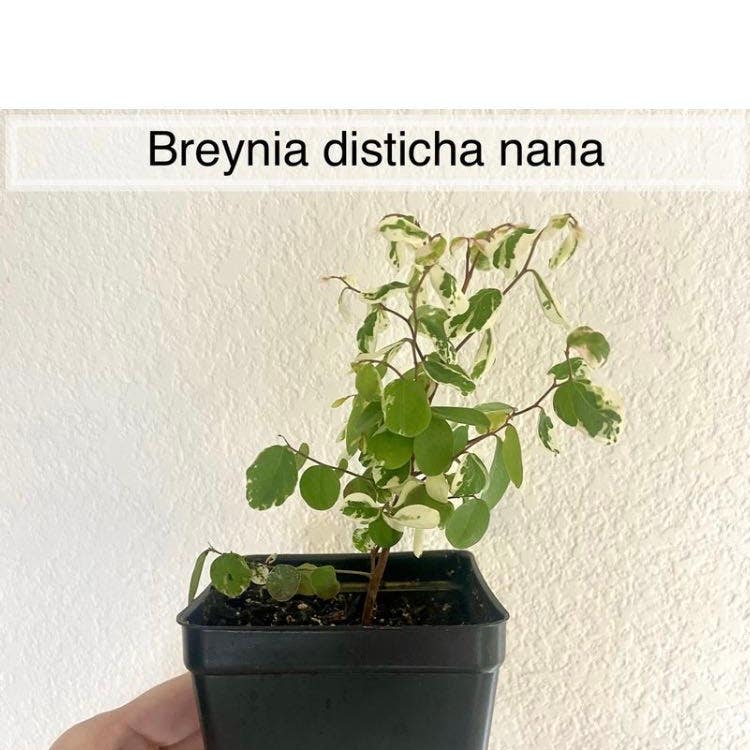
Breynia plants are celebrated for their stunning aesthetic appeal. Their variegated leaves, often showcasing vibrant greens, whites, and pinks, add a splash of color to any garden.
These plants thrive in tropical and subtropical environments, making them a popular choice for adding visual interest. Whether used as a border plant or a focal point, Breynia enhances the beauty of outdoor spaces.
🌱 Reproduction Without Flowers
Explanation of How Breynia Reproduces Without Flowering
Even without flowers, Breynia has impressive reproductive capabilities. It primarily reproduces through vegetative methods, such as cuttings or offsets.
To ensure successful propagation, it's crucial to maintain healthy parent plants. This practice not only supports new growth but also contributes to the overall vitality of your Breynia collection.
In summary, while Breynia may not always bloom, its striking foliage and unique reproduction methods make it a valuable addition to any garden. As we explore further, let's delve into the unique aspects of Breynia that enhance its appeal.
Unique Aspects of Breynia
🌼 Unusual Characteristics Related to Flowering or Non-Flowering Nature
Breynia plants exhibit fascinating growth habits that set them apart in the gardening world. Their ability to thrive in various environments, from tropical to subtropical, showcases their adaptability.
These plants often display vibrant, variegated leaves that can be just as visually striking as their flowers. While some Breynia species may not bloom frequently, their lush foliage provides year-round interest, making them a popular choice for ornamental gardens.
🌱 Interesting Facts or Trivia About Breynia's Reproductive Strategy
Breynia's reproductive strategy is equally intriguing. Many species can reproduce vegetatively, meaning they can grow new plants from cuttings or offsets without the need for flowers.
This ability allows Breynia to flourish even in less-than-ideal conditions. Historically, Breynia has been valued in landscaping for its resilience and aesthetic appeal, making it a beloved choice among gardeners looking to add unique character to their spaces.
In summary, whether through their striking foliage or unique reproductive methods, Breynia plants offer a wealth of interest for both novice and experienced gardeners alike. As we delve deeper into their characteristics, we can appreciate the many ways they contribute to our gardens.
⚠️ Safety First
This content is for general information and may contain errors, omissions, or outdated details. It is not medical, veterinary advice, or an endorsement of therapeutic claims.
Always consult a qualified healthcare professional before using any plant as food, medicine, or supplement.
Never eat any plant (or feed one to pets) without confirming its identity with at least two trusted sources.
If you suspect poisoning, call Poison Control (800) 222-1222, the Pet Poison Helpline (800) 213-6680, or your local emergency service immediately.
Spotted an error? Please report it here.
Encourage your Breynia to bloom beautifully 🌸 by using Greg's tailored reminders for sunlight, watering, and nutrients to ensure your plant thrives and dazzles with its understated flowers!