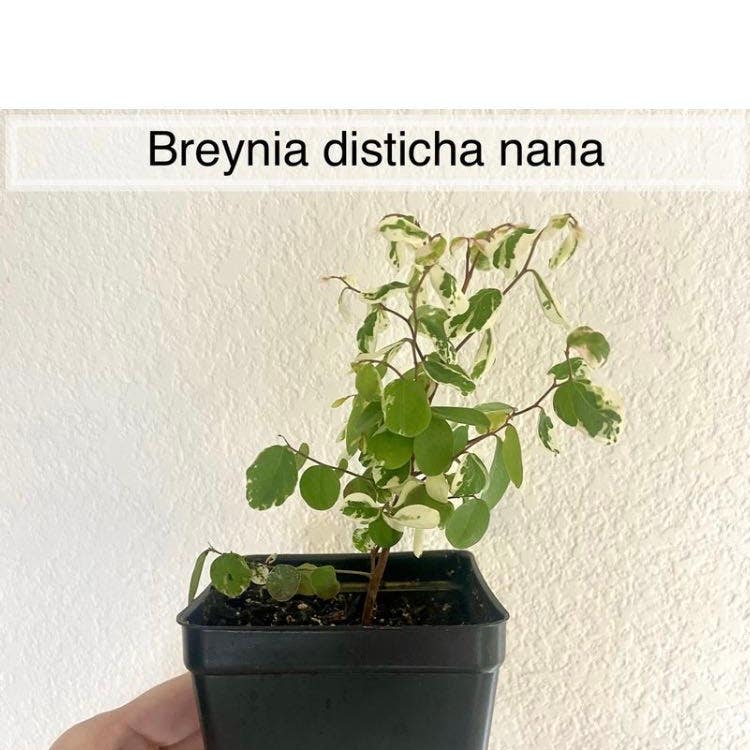
Top 7 Pot Options to Make Your Breynia Thrive 🪴
Breynia rhynchocarpa
By the Greg Editorial Team
Nov 26, 2024•7 min read
This article was created with the help of AI so we can cover more plants for you. May contain errors. See one? Report it here.
- 🌱 Choose the right pot size: 4-14 inches ensures healthy Breynia growth stages.
- 💧 Proper drainage is crucial: Use pots with 3-5 holes to prevent root rot.
- 🌿 Repot in spring: Refresh soil and choose a pot one size larger for thriving plants.
Importance of Pot Size for Growth Stages
🪴 Recommended Pot Sizes for Different Growth Stages
Choosing the right pot size is crucial for the healthy growth of your Breynia. Each growth stage requires specific container dimensions to ensure optimal root development and moisture management.
Seedlings
For seedlings, the ideal container size is 4-6 inches in diameter. This size allows for initial root establishment without the risk of excess soil moisture, which can lead to rot.
Young Plants
As your Breynia matures into a young plant, transition to a pot that is 6-10 inches in diameter. This size provides enough space for root expansion while maintaining a balanced moisture level, essential for healthy growth.
Mature Plants
Once your Breynia reaches maturity, opt for a pot that is 10-14 inches in diameter. This larger size accommodates the shallow root system and prevents crowding, ensuring your plant has room to thrive.
Understanding these pot size recommendations will help you nurture your Breynia effectively. Next, we’ll explore the various pot materials and their impact on plant health.
Pot Materials
🏺 Advantages and Disadvantages of Clay and Plastic Pots
When it comes to choosing pots for your Breynia, the material plays a significant role in plant health.
Clay Pots
Clay pots are a popular choice due to their breathability. This allows air to circulate around the roots, promoting healthy growth.
However, they come with some downsides. Clay pots are heavier and can retain moisture longer than desired, which may lead to overwatering issues.
Plastic Pots
On the other hand, plastic pots are lightweight and easy to handle. They retain moisture well, making them suitable for drier conditions.
Yet, they lack breathability, which can be a concern for root health. Additionally, the environmental impact of plastic is something to consider.
Other Materials
Ceramic pots offer attractive designs and good moisture retention. They can be heavy and more expensive, but their aesthetic appeal is undeniable.
Biodegradable options are eco-friendly and great for seedlings. However, they might not provide the long-term support that more durable materials do.
Choosing the right pot material is crucial for your Breynia's success. Each option has its pros and cons, so consider your plant's needs and your personal preferences carefully.
Next, let's explore the importance of drainage considerations to ensure your Breynia thrives.
Drainage Considerations
🌊 Importance of Drainage Holes
Proper drainage is crucial for the health of your Breynia. Without it, water can accumulate, leading to waterlogging and root rot, which can be detrimental to your plant's growth.
To prevent these issues, ensure your pot has at least 3-5 drainage holes at the bottom. This will allow excess water to escape, keeping the roots healthy and thriving.
🔍 Assessing Drainage in Pots
Before planting, it's essential to assess the drainage capabilities of your pot. Start with a visual inspection to check for drainage holes and evaluate the overall design of the pot.
You can also perform a simple water test. Fill the pot with water and observe how quickly it drains. This will give you a clear idea of whether the pot is suitable for your Breynia.
🛠️ Solutions for Pots Without Drainage Holes
If you find yourself with a pot that lacks drainage holes, don't worry; there are solutions. One effective method is to add a layer of gravel or stones at the bottom of the pot. This helps improve drainage by creating space for excess water to collect.
Alternatively, consider using a pot liner that includes drainage capabilities. This can provide the necessary drainage while still allowing you to use your favorite decorative pot.
By ensuring proper drainage, you set the stage for a healthy and vibrant Breynia. Next, let's explore the signs that indicate it's time to repot your plant for optimal growth.
Repotting Breynia
🚨 Signs That Repotting is Needed
Recognizing when your Breynia needs repotting is crucial for its health. Look for roots growing out of the drainage holes, which indicates that the plant has outgrown its current pot.
Another sign is stunted growth, even when you’re providing proper care. If the soil dries out too quickly, it’s also a clear signal that your plant needs more space to thrive.
🛠️ Best Practices for Repotting
When it’s time to repot, follow these best practices to ensure a smooth transition:
- Choose a pot one size larger than the current pot to give your Breynia room to grow.
- Gently remove the plant, being careful not to damage the roots during the process.
- Refresh the soil with a well-draining potting mix to promote healthy growth.
- Water thoroughly after repotting to help settle the soil around the roots.
⏰ Timing for Repotting
Timing is everything when it comes to repotting. The best time to repot your Breynia is in spring or early summer, during its active growth phase.
Avoid repotting during dormancy or extreme temperature fluctuations, as this can stress the plant and hinder its recovery.
With these tips in mind, your Breynia will be well-equipped to flourish in its new pot. Next, let’s explore how the choice of pot can impact the overall health of your plant.
Impact of Pot Choice on Health
🌱 How Pot Choice Affects Root Development
The choice of pot can significantly influence root growth. Shallow pots promote lateral root development, which is particularly beneficial for Breynia, allowing the roots to spread out and access nutrients more effectively.
Conversely, deep pots can create a risk of excess moisture accumulation, leading to root rot. It's crucial to strike a balance between depth and width to ensure healthy root systems.
📏 Effects of Pot Size on Nutrient Absorption
Pot size plays a vital role in nutrient availability. Larger pots offer more soil volume, which enhances nutrient absorption and supports robust plant growth.
On the other hand, smaller pots can lead to quicker nutrient depletion. This can stunt growth and affect the overall health of your Breynia if not monitored closely.
🧱 Relationship Between Pot Material and Moisture Retention
The material of your pot also impacts moisture retention. Clay pots are known for their breathability and allow for faster evaporation, making them ideal for humid environments where excess moisture can lead to problems.
In contrast, plastic pots retain moisture longer, which can be advantageous in drier conditions. Choosing the right material based on your environment is essential for maintaining optimal moisture levels for your Breynia.
Understanding the impact of pot choice on your plant's health is crucial for fostering a thriving Breynia. Next, let’s explore some practical tips for selecting the right pot to ensure your plant flourishes.
Tips for Choosing the Right Pot
🏺 Factors to Consider When Selecting a Pot
Choosing the right pot for your Breynia is crucial for its health and growth. Start with the size; it should match the plant's growth stage to ensure adequate space for roots.
Next, consider the material of the pot. Different materials can affect moisture retention and aesthetics, so choose based on your environment and personal style. Lastly, prioritize drainage; pots with adequate drainage holes are essential to prevent waterlogging.
❌ Common Mistakes to Avoid
Avoid the pitfall of selecting pots that are too deep. Deep pots can lead to excess moisture, which is detrimental to your plant's roots.
Also, don't ignore drainage needs; neglecting this can jeopardize root health. Lastly, always consider the plant's growth stage when selecting pot size to ensure optimal conditions.
🛍️ Recommendations for Pot Brands or Styles
When shopping for pots, look for reputable brands known for their quality drainage features. Brands that prioritize functionality will help your Breynia thrive.
Consider decorative options that also serve a purpose, such as self-watering pots. These can add a stylish touch while ensuring your plant gets the moisture it needs.
With these tips in mind, you're well-equipped to choose the perfect pot for your Breynia. Next, let's explore how pot choice impacts the overall health of your plant.
⚠️ Safety First
This content is for general information and may contain errors, omissions, or outdated details. It is not medical, veterinary advice, or an endorsement of therapeutic claims.
Always consult a qualified healthcare professional before using any plant as food, medicine, or supplement.
Never eat any plant (or feed one to pets) without confirming its identity with at least two trusted sources.
If you suspect poisoning, call Poison Control (800) 222-1222, the Pet Poison Helpline (800) 213-6680, or your local emergency service immediately.
Spotted an error? Please report it here.
Ensure your Breynia thrives by selecting the right pot size and material, and let Greg guide you with personalized tips for flourishing plants! 🌱