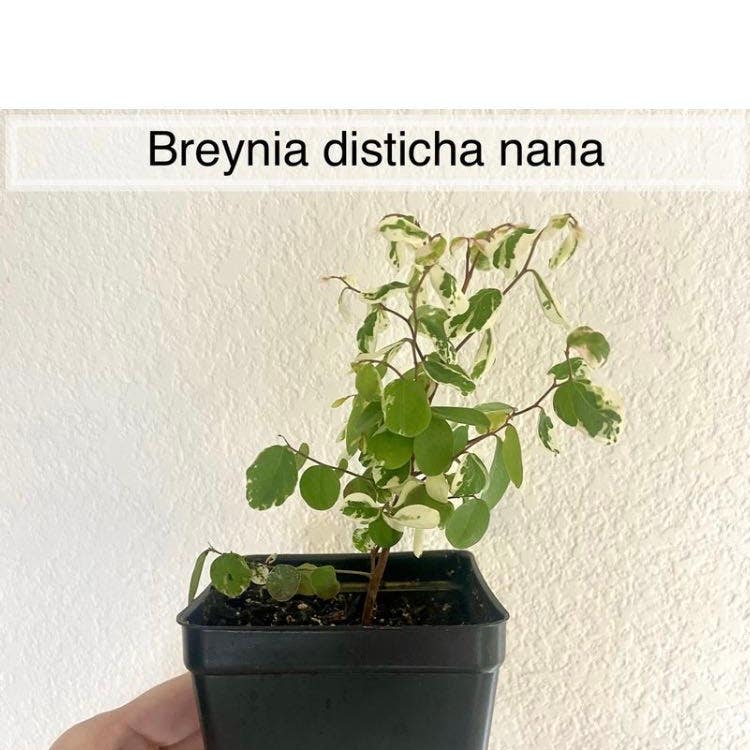
Signs Your Breynia Has Root Rot and How to Fix It 😢
Breynia rhynchocarpa
By the Greg Editorial Team
Nov 26, 2024•5 min read
This article was created with the help of AI so we can cover more plants for you. May contain errors. See one? Report it here.
- 🌱 Yellowing leaves and wilting indicate potential root rot in your Breynia.
- 🕵️♂️ Inspect roots for dark, mushy signs to confirm root rot diagnosis.
- 🧼 Repot in fresh soil and ensure drainage to promote recovery from root rot.
Identifying Symptoms
Visual Signs 🌿
Recognizing the visual signs of root rot in your Breynia is crucial for timely intervention.
Yellowing leaves often signal stress and nutrient deficiencies. If your plant's leaves are losing their vibrant green hue, it’s time to investigate further.
Wilting despite adequate watering can be misleading. This symptom indicates that the roots are struggling to uptake water, often due to decay.
Dark, mushy roots are a clear indicator of decay. When inspecting the root system, look for these telltale signs of rot.
Leaf drop can occur suddenly, particularly with the lower leaves. If you notice leaves falling off unexpectedly, it could be a sign of trouble.
Behavioral Changes 🕵️♀️
In addition to visual symptoms, behavioral changes can also indicate root rot.
Stunted growth is a common issue. If your Breynia is growing slower than usual, it may be a sign that something is amiss.
Leaf discoloration can manifest as variegated leaves losing their vibrant colors. This change often reflects underlying health issues.
Foul odor is a strong warning sign. If you detect a smell of decay coming from the soil or roots, it’s time to take action.
By being vigilant and observing these symptoms, you can catch root rot early and take the necessary steps to save your plant. Next, we’ll explore how to diagnose root rot effectively.
Diagnosing Root Rot
How to Check Roots 🌱
Diagnosing root rot starts with a careful examination of your plant's roots. First, gently remove the plant from its pot, taking care not to damage the roots in the process.
Next, inspect the root system closely. Look for dark, mushy, or slimy roots, which are clear indicators of decay. Healthy roots should be firm and white or light tan in color.
After checking the roots, assess the soil condition. Excessive moisture or compacted soil can contribute to root rot, so ensure the soil isn't overly soggy.
Tools Needed 🛠️
To effectively diagnose and treat root rot, you'll need a few essential tools. Start with clean pruning shears for trimming any affected roots.
A trowel or hand spade will help you remove the plant from its pot without causing damage. Finally, a magnifying glass can be useful for closely examining the health of the roots.
By following these steps and using the right tools, you can accurately diagnose root rot and take the necessary actions to save your Breynia. This proactive approach sets the stage for effective treatment and recovery.
Next, let’s explore how to fix root rot and restore your plant to health.
Fixing Root Rot
🛠️ Step-by-Step Guide
Fixing root rot can be a straightforward process if you follow these steps carefully. Start by removing the plant from its pot, handling it gently to avoid causing any additional damage to the roots.
Next, inspect the root system closely. Trim away any affected roots, cutting back to healthy, firm tissue. This step is crucial as it helps prevent the spread of decay.
Once you've dealt with the roots, it's time to clean the pot. Disinfect it using a diluted bleach solution to eliminate any lingering pathogens that could harm your plant.
Now, repot your Breynia in fresh, well-draining soil. Opt for a mix specifically designed for tropical plants to ensure optimal growth conditions.
Finally, water sparingly after repotting. Allow the soil to dry out between waterings to prevent future issues with root rot.
💊 Recommended Treatments
In addition to the step-by-step guide, consider these recommended treatments to support your plant's recovery. Fungicides can be effective; look for products containing copper or sulfur to combat fungal infections.
Soil amendments are also beneficial. Incorporate perlite or sand into your soil mix to enhance drainage, which is vital for preventing root rot.
Lastly, think about using root stimulants. A rooting hormone can encourage recovery and promote healthy new growth, giving your Breynia the best chance to thrive.
With these steps and treatments, your plant will be on the road to recovery. Next, let’s explore how to prevent root rot from occurring in the first place.
Preventing Root Rot
Best Practices for Watering 🌊
To keep your Breynia thriving, establishing a proper watering schedule is crucial. Always allow the top inch of soil to dry out before watering again to prevent excess moisture.
Watch for signs of overwatering, such as yellowing leaves and soggy soil. These indicators can help you catch potential issues before they escalate.
Soil and Potting Recommendations 🪴
Choosing the right soil mix is essential for preventing root rot. Opt for a well-draining potting mix enriched with organic matter to promote healthy root growth.
When selecting pots, ensure they have drainage holes. This feature helps prevent water accumulation, which can lead to root rot.
Additionally, consider repotting your Breynia every 1-2 years. This practice refreshes the soil and allows you to check the root health, ensuring your plant remains robust and vibrant.
By following these preventive measures, you can significantly reduce the risk of root rot and keep your Breynia flourishing. Next, let’s explore long-term care strategies to maintain your plant’s health.
Long-term Care
🕵️♂️ Monitoring for Signs of Distress
Regular inspections are crucial for maintaining your Breynia's health. Keep an eye out for leaf discoloration and check the root system periodically to catch any issues early.
🌦️ Seasonal Care Adjustments
💧 Humidity Control
In dry seasons, your Breynia may need a little extra love. Use a humidifier or place pebble trays filled with water near the plant to boost humidity levels.
☀️ Light Management
Ensure your plant receives adequate bright, indirect light throughout the year. This will help maintain its vibrant colors and promote healthy growth.
🌱 Fertilization Schedule
During the growing season, feed your Breynia with a balanced fertilizer. This will provide essential nutrients and support robust growth, keeping your plant thriving.
By following these long-term care practices, you can help your Breynia flourish and avoid the pitfalls of root rot. With consistent attention and the right conditions, your plant will reward you with its beauty for years to come.
⚠️ Safety First
This content is for general information and may contain errors, omissions, or outdated details. It is not medical, veterinary advice, or an endorsement of therapeutic claims.
Always consult a qualified healthcare professional before using any plant as food, medicine, or supplement.
Never eat any plant (or feed one to pets) without confirming its identity with at least two trusted sources.
If you suspect poisoning, call Poison Control (800) 222-1222, the Pet Poison Helpline (800) 213-6680, or your local emergency service immediately.
Spotted an error? Please report it here.
Keep your Breynia thriving 🌿 by using Greg's personalized care tips and watering reminders to prevent root rot and ensure vibrant growth!