Managing Direct Sunlight for Your Breynia ☀️
Breynia rhynchocarpa
By the Greg Editorial Team
Nov 26, 2024•5 min read
This article was created with the help of AI so we can cover more plants for you. May contain errors. See one? Report it here.
- 🌞 Breynia thrives in bright, indirect light; direct sunlight can cause damage.
- 🪟 East-facing windows are ideal for gentle morning light; avoid south and west.
- 📱 Use apps like Greg to track light exposure and ensure optimal plant health.
Definition of Direct vs. Indirect Sunlight
🌞 What is Direct Sunlight?
Direct sunlight is sunlight that reaches a plant without any barriers. This means the light shines straight onto the leaves, whether the plant is outside or near a window.
For a kid-friendly perspective, think about standing outside on a sunny day. The sun shines directly on you, and you can feel its warmth—that's what direct sunlight feels like for your plants!
🌥️ What is Indirect Sunlight?
Indirect sunlight, on the other hand, is light that has been diffused or reflected. This means the sunlight doesn't hit the plant directly but still provides enough light for growth.
To explain it simply, imagine being in a room with drawn curtains. You can see light filtering in, but it’s not shining directly on you. That’s the essence of indirect sunlight for your Breynia!
Breynia's Sunlight Tolerance
🌞 Can Breynia Tolerate Direct Sunlight?
Breynia plants thrive best in bright, indirect light. They are quite sensitive to direct sunlight, which can lead to stress and damage.
While some Breynia varieties might handle brief moments of direct sunlight, prolonged exposure is not advisable. It's essential to protect these plants to ensure they flourish.
🔥 Effects of Too Much Direct Sunlight on Breynia
Excessive direct sunlight can lead to several issues for Breynia. One of the most common signs is leaf burn, characterized by browning edges and crispy leaves.
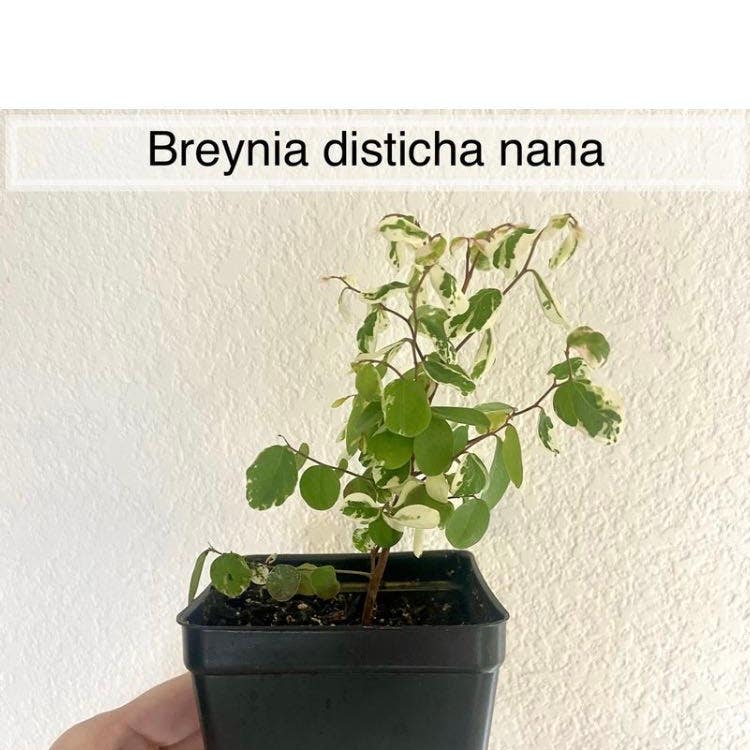
Additionally, you may notice fading colors in the plant's variegated patterns. This loss of vibrancy is a clear indicator that the plant is receiving too much light.
Stunted growth is another consequence of overexposure. When Breynia is subjected to harsh sunlight, its overall health and development can suffer significantly.
Understanding these effects is crucial for maintaining a healthy Breynia. By monitoring sunlight exposure, you can help your plant thrive and enjoy its beautiful foliage.
As we explore the best window placements for Breynia, remember that the right light conditions are key to its success.
Window Direction and Sunlight
🌞 How Window Direction Affects Sunlight Exposure
The direction your window faces plays a crucial role in how much sunlight your Breynia receives.
South-facing windows: These windows soak up the most direct sunlight all day long. While this is great for sun-loving plants, it can be detrimental to Breynia, which prefers less intense light.
East-facing windows: These offer gentle morning sunlight, making them a better option for Breynia, especially if you provide some protection from the harsh midday rays.
West-facing windows: Expect strong afternoon sunlight here. This intensity can be too much for Breynia, leading to potential damage.
North-facing windows: Typically, these windows provide only indirect light. This makes them a safe haven for your Breynia, ensuring it thrives without the risk of sunburn.
🪴 Best Window Placements for Breynia
For optimal growth, position your Breynia near east or north-facing windows.
This placement ensures it receives bright, indirect light, which is ideal for its health.
If you must place your plant near south or west-facing windows, consider using sheer curtains or blinds. This will help filter the direct sunlight, protecting your Breynia from potential harm.
By paying attention to window direction and light exposure, you can create a nurturing environment for your Breynia to flourish.
Next, let’s explore how geographic considerations can further impact your plant’s sunlight exposure.
Geographic Considerations
🌍 Impact of Hemisphere on Sunlight Intensity
Sunlight intensity varies significantly between the Northern and Southern Hemispheres. In the Northern Hemisphere, summer months bring stronger sunlight, which means your Breynia may require extra protection to prevent leaf burn.
In the Southern Hemisphere, similar variations occur based on local climate. Understanding these differences is crucial for providing the right care for your plant.
☀️ Seasonal Variations in Sunlight Exposure
As the seasons change, so do daylight hours. During summer, longer days may necessitate adjustments in your Breynia's placement to avoid excessive direct sunlight.
Additionally, the angle of sunlight shifts with the seasons. This change affects how much direct light your Breynia receives, making it essential to monitor its environment regularly.
By staying aware of these geographic and seasonal factors, you can ensure your Breynia thrives all year round. Next, let’s explore practical tips for plant parents to help you recognize how your Breynia reacts to sunlight.
Practical Tips for Plant Parents
🌞 Signs of Breynia Reacting to Sunlight
Breynia plants can be quite sensitive to their light conditions. Keep an eye out for leaf burn, which manifests as crispy, brown edges or spots on the leaves.
Additionally, watch for color changes. If the vibrant hues of your Breynia start to fade or become dull, it may be a sign of too much direct sunlight.
Lastly, monitor growth patterns. Stunted or leggy growth can indicate that your plant is either not getting enough light or is suffering from excessive direct sunlight.
🔄 Adjusting Breynia's Position Based on Sunlight Changes
To keep your Breynia thriving, regularly monitor light conditions, especially as seasons change.
If you notice any signs of stress, it might be time to move your plant to a more suitable location with better light conditions.
Consider using the Greg plant care app for helpful reminders to check light exposure and make adjustments as needed. This proactive approach will help ensure your Breynia stays healthy and vibrant.
By being attentive to your plant's needs, you can create an ideal environment for it to flourish. Next, let's explore how geographic considerations can further impact your Breynia's sunlight exposure.
⚠️ Safety First
This content is for general information and may contain errors, omissions, or outdated details. It is not medical, veterinary advice, or an endorsement of therapeutic claims.
Always consult a qualified healthcare professional before using any plant as food, medicine, or supplement.
Never eat any plant (or feed one to pets) without confirming its identity with at least two trusted sources.
If you suspect poisoning, call Poison Control (800) 222-1222, the Pet Poison Helpline (800) 213-6680, or your local emergency service immediately.
Spotted an error? Please report it here.
Keep your Breynia thriving 🌱 by using Greg's light tracking features to adjust its placement for optimal growth and prevent sunburn!