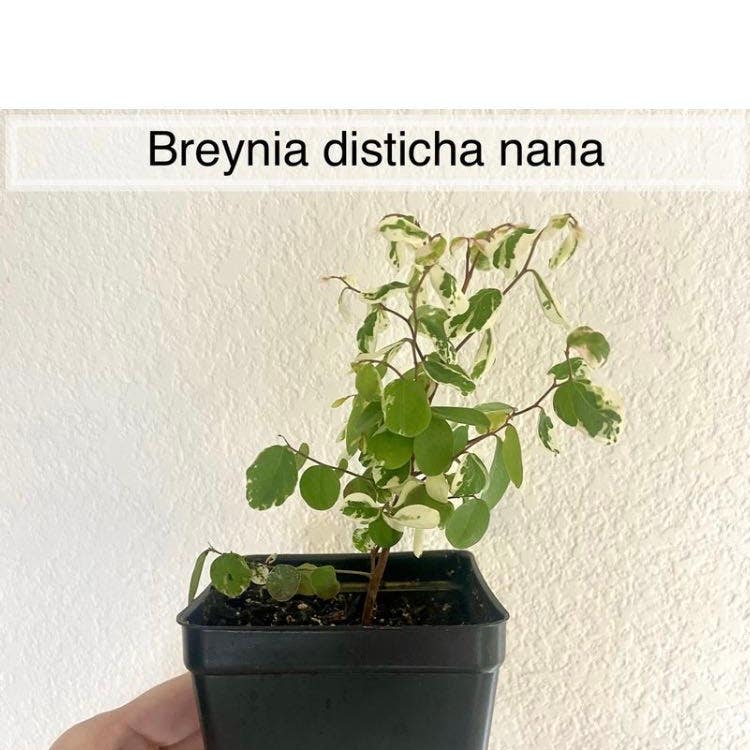
Why Breynia Leaves Turn Yellow 🍂
Breynia rhynchocarpa
By the Greg Editorial Team
Nov 26, 2024•5 min read
This article was created with the help of AI so we can cover more plants for you. May contain errors. See one? Report it here.
- 🌱 Yellowing leaves indicate issues like nutrient deficiencies, pests, or environmental stress.
- 💧 Overwatering or underwatering leads to yellowing; adjust watering practices accordingly.
- 🌞 Bright, indirect light is essential; insufficient light causes yellowing and leggy growth.
Causes of Yellowing Leaves
🌱 Nutrient Deficiencies
Nitrogen Deficiency
Nitrogen deficiency is a common issue that manifests as a general yellowing of older leaves and stunted growth. This nutrient is essential for chlorophyll production, which is vital for the plant's overall vigor and health.
Iron Deficiency
Iron deficiency presents itself through yellowing between leaf veins, known as interveinal chlorosis, particularly noticeable in new growth. Iron plays a crucial role in photosynthesis and enzyme function, making it indispensable for healthy plant development.
💧 Watering Issues
Overwatering
Overwatering can lead to yellowing leaves, wilting, and even root rot. This problem often arises from poor drainage or excessive watering frequency, which suffocates the roots.
Underwatering
On the flip side, underwatering results in dry, crispy leaves, yellowing, and drooping. This typically occurs due to infrequent watering or dry soil conditions, stressing the plant.
🐛 Pests and Diseases
Common Pests Affecting Breynia
Aphids are notorious for leaving sticky residue and curling leaves, while spider mites create fine webbing and cause stippled leaves. Both pests can significantly impact the health of your Breynia.
Fungal Infections
Fungal infections, such as powdery mildew and root rot, can also lead to yellowing leaves and wilting. You might notice fungal growth on the soil surface, indicating a more serious issue.
🌡️ Environmental Stress
Temperature Fluctuations
Breynia thrives in temperatures ranging from 65°F to 80°F (18°C to 27°C). Extreme heat or cold can cause stress, leading to yellowing leaves as the plant struggles to adapt.
Humidity Levels
Ideal humidity for Breynia is between 50% and 70%. Low humidity can result in leaf curling, yellowing, and browning tips, signaling that your plant needs a more humid environment.
Light Exposure
Bright, indirect light is best for Breynia. Insufficient light can cause yellowing leaves and leggy growth, as the plant stretches toward the light source.
Understanding these causes is crucial for diagnosing and treating yellowing leaves effectively. By addressing nutrient deficiencies, watering issues, pests, diseases, and environmental stressors, you can help your Breynia thrive.
Diagnosing Yellow Leaves
Identifying Symptoms 🌼
When your Breynia leaves start to turn yellow, it's crucial to pay attention to the visual signs. Look for changes in color, texture, and the overall appearance of the plant.
Early detection is key. Catching these symptoms promptly can prevent further damage and promote a quicker recovery.
Assessing Plant Health 🌱
To assess your plant's health, start by checking the soil moisture. You can use a moisture meter or simply stick your finger into the soil to gauge its dampness.
Next, observe the growth patterns. Compare new growth with older leaves to identify any discrepancies that could indicate underlying issues.
Differentiating Between Causes 🔍
Analyzing the symptoms is essential for diagnosing the problem accurately. Match the visual signs you see with potential causes of yellowing leaves.
A systematic approach is vital. This ensures you accurately diagnose the issue, leading to effective treatment and a healthier plant.
Treating Yellow Leaves
🌱 Nutrient Supplementation
To revive your Breynia, start with nutrient supplementation. Balanced NPK fertilizers and slow-release options are ideal for providing essential nutrients.
Apply these fertilizers every 4-6 weeks during the growing season. This routine will help ensure your plant receives the nourishment it needs to thrive.
💧 Adjusting Watering Practices
Proper watering is crucial for healthy leaves. Understanding the signs of overwatering and underwatering can make all the difference.
Signs of Overwatering vs. Underwatering
Overwatering typically manifests as yellowing leaves, wilting, and soggy soil. If you notice these symptoms, it’s time to reassess your watering habits.
On the other hand, underwatering leads to yellowing, dry soil, and crispy leaves. If your Breynia is showing these signs, increase your watering frequency.
🐛 Pest Control Methods
Pests can wreak havoc on your plant's health, so it's essential to address any infestations promptly. There are both organic and chemical options available for pest control.
Organic Options
Consider using neem oil, insecticidal soap, or diatomaceous earth. These natural solutions are effective and less harmful to the environment.
Chemical Options
For severe infestations, systemic insecticides may be necessary. Use these sparingly and follow the manufacturer's instructions to minimize any negative impact on your plant.
🌍 Environmental Adjustments
Creating the right environment is key to preventing yellow leaves. Start by improving light conditions for your Breynia.
Improving Light Conditions
If your plant isn’t getting enough light, move it to a brighter location or consider using grow lights. Bright, indirect light is essential for healthy growth.
Managing Humidity and Temperature
Humidity and temperature play significant roles in plant health. Use humidifiers or pebble trays to increase humidity around your Breynia.
Additionally, maintain stable temperatures by keeping your plant away from drafts or heat sources. This will help create a more favorable environment for growth.
With these treatment strategies, your Breynia can bounce back from yellowing leaves. Next, let’s explore how to prevent yellow leaves from occurring in the first place.
Preventing Yellow Leaves
🧹 Regular Maintenance Tips
To keep your Breynia thriving, routine checks for pests and diseases are essential. Inspect your plant regularly to catch any issues early, ensuring a healthy environment.
Establishing a consistent watering schedule based on soil moisture is equally important. This practice helps prevent both overwatering and underwatering, which are common culprits behind yellowing leaves.
🌦️ Seasonal Care Considerations
As seasons change, so should your care practices. During winter months, reduce watering frequency since plants typically need less moisture.
Prepare for seasonal changes in light and temperature by adjusting your plant's location. Moving your Breynia to a brighter spot can help it adapt to shorter days.
🌱 Best Practices for Breynia Care
Using well-draining soil is crucial for Breynia health. This prevents water from pooling around the roots, which can lead to root rot.
Choose an appropriate pot size to allow for healthy root growth. Regularly fertilizing your plant and monitoring environmental conditions will also contribute to its overall vigor.
By following these preventive measures, you can enjoy a lush, vibrant Breynia free from the worry of yellowing leaves. Next, let’s dive into diagnosing yellow leaves to ensure you can identify any issues promptly.
⚠️ Safety First
This content is for general information and may contain errors, omissions, or outdated details. It is not medical, veterinary advice, or an endorsement of therapeutic claims.
Always consult a qualified healthcare professional before using any plant as food, medicine, or supplement.
Never eat any plant (or feed one to pets) without confirming its identity with at least two trusted sources.
If you suspect poisoning, call Poison Control (800) 222-1222, the Pet Poison Helpline (800) 213-6680, or your local emergency service immediately.
Spotted an error? Please report it here.
Revive your yellowing Breynia leaves with Greg's tailored care tips 🌱, ensuring you tackle nutrient needs and watering issues for a thriving plant!