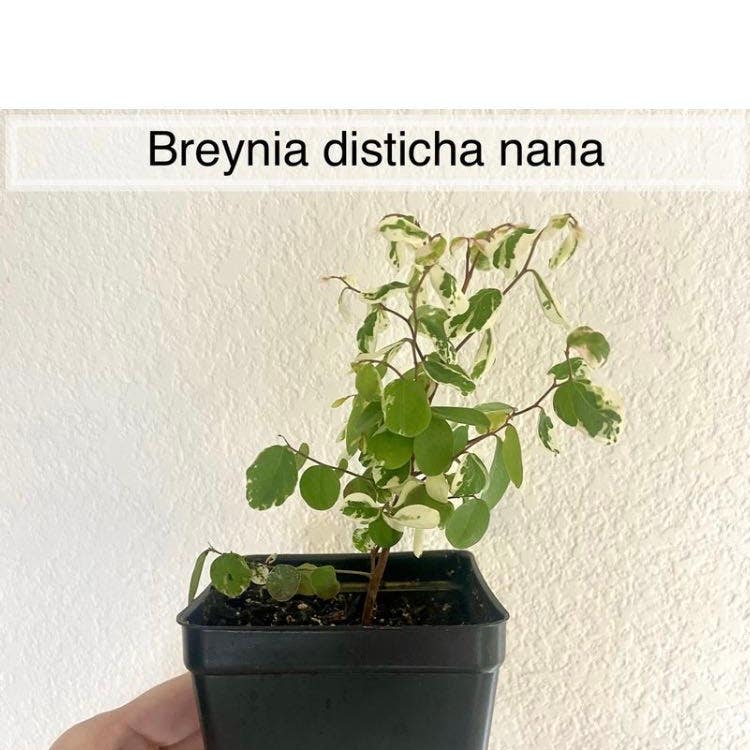
How Often to Water Your Breynia 💧
Breynia rhynchocarpa
By the Greg Editorial Team
Nov 26, 2024•4 min read
This article was created with the help of AI so we can cover more plants for you. May contain errors. See one? Report it here.
- 💧 Over-watering causes yellow leaves and root rot; monitor moisture levels closely.
- 🌿 Under-watering leads to drooping leaves; act quickly to revive your Breynia.
- 📱 Use apps or moisture meters for precise watering schedules and plant health.
Recognizing Watering Issues
🚰 Signs of Over-Watering
Over-watering can be detrimental to your Breynia. Look for yellowing leaves, which indicate stress from excess moisture.
If your plant is wilting despite wet soil, it may be a sign that the roots are suffocating. Inspect the roots for rot; dark, mushy roots are a clear warning sign. Additionally, a foul odor from the soil often indicates decay, signaling that your plant is in trouble.
💧 Signs of Under-Watering
On the flip side, under-watering presents its own set of challenges. Drooping leaves are a telltale sign that your plant is lacking moisture.
Crispy leaf edges indicate dehydration, while soil pulling away from the pot edges suggests extreme dryness. If you notice leaf drop, it’s a stress response to insufficient water, and your Breynia needs immediate attention.
Recognizing these signs early can help you adjust your watering routine effectively. Next, let’s explore some practical watering techniques to keep your Breynia thriving.
Watering Techniques
🌊 Bottom-Watering Method
Watering your Breynia from the bottom is a fantastic technique that allows roots to absorb moisture gradually. This method is particularly effective in preventing over-watering, which can lead to root rot.
To bottom-water your plant, follow these simple steps:
- Fill a basin with water.
- Place the pot in the basin, ensuring the drainage holes are submerged.
- Allow the plant to soak for 15-30 minutes.
- Remove the pot and let any excess water drain out.
This approach not only reduces the risk of over-watering but also encourages deep root growth, making your Breynia healthier and more resilient.
💧 Self-Watering Pots and Their Benefits
Self-watering pots are designed to provide consistent moisture through a built-in reservoir. These pots are a game-changer for busy plant owners or anyone with a fluctuating schedule.
The benefits of using self-watering pots include:
- Reduced frequency of watering, saving you time and effort.
- Maintenance of optimal moisture levels, ensuring your plant thrives.
- A more forgiving watering system, which is especially helpful for those new to plant care.
By incorporating self-watering pots into your plant care routine, you can enjoy a thriving Breynia with less hassle.
Transitioning to the next topic, understanding how to measure soil moisture levels is crucial for maintaining the right watering schedule.
Measuring Soil Moisture
🌱 How to Check Soil Moisture Levels
Understanding how to check soil moisture is crucial for keeping your Breynia healthy. Start with a visual inspection; look for signs of dryness or excessive moisture in the soil.
Next, try the finger test. Insert your finger into the soil up to the second knuckle. If it feels dry, it’s time to water your plant.
Additionally, pay attention to soil texture. Dry soil will feel crumbly, while wet soil tends to be sticky, indicating that it has retained moisture.
📏 Tools for Measuring Soil Moisture
For a more precise approach, consider using a moisture meter. This handy device provides an accurate reading of soil moisture levels, taking the guesswork out of watering.
If you prefer a DIY method, grab a wooden stick or chopstick. Insert it into the soil and check for dampness upon removal. If it comes out clean, your plant likely needs water.
By mastering these techniques, you can ensure your Breynia receives the right amount of moisture, promoting healthy growth and vibrant foliage.
Next, let’s explore how to create a watering schedule that fits your plant’s needs.
Watering Schedule and Reminders
🌱 Creating a Watering Schedule Using the Greg Plant Care App
Setting a watering schedule is crucial for keeping your Breynia healthy. The Greg Plant Care App makes this easy by allowing you to set reminders tailored to your plant's specific needs.
Adjust your reminders based on seasonal changes and environmental conditions. By tracking your watering history, you can identify patterns and make informed adjustments to your care routine.
📅 Seasonal Adjustments to Watering Frequency
As the seasons change, so should your watering frequency. In spring and summer, increase your watering due to higher evaporation rates and the plant's active growth.
Conversely, during fall and winter, decrease the frequency as your Breynia's growth slows and humidity levels drop. Always monitor environmental changes, adjusting your watering based on temperature and humidity fluctuations to keep your plant thriving.
With these strategies, you can ensure your Breynia receives the right amount of water year-round, setting the stage for a healthy, vibrant plant. Next, let’s explore how to measure soil moisture effectively.
⚠️ Safety First
This content is for general information and may contain errors, omissions, or outdated details. It is not medical, veterinary advice, or an endorsement of therapeutic claims.
Always consult a qualified healthcare professional before using any plant as food, medicine, or supplement.
Never eat any plant (or feed one to pets) without confirming its identity with at least two trusted sources.
If you suspect poisoning, call Poison Control (800) 222-1222, the Pet Poison Helpline (800) 213-6680, or your local emergency service immediately.
Spotted an error? Please report it here.
Keep your Breynia thriving 🌱 by mastering its watering needs with Greg's tailored reminders and moisture monitoring tools that ensure perfect hydration every time!