🌵 What's Eating Your Rebutia Cactus
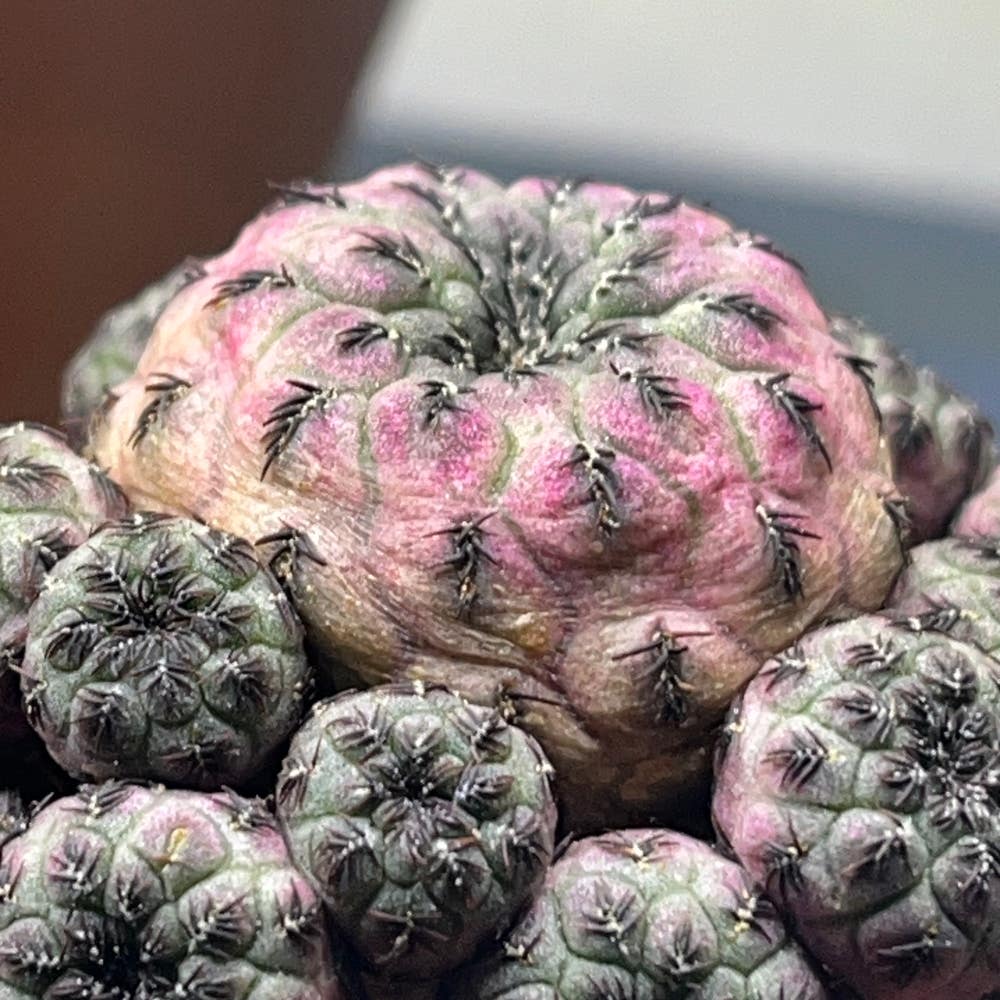
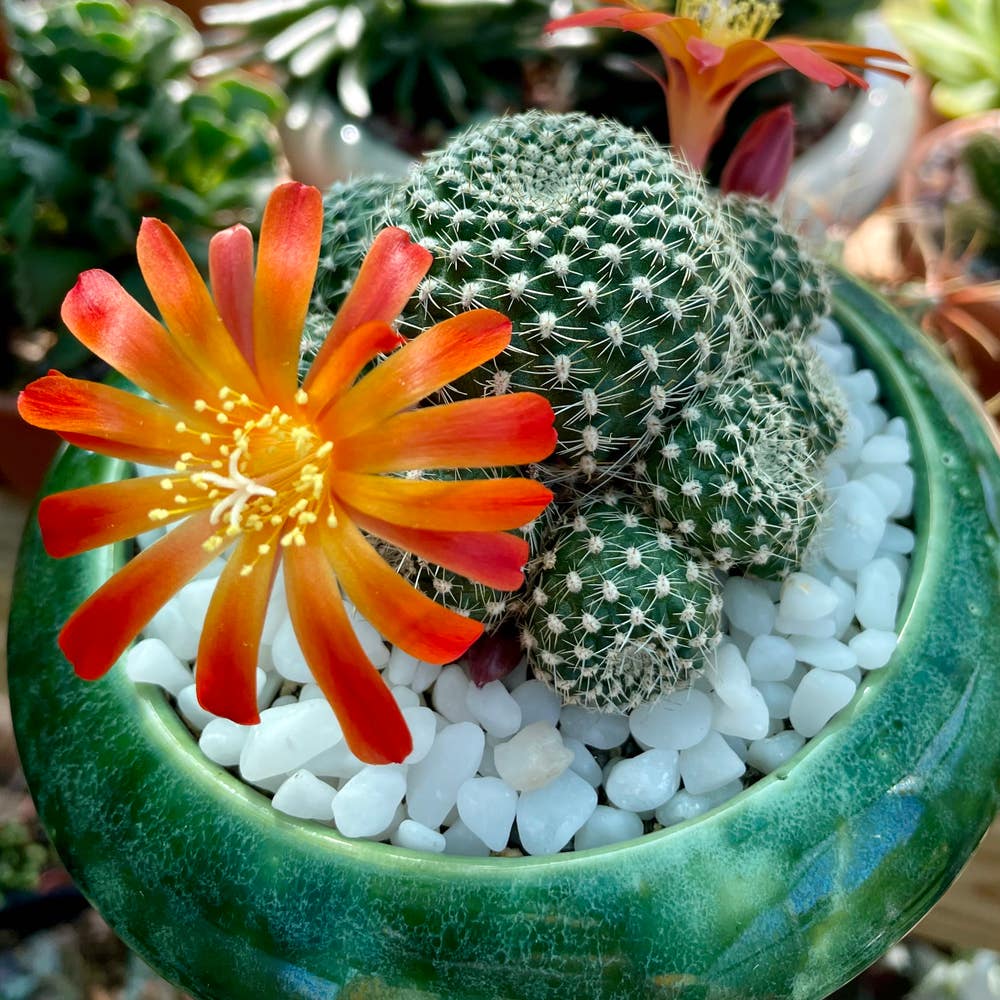
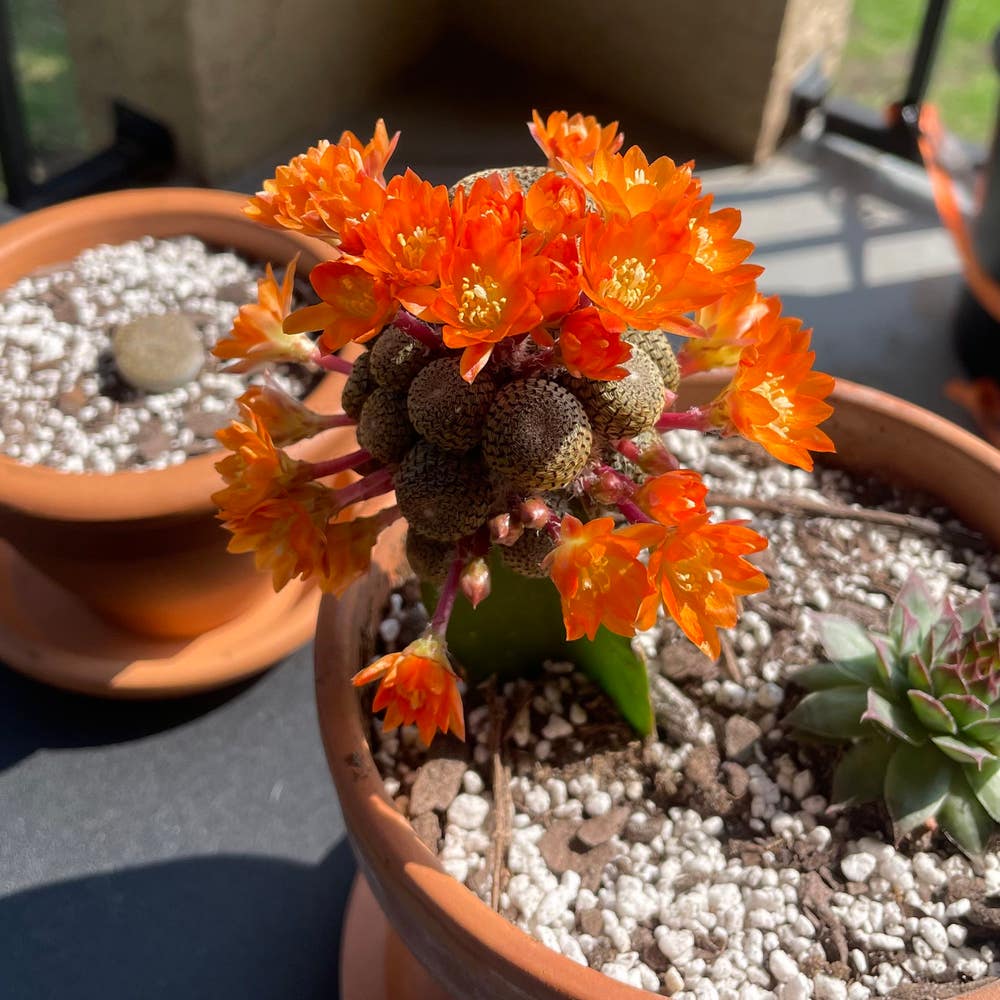
Rebutia fulviseta
By the Greg Editorial Team
Sep 30, 2024•6 min read
This article was created with the help of AI so we can cover more plants for you. May contain errors. See one? Report it here.
Safeguard your Rebutia cactus from herbivores while nurturing a vibrant garden ecosystem! 🌵✨
- 🦌 Identify herbivores like deer and rabbits that threaten your Rebutia cactus.
- 🚫 Use barriers and repellents to protect your cactus from common pests.
- 🌼 Attract beneficial pollinators while managing harmful herbivores for a healthy ecosystem.
Common Herbivores Affecting Rebutia Cactus
🦌 Deer
Signs of presence and damage caused
Look for hoof prints near your Rebutia cactus; these are clear indicators of deer activity. You might also notice leaves and young shoots stripped bare, leaving your plant vulnerable.
Beneficial vs. harmful interaction
While deer can be a beautiful sight in nature, they are generally harmful to your cactus. If left unmanaged, they can decimate populations, leading to significant losses.
Deterrent methods
To keep deer at bay, consider using commercial deer repellents as a chemical deterrent. Organic methods like erecting 8-foot tall barriers or planting deer-resistant plants nearby can also be effective.
🐇 Rabbits
Signs of presence and damage caused
Rabbits leave small, round footprints that can be spotted around your cactus. They often cause clean cuts on young shoots and flowers, which can be alarming.
Beneficial vs. harmful interaction
Rabbits are generally harmful to your Rebutia cactus. Their feeding habits can lead to significant plant damage, making them a gardener's foe.
Deterrent methods
For an easy solution, apply bitter-tasting sprays as a chemical deterrent. Alternatively, using rabbit-proof fencing or netting can provide effective organic protection.
🐿️ Squirrels
Signs of presence and damage caused
Squirrels can be quite destructive, leaving chewed stems and fruits in their wake. You may also notice scratching marks on the soil around the base of your cactus.
Beneficial vs. harmful interaction
These little critters are generally harmful, as they can cause extensive damage to both fruits and flowers. Their playful antics can quickly turn into a gardener's nightmare.
Deterrent methods
Capsaicin-based sprays serve as a chemical deterrent against squirrels. For a more organic approach, consider using scare tactics like reflective tape or noise-makers.
🐦 Birds
Signs of presence and damage caused
Keep an eye out for peck marks on fruits and flowers, as well as droppings near your cactus. These signs indicate that birds are visiting your plant.
Beneficial vs. harmful interaction
Birds present a mixed bag; some may help pollinate your cactus, while others can cause damage. Understanding their role is crucial for effective management.
Deterrent methods
Bird repellents can act as a chemical deterrent to keep unwanted visitors away. Alternatively, netting or reflective objects can serve as organic methods to deter birds.
🐭 Rodents (mice, voles, etc.)
Signs of presence and damage caused
Look for tunnels or burrows near your cactus, which indicate rodent activity. Gnaw marks on the base and roots are also telltale signs of their presence.
Beneficial vs. harmful interaction
Rodents are generally harmful, as they can lead to root damage and even plant death. Their small size belies the significant threat they pose to your Rebutia cactus.
Deterrent methods
For a hard-to-manage issue, consider using rodent bait stations as a chemical deterrent. Organic methods like trapping and habitat modification—removing debris—can also help mitigate their impact.
Understanding these common herbivores is essential for protecting your Rebutia cactus. Next, let’s explore the beneficial animals that can enhance your garden ecosystem.
Beneficial Animals and Ecosystem Role
🐝 Pollinators: The Unsung Heroes
Rebutia cacti attract a variety of beneficial animals, particularly pollinators like bees and butterflies. These creatures play a crucial role in the reproductive cycle of the cactus, ensuring vibrant blooms and healthy fruit production.
🦜 Birds: Nature's Pest Controllers
Certain bird species also find refuge in the Rebutia cactus. While some may nibble on the fruits, others help control pest populations, creating a balanced ecosystem around your garden.
🌱 Positive Impacts on the Garden Ecosystem
Enhanced Pollination
The presence of pollinators leads to enhanced pollination, which directly contributes to better fruit production. This not only benefits the cactus but also enriches the overall biodiversity of your garden.
Natural Pest Control
Birds and other beneficial animals contribute to natural pest control through predation. By keeping harmful insect populations in check, they help maintain a healthy environment for your Rebutia cactus to thrive.
Understanding these beneficial interactions can inspire you to cultivate a more harmonious garden. By attracting the right animals, you can create a thriving ecosystem that supports both your plants and local wildlife.
As we explore further, let’s look at general strategies for protecting your Rebutia cactus from herbivores while fostering this beneficial environment.
General Strategies for Protection
🛡️ Preventive Measures for Protecting Rebutia Cactus
Regular monitoring is essential for safeguarding your Rebutia cactus. Keep an eye out for signs of herbivore activity, such as tracks or damage to the plant.
Planting companion plants that deter herbivores can also be effective. Consider species that naturally repel common pests, creating a protective barrier around your cactus.
⚠️ Reactive Solutions for Managing Animal Interactions
If you notice damage, act quickly by removing affected parts. This helps prevent further attraction of herbivores to your cactus.
Using barriers and traps can also be a practical approach. Fencing or netting can keep larger animals at bay, while traps can help manage smaller pests.
🌱 Balancing Ecosystem Health While Protecting Plants
Understanding the role of herbivores in the ecosystem is crucial. While they can cause damage, they also contribute to the balance of nature.
Implementing integrated pest management strategies allows you to protect your plants while maintaining ecosystem health. This approach combines preventive and reactive measures for a holistic solution.
By taking these steps, you can enjoy a thriving Rebutia cactus while fostering a healthy garden environment. Next, let’s explore seasonal considerations that can further enhance your cactus protection strategies.
Seasonal Considerations
Seasonal Variations in Animal Attraction 🐾
Rebutia cacti experience heightened herbivore activity during their flowering and fruiting seasons. This is when the vibrant blooms and juicy fruits attract a variety of hungry critters.
Timing of Flowering and Fruiting ⏰
Understanding the timing of these growth phases is crucial. As your Rebutia cactus bursts into bloom, be prepared for an influx of deer, rabbits, and other herbivores eager to feast on the tender shoots and fruits.
Strategies for Seasonal Protection 🛡️
To protect your cactus during these peak times, consider adjusting your deterrent methods. For instance, using stronger chemical repellents or enhancing physical barriers can be effective as herbivore activity increases.
Monitoring and Adaptation 🔍
Regular monitoring is essential. Keep an eye on your cactus and adapt your strategies based on observed animal behavior. This proactive approach can save your plants from significant damage.
Conclusion
By understanding seasonal patterns and implementing targeted protection strategies, you can enjoy the beauty of your Rebutia cactus while minimizing the risk of herbivore damage. Next, let’s explore the beneficial animals that contribute positively to your garden ecosystem.
Toxicity and Safety
🐾 Toxic Effects of Rebutia Cactus on Animals
Rebutia cacti can pose mild toxicity risks to pets and livestock if consumed. While they aren't deadly, ingestion may lead to gastrointestinal upset, so it's best to keep an eye on curious critters.
🛡️ Safety Considerations for Gardeners and Pets
When planting Rebutia, consider its location carefully. Ensure it's out of reach of pets and livestock to minimize accidental ingestion.
Regularly monitor your pets around the cactus. This vigilance helps prevent any unwanted snacking on your spiky friend, keeping both your plants and pets safe.
In summary, while Rebutia cacti can be a beautiful addition to your garden, awareness of their potential toxicity is crucial. By taking simple precautions, you can enjoy their beauty without worry.
Next, let’s explore how to protect your Rebutia cactus from herbivores and maintain a healthy garden ecosystem.
⚠️ Safety First
This content is for general information and may contain errors, omissions, or outdated details. It is not medical, veterinary advice, or an endorsement of therapeutic claims.
Always consult a qualified healthcare professional before using any plant as food, medicine, or supplement.
Never eat any plant (or feed one to pets) without confirming its identity with at least two trusted sources.
If you suspect poisoning, call Poison Control (800) 222-1222, the Pet Poison Helpline (800) 213-6680, or your local emergency service immediately.
Spotted an error? Please report it here.
Safeguard your Rebutia cactus from herbivores with Greg's personalized alerts 🌵 that keep you informed and proactive, ensuring your cactus flourishes in a balanced ecosystem!