What Temperature Should My Rebutia fulviseta Be Kept At?
Rebutia fulviseta
By the Greg Editorial Team
Mar 26, 2024•4 min read
This article was created with the help of AI so we can cover more plants for you. May contain errors. See one? Report it here.
Keep your cactus happy 🌵 by nailing the perfect cozy temps for Rebutia fulviseta's growth!
- Day 70-100°F, Night 50-70°F - Ideal temperature range for Rebutia fulviseta.
- 🌵 Watch for wilting or discoloration, signs of temperature stress.
- Avoid drafts and direct heat to maintain consistent cactus comfort.
Keeping It Just Right: The Temperature Sweet Spot
🌡️ Daytime Delight: Finding the perfect sunbath temperature
For your Rebutia fulviseta, 70-100°F (21-38°C) during the day is the sweet spot. It's the zone where photosynthesis thrives without turning your cactus into a desert relic. Keep it basking, but not baking.
🌙 Nighttime Nurturing: Ensuring your plant gets its beauty sleep at the right temperature
When the stars come out, aim for 50-70°F (10-21°C). These cooler temps aren't just good for snuggling; they're crucial for your cactus's rest and recovery. Think of it as tucking your plant in for the night.
When Things Heat Up: Recognizing Temperature Stress
🚨 Spot the Signs: Wilting, Discoloration, and Other SOS Signals from Your Plant
Wilting isn't just a plant being dramatic—it's a red flag. If your Rebutia fulviseta's once plump and vibrant stems start drooping, it's signaling a distress call. Discoloration is another visual shout for help; leaves turning a lighter shade or getting sunburned spots are clear indicators of too much heat.
🌡️ The Heat is On: What Happens When Your Rebutia fulviseta Gets Too Hot to Handle
When your cactus feels like it's sitting in a sauna, it's not just sweating it out. Leathery texture on the leaves and stunted growth are your cues to intervene. If the plant starts developing black spots or browning tips, it's time to relocate to a cooler spot—stat. Keep an eye out for soft, mushy areas, which mean your cactus is more than stressed; it's in thermal duress.
Chilly Challenges: Dealing with the Cold
❄️ Brrr-ace Yourself: Symptoms of a too-cold cactus
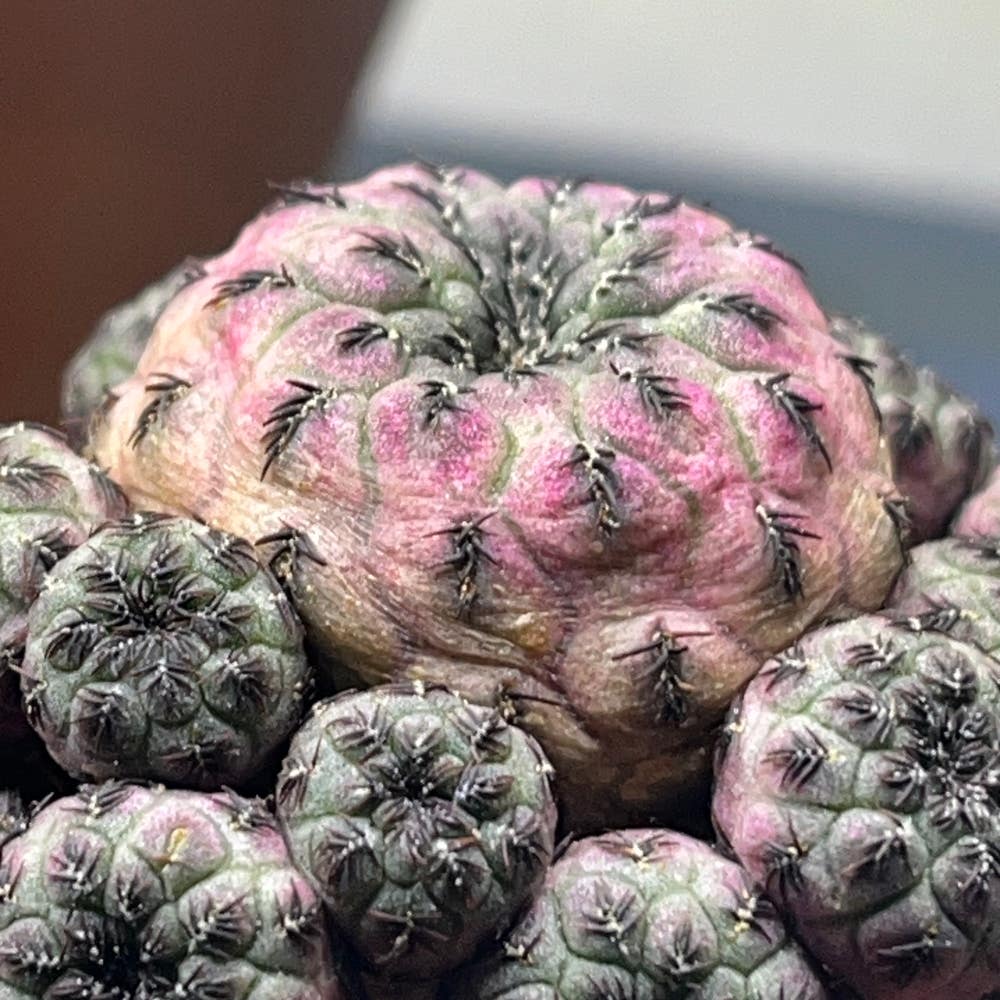
When your Rebutia fulviseta starts to look like it's hugging itself for warmth, take note. A cactus that's too cold might go limp, wrinkle, or even take on a reddish hue, like it's blushing from the chill. These are distress signals, and they mean your spiky friend is not having a good time.
🧣 Keeping the Warmth In: Tips for protecting your Rebutia fulviseta from the cold
Insulation is key. If your cactus is shivering by the window, move it to a warmer spot, stat. Wrap the pot in a towel or bubble wrap to fend off the cold. For those who like gadgets, a heating mat can be a game-changer. Just remember, these desert dwellers need a cool period in winter to thrive, but not so cool that they turn into cactus-sicles. Keep the temperature above freezing, ideally between 5 – 8°C. And if you're using a heater, avoid placing it too close to avoid turning your cactus into a roast.
Staying Stable: Preventing Temperature Fluctuations
🌬️ Common Culprits: Identifying and Mitigating Drafty Disasters and Scorching Sun Issues
Drafts and direct heat sources are like unwanted guests at a party—they disrupt the vibe and leave your Rebutia fulviseta feeling out of sorts. Seal those sneaky drafts with weather stripping and use draft stoppers to slam the door on cold air. Keep your cactus away from radiators, air vents, and not too close to windows that turn into solar cookers. It's about keeping things chill, not frozen or fried.
🌡️ Temperature Control: Tools and Tricks for Maintaining a Consistent Climate
In the quest for temperature stability, technology is your sidekick. Smart thermostats can play the role of climate control ninjas, adjusting the indoor temperature to keep your cactus comfortable. For those who prefer a less automated approach, a simple thermometer can be your eyes when you're not around. And when the mercury dips, consider a frost blanket or a heat lamp—think of them as the warm hug your plant craves. Keep the air moving with fans, but don’t create a wind tunnel. It’s all about balance.
⚠️ Safety First
This content is for general information and may contain errors, omissions, or outdated details. It is not medical, veterinary advice, or an endorsement of therapeutic claims.
Always consult a qualified healthcare professional before using any plant as food, medicine, or supplement.
Never eat any plant (or feed one to pets) without confirming its identity with at least two trusted sources.
If you suspect poisoning, call Poison Control (800) 222-1222, the Pet Poison Helpline (800) 213-6680, or your local emergency service immediately.
Spotted an error? Please report it here.
Ensure your Rebutia fulviseta never wilts 🌡 with Greg's custom environment tracking, keeping it in the ideal temperature sweet spot day and night!