How Much Humidity Does My Rebutia fulviseta Need?
Rebutia fulviseta
By the Greg Editorial Team
Mar 26, 2024•3 min read
This article was created with the help of AI so we can cover more plants for you. May contain errors. See one? Report it here.
Discover the secret to lush Rebutia fulviseta growth by nailing the ideal 40-50% humidity range! 🌵💧
- Ideal humidity is 40-50% for Rebutia fulviseta's health.
- 🌵 Wrinkled skin? It's a cry for more humidity.
- 💨 Too humid? Increase airflow and adjust watering.
Dialing in the Perfect Humidity for Your Rebutia fulviseta
🌵 What's the Sweet Spot?
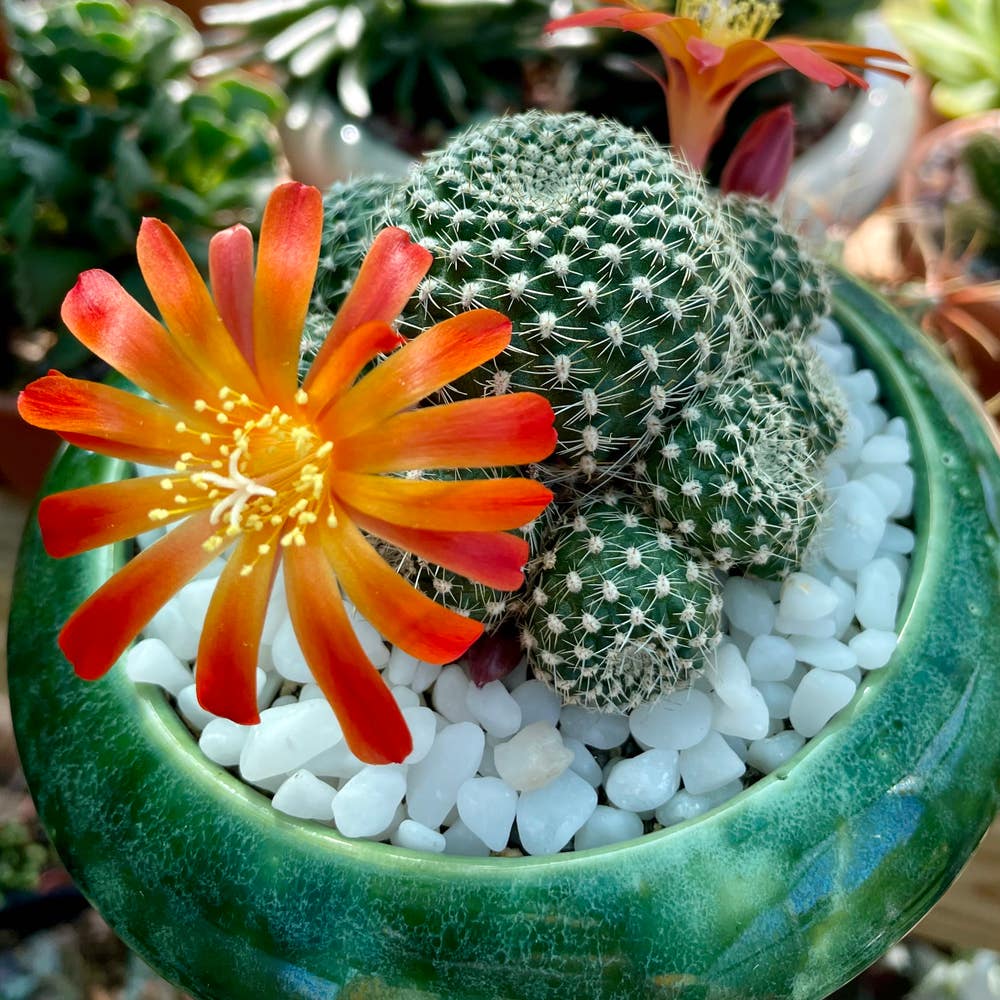
Rebutia fulviseta, a cactus with a penchant for drier climes, finds its happy place in humidity levels between 40-50%. This range is akin to a desert's embrace—enough moisture to quench its needs without drowning it.
Signs Your Plant is Thirsty for Humidity
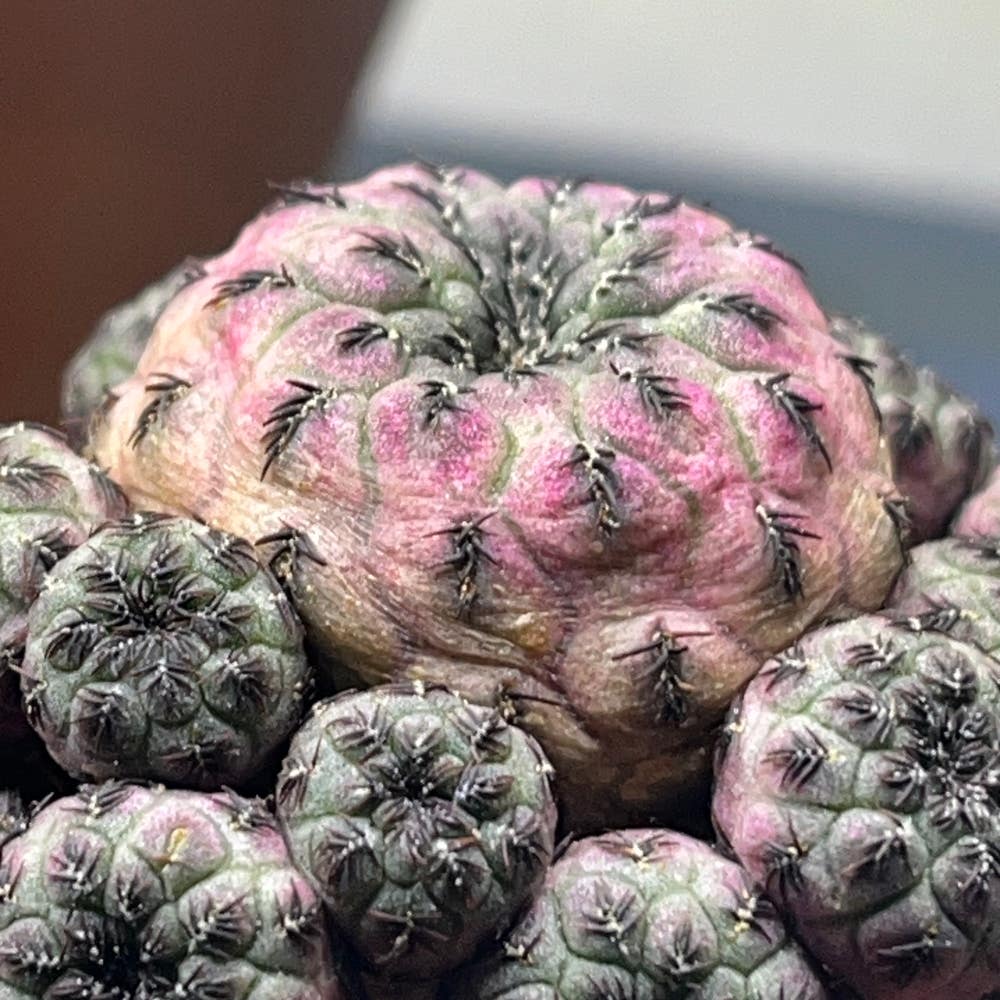
Keep an eye out for wrinkled skin—it's your Rebutia crying out for a humidity hug. If the plant's once vibrant spines start looking duller than a cloudy day, it's time to ramp up the moisture.
Too Much of a Good Thing?
Conversely, if your Rebutia is sporting swollen or discolored patches, it's a red flag for excess humidity. This isn't a plant that enjoys a sauna; too much moisture invites rot to the party, and trust me, it's a lousy guest.
Making Sense of Your Local Humidity Scene
🌡️ Humidity at Home: The Lowdown
To measure your home's humidity, grab a hygrometer. Think of it as your plant's personal weather station. Place it away from direct sunlight and drafts for the most accurate reading. Humidity isn't static—it's a dance, changing with daily activities and the time of day. Keep an eye on the rhythm of your indoor climate, not just a snapshot.
🌵 When Your Home Doesn't Match Rebutia fulviseta's Wishlist
If your hygrometer's telling tales of a dry spell, it's time for some quick fixes. Boost humidity with a humidifier or create a pebble tray for your Rebutia fulviseta to lounge over. Grouping plants can also create a microclimate of moisture. Conversely, if you're living in a rainforest indoors, increase ventilation or dial back on watering to bring down the humidity. Remember, your Rebutia fulviseta's comfort hinges on striking that perfect moisture balance.
Humidity Hacks: Boosting Moisture for Your Rebutia fulviseta
💦 Pebble Trays: Not Just for Decoration
Creating a pebble tray is like giving your Rebutia fulviseta a personal humidity butler. Grab a tray, scatter some pebbles, and pour water just shy of the top. Elevation is key; ensure your plant's pot hovers above the water to prevent root rot. As the water evaporates, it's a moisture fest for your cactus, no fancy equipment needed.
🌿 Plant Buddies and Humidifiers: Teamwork Makes the Dream Work
Grouping plants is like starting a small club where the only membership fee is transpiration. Your Rebutia fulviseta will thank you for the communal humidity boost. But if you want to go the extra mile, bring in a humidifier. It's like a steady rain cloud indoors, minus the thunder. Just remember to keep it clean to avoid the moldy side of life.
When It's Time to Tone Down the Humidity
💨 Airflow is Your Friend
Ventilation is crucial when managing humidity for your Rebutia fulviseta. If the air in your home is starting to feel like a sauna, it's time to introduce a breeze. Crack a window or set up a fan to keep the air moving. This isn't just about comfort—it's about preventing the still, moist air that can lead to fungal issues and rot.
💧 Watering Wisdom
Watering contributes significantly to the humidity experienced by your Rebutia fulviseta. If the air is too damp, reduce watering frequency and ensure your pot has proper drainage. This will help manage the moisture levels in the air, striking a balance that keeps your cactus happy without the risk of waterlogging its roots.
⚠️ Safety First
This content is for general information and may contain errors, omissions, or outdated details. It is not medical, veterinary advice, or an endorsement of therapeutic claims.
Always consult a qualified healthcare professional before using any plant as food, medicine, or supplement.
Never eat any plant (or feed one to pets) without confirming its identity with at least two trusted sources.
If you suspect poisoning, call Poison Control (800) 222-1222, the Pet Poison Helpline (800) 213-6680, or your local emergency service immediately.
Spotted an error? Please report it here.
Ensure your Rebutia fulviseta is always at its peak 🌟 with Greg's community advice and personalized humidity tracking for a happy, healthy cactus.