☀️ Rebutia Cactus's Best Friends: Top Companion Plants
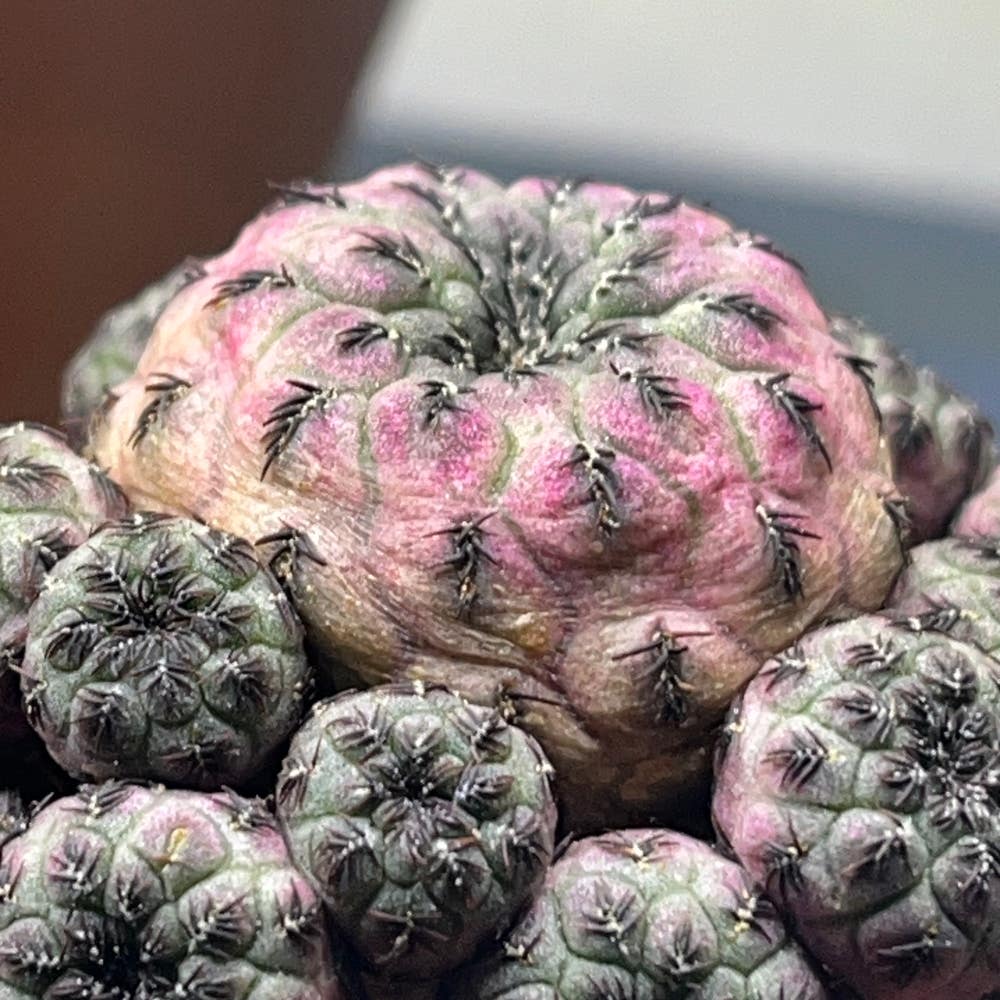
Rebutia fulviseta
By the Greg Editorial Team
Sep 30, 2024•6 min read
This article was created with the help of AI so we can cover more plants for you. May contain errors. See one? Report it here.
Elevate your Rebutia cactus garden 🌵 with ideal companions that boost beauty and health effortlessly!
- 🌵 Rebutia thrives with companions sharing similar water and sunlight needs for optimal growth.
- 🌼 Sedum and Aloe Vera enhance aesthetics while providing drought tolerance and pest control.
- 🎨 Experimenting with plant combinations creates unique, vibrant arrangements for your garden.
Best Companion Plants for Rebutia Cactus
🌱 Description of Suitable Companion Plants
Plant 1: Sedum
Sedum is a low-growing, drought-tolerant succulent that thrives in various conditions. Its similar low-water needs help prevent overwatering issues, making it an ideal companion for Rebutia.
Sedum also acts as a ground cover, retaining soil moisture and suppressing weeds. This dual functionality enhances the overall health of your cactus arrangement.
Plant 2: Echeveria
Echeveria features rosette-shaped leaves and vibrant colors that can brighten any space. It thrives in full sun, just like Rebutia, ensuring both plants receive the light they need.
The contrasting shapes and colors of Echeveria add visual appeal, creating a stunning display alongside your Rebutia cactus.
Plant 3: Agave
Agave is a large, architectural succulent known for its thick, striking leaves. This drought-tolerant plant requires minimal care, making it a low-maintenance option for your garden.
Its height and structure provide a dramatic backdrop for the smaller Rebutia, enhancing the overall arrangement's visual interest.
Plant 4: Aloe Vera
Aloe Vera is not only a succulent with fleshy leaves but also boasts medicinal properties. It shares similar moisture requirements with Rebutia and thrives in well-draining soil.
Additionally, Aloe Vera offers pest-repellent properties, particularly against aphids, which can be a nuisance for your cactus.
🌼 Explanation of Why These Plants Thrive with Rebutia Cactus
These companion plants thrive alongside Rebutia due to their compatibility in water and sunlight needs. They share resistance to common pests and diseases, creating a harmonious growing environment.
Moreover, the diverse shapes and colors of these plants enhance the aesthetic appeal of your garden. This combination not only looks great but also supports the health of your Rebutia cactus.
With the right companions, your Rebutia can flourish, showcasing its beauty while benefiting from the support of its plant friends.
Plants to Avoid Near Rebutia Cactus
🌿 Description of Unsuitable Companion Plants
Plant 1: Ferns
Ferns may seem like a lush addition, but they come with high moisture requirements. This can lead to root rot in your Rebutia, which thrives in drier conditions.
Ferns also compete for nutrients and space, making them a poor match for your cactus. Their sprawling nature can overshadow the delicate beauty of Rebutia.
Plant 2: Heavy-feeding Annuals
Heavy-feeding annuals are another group to steer clear of. They demand more water and nutrients than Rebutia can provide, putting your cactus at risk.
These plants can easily overcrowd your Rebutia, leading to competition for resources that can stunt growth and vitality.
⚠️ Explanation of Potential Issues with These Plants
The risk of overwatering and root rot is significant when pairing Rebutia with moisture-loving plants. This imbalance can quickly turn your thriving cactus into a struggling one.
Increased competition for nutrients and space can hinder the growth of Rebutia. It's essential to choose companions wisely to ensure a healthy, vibrant garden.
By avoiding these unsuitable plants, you can create a thriving environment for your Rebutia cactus and its compatible companions. Next, let’s explore how to create a visually appealing arrangement with your chosen plants.
Visual Appeal and Aesthetic Considerations
How to Create a Visually Appealing Arrangement with Rebutia and Companions 🌵
Creating a stunning arrangement with Rebutia cactus and its companions starts with thoughtful layering. Position taller plants like Agave at the back or center, allowing shorter companions like Sedum and Echeveria to fill in the foreground.
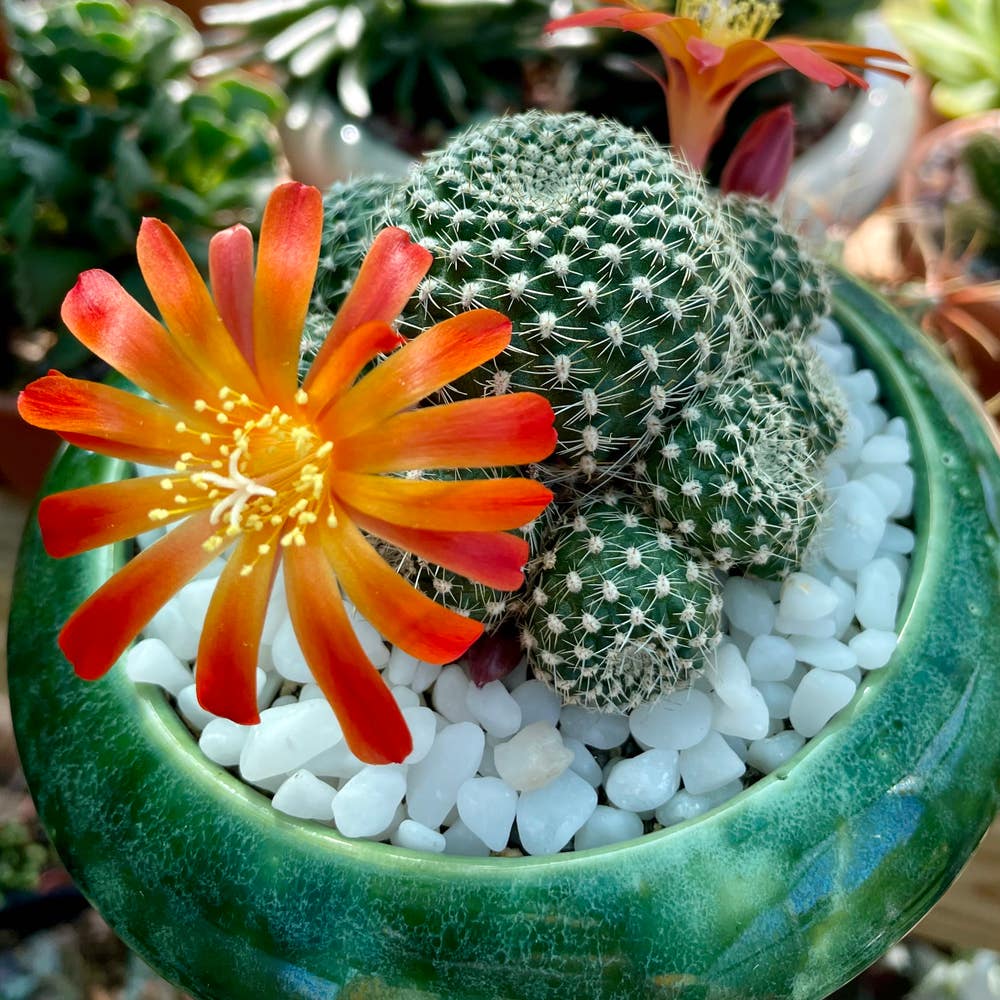
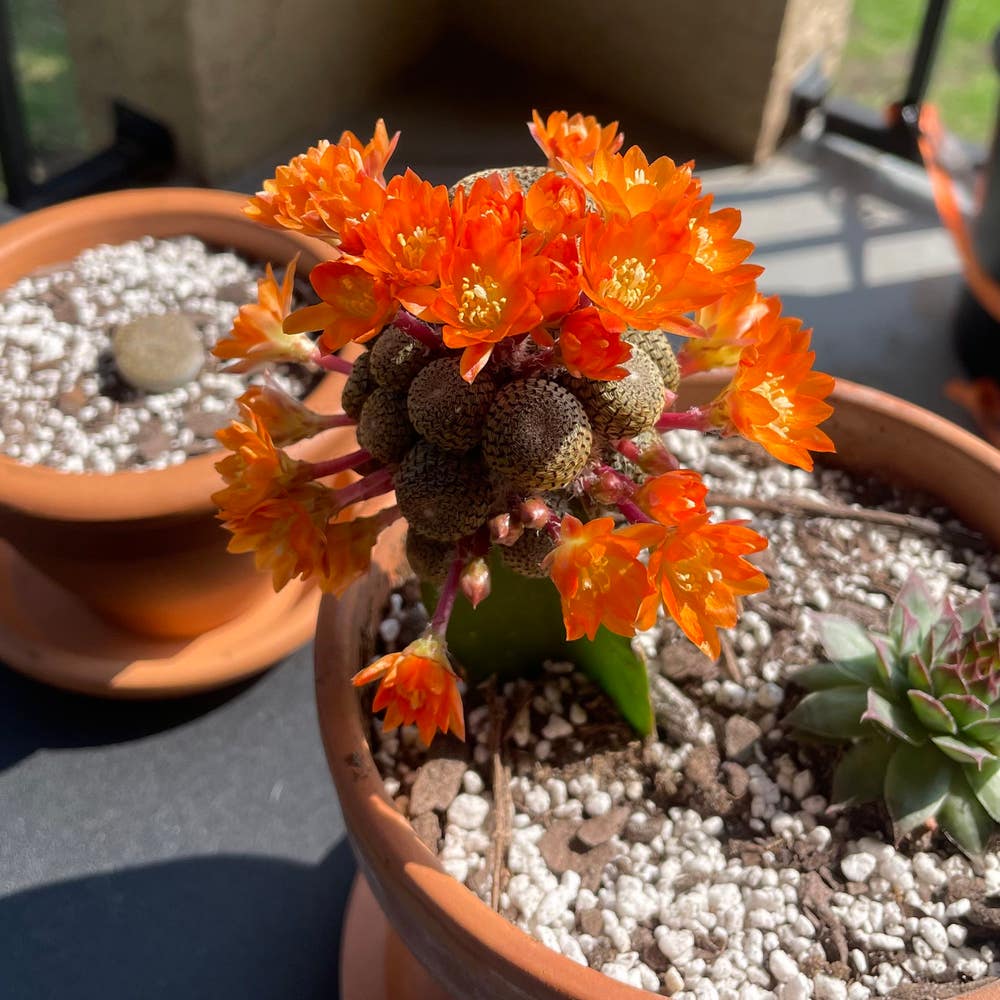
Grouping plants with contrasting colors and textures adds depth to your display. For instance, the vibrant blooms of Rebutia can pop against the muted greens of Sedum, creating a lively visual contrast.
Color and Texture Combinations 🎨
Pairing Rebutia's striking flowers with the subtle tones of Sedum enhances the overall aesthetic. This combination not only looks appealing but also highlights the unique characteristics of each plant.
Incorporating the architectural form of Agave can create focal points in your arrangement. Its bold structure draws the eye, making it an excellent companion to the delicate forms of other succulents.
Experimenting with these combinations can lead to a captivating display that showcases the beauty of your Rebutia cactus and its companions. This thoughtful approach to planting not only elevates your garden but also fosters a sense of harmony among the plants.
As you explore these aesthetic considerations, remember that the right arrangement can enhance both the visual appeal and health of your plants, setting the stage for a thriving garden.
Pest Management through Companion Planting
🐞 How Certain Companions Can Deter Pests
Companion planting is a powerful strategy for managing pests in your garden. By selecting specific plants that repel unwanted insects, you can create a natural barrier that protects your Rebutia cactus.
Maintaining a balanced ecosystem is crucial. When plants work together, they can reduce pest populations and promote healthier growth for all species involved.
🌱 Examples of Pest-Repellent Plants
Aloe Vera
Aloe Vera is not just a handy plant for burns; it also deters pests like aphids and other soft-bodied insects. Its natural properties make it an excellent companion for Rebutia, helping to keep your cactus safe from common threats.
Echeveria
Echeveria does more than just look good; it attracts beneficial insects that prey on pests. By inviting these helpful allies into your garden, you can create a more resilient environment for your Rebutia cactus.
Incorporating these pest-repellent companions can significantly enhance the health and vitality of your Rebutia. As you explore these combinations, remember that a thriving garden is all about balance and cooperation.
Summary of Companion Planting Benefits for Rebutia Cactus
Companion planting offers numerous advantages for your Rebutia cactus. By selecting the right plants, you can enhance growth, improve aesthetics, and create a thriving ecosystem.
🌱 Advantages of Companion Planting
One of the primary benefits is the compatibility in water and sunlight needs. Plants like Sedum and Echeveria share similar requirements, reducing the risk of overwatering and ensuring a harmonious environment.
Additionally, companion plants can deter pests. For instance, Aloe Vera not only thrives alongside Rebutia but also repels aphids, keeping your cactus healthy and vibrant.
🎨 Encouragement to Experiment
Don’t hesitate to mix and match different companion plants. Experimenting with various combinations can lead to stunning arrangements and optimal growth.
Creating a visually appealing garden is just as important as plant health. The interplay of colors and textures can transform your space into a captivating oasis.
In summary, companion planting is a fantastic way to elevate your Rebutia cactus experience. Dive in, explore your options, and enjoy the journey of creating a beautiful, thriving garden.
⚠️ Safety First
This content is for general information and may contain errors, omissions, or outdated details. It is not medical, veterinary advice, or an endorsement of therapeutic claims.
Always consult a qualified healthcare professional before using any plant as food, medicine, or supplement.
Never eat any plant (or feed one to pets) without confirming its identity with at least two trusted sources.
If you suspect poisoning, call Poison Control (800) 222-1222, the Pet Poison Helpline (800) 213-6680, or your local emergency service immediately.
Spotted an error? Please report it here.
Transform your garden into a thriving oasis 🌵 by pairing your Rebutia cactus with the perfect companions, and let Greg guide you with tailored care tips for each plant's needs!