🌵 Rebutia Cactus Hardiness Zones Ultimate Guide: 9a-11b
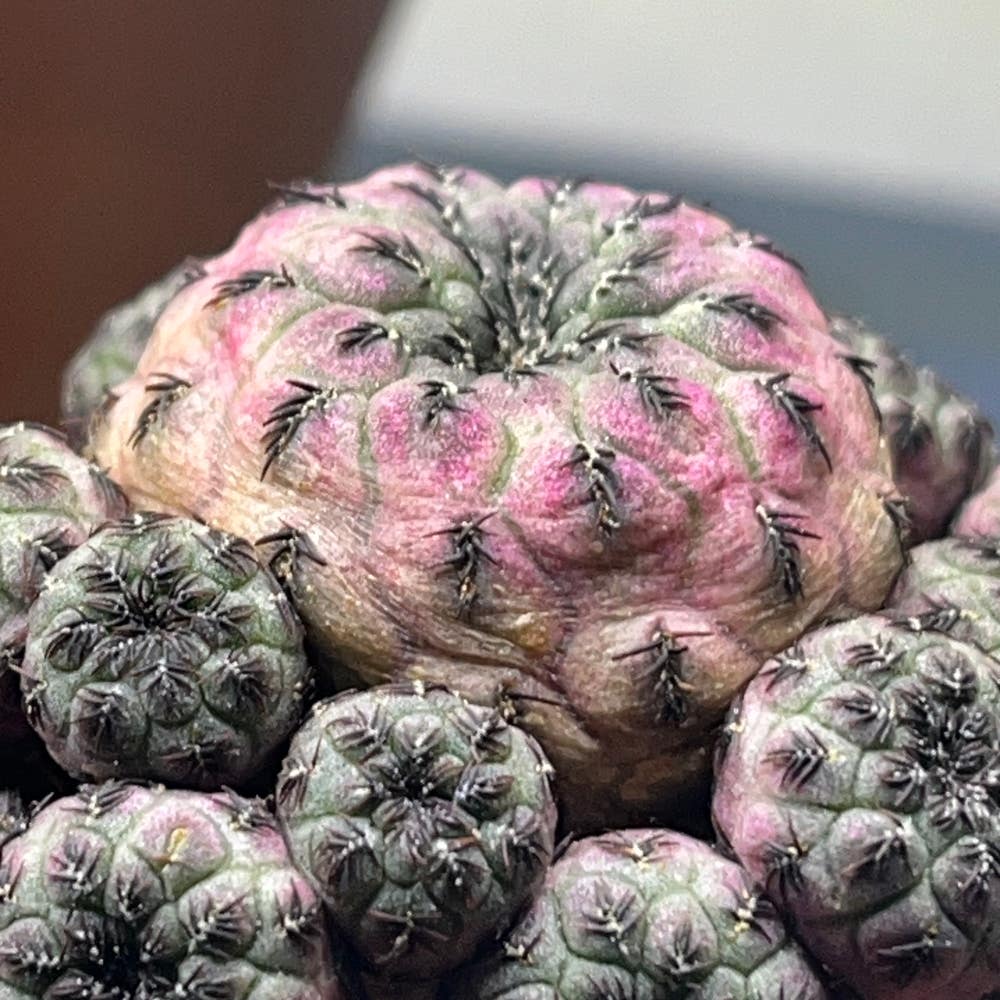
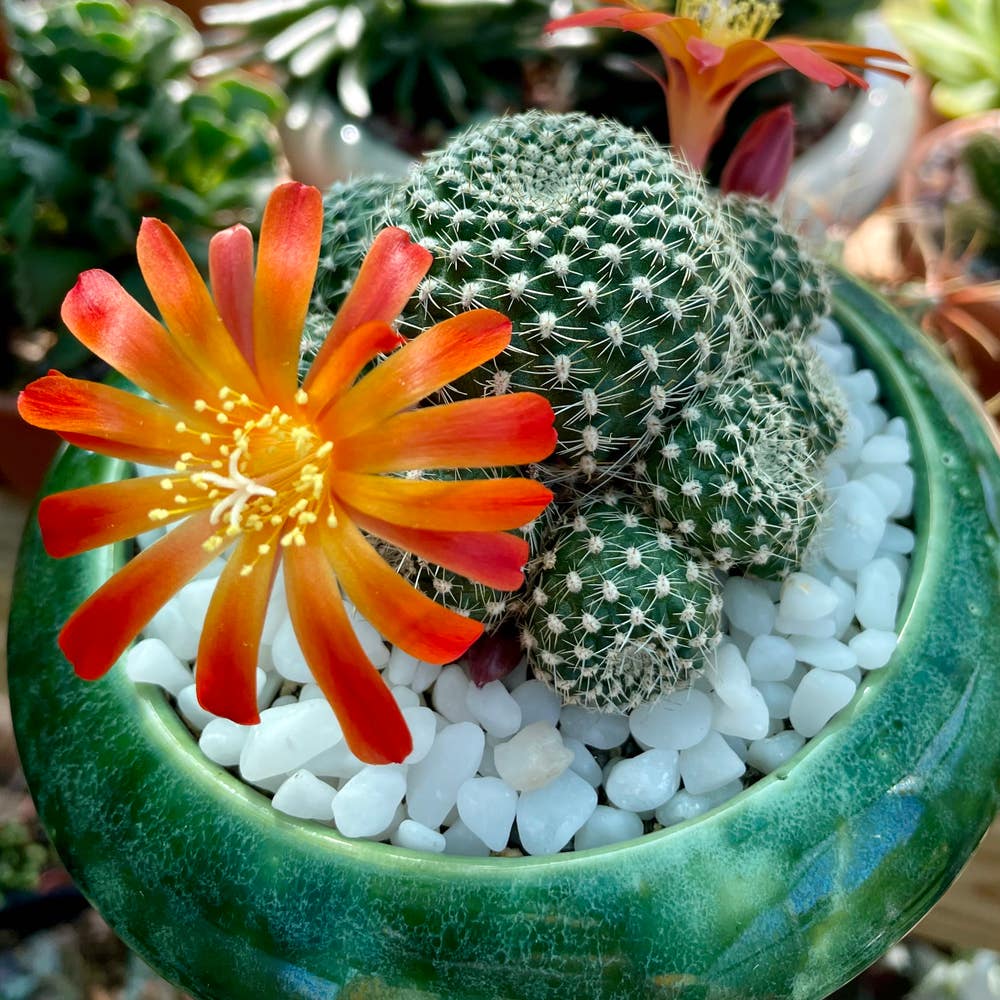
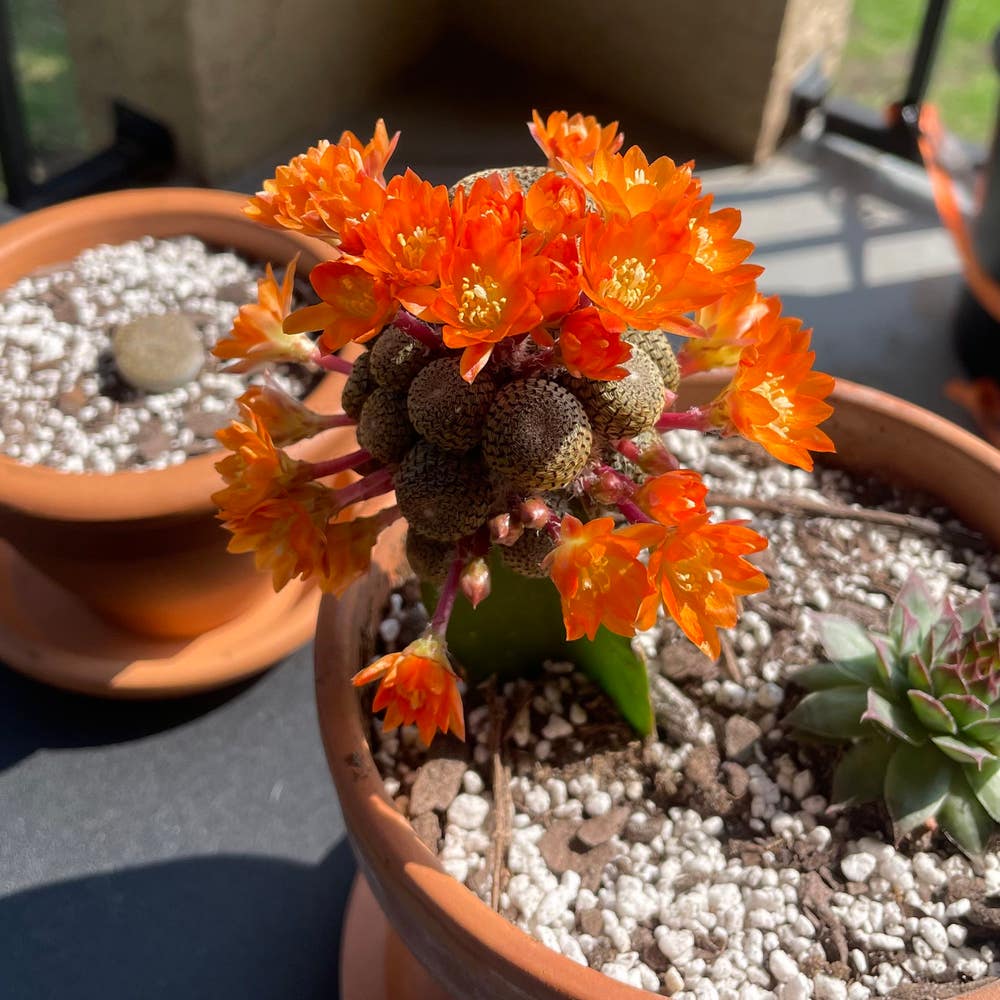
Rebutia fulviseta
By the Greg Editorial Team
Sep 30, 2024•5 min read
This article was created with the help of AI so we can cover more plants for you. May contain errors. See one? Report it here.
Unlock thriving Rebutia cacti 🌵 by mastering their temperature needs and ideal growing climates for vibrant blooms!
- 🌡️ Rebutia cacti thrive between 70°F to 85°F; frost sensitivity limits their hardiness.
- 🌍 Best states for Rebutia growth include California, Florida, Texas, and Arizona.
- 🏞️ Microclimates and well-draining soil are crucial for successful Rebutia cultivation.
Temperature Tolerance
❄️ Cold Tolerance
Rebutia cacti can typically withstand temperatures down to 20°F (-6°C). However, they are sensitive to frost, which can hinder their growth and overall health.
☀️ Heat Tolerance
On the flip side, these resilient plants thrive in heat, with a maximum tolerance of up to 100°F (38°C). To ensure their well-being in high temperatures, adequate watering and well-draining soil are crucial.
🌡️ Ideal Temperature Ranges
For optimal growth, aim for a temperature range of 70°F to 85°F (21°C to 29°C). Fluctuations outside this range can impact flowering and the cactus's overall vitality.
Understanding these temperature tolerances is essential for successfully cultivating Rebutia cacti. Next, let’s explore the ideal growing regions where these cacti can truly flourish.
Ideal Growing Regions
🌵 Suitable US States
When it comes to growing Rebutia Cactus, certain states shine as the best options. California, Florida, Texas, and Arizona are prime examples, offering the warm climates these cacti crave.
In California, regions like San Diego and Palm Springs provide ideal conditions. Florida's southern parts, such as Miami, also support healthy growth. Texas, particularly around El Paso, and Arizona, especially in Phoenix, round out the list of top contenders.
🌡️ Factors Contributing to Suitability
The climate in these states is characterized by warm temperatures and low humidity, both crucial for Rebutia's thriving. These conditions help prevent rot and promote healthy growth.
Soil type plays a significant role too. Well-draining sandy or rocky soils are essential, allowing excess water to escape and preventing root rot.
🔍 Regional Comparisons
Even within these states, microclimates can vary significantly. For instance, coastal areas may have milder temperatures compared to the hotter inland regions.
Elevation also influences growing conditions. Higher altitudes can lead to cooler temperatures, which might not be ideal for Rebutia. Local weather patterns, such as wind and rainfall, further shape the growing environment, making it essential to consider these factors when selecting a planting site.
Understanding these nuances can help you create the perfect habitat for your Rebutia Cactus, ensuring it flourishes in your garden.
Microclimates
🌦️ Definition and Significance
Microclimates are localized climate variations that can differ significantly from the surrounding area. Understanding these variations is crucial for gardeners, especially when growing sensitive plants like the Rebutia cactus.
Microclimates can create unique conditions that support plant growth, even in less-than-ideal regional climates. For instance, a south-facing wall may retain heat, providing a warmer environment than the general area.
🌱 Extending Growing Range
Sheltered areas, such as those near buildings or fences, can offer warmer conditions for Rebutia cacti. These spots can help mitigate the effects of cold snaps, allowing for healthier growth.
Urban environments often create favorable microclimates due to heat retention from buildings and paved surfaces. This can extend the growing range for cacti, making cities surprisingly good places for these plants.
📏 Microclimate Factors
Elevation plays a significant role in microclimates. Higher elevations may experience cooler temperatures, which can affect plant growth and flowering.
Proximity to water bodies, like lakes or rivers, can also moderate temperature extremes. These areas often have milder climates, which can be beneficial for nurturing Rebutia cacti.
Understanding microclimates can empower gardeners to make informed decisions about where to plant their Rebutia cacti. By leveraging these localized conditions, you can enhance your gardening success and enjoy vibrant blooms year-round.
Next, we’ll explore the state-level suitability analysis for growing Rebutia cacti, focusing on which states offer the best conditions for these resilient plants.
State-Level Suitability Analysis
🌟 Suitable States
When it comes to growing Rebutia Cactus, certain states shine brighter than others. California, Florida, Texas, Arizona, New Mexico, and Louisiana offer the warm temperatures and low humidity that these cacti thrive in.
- California: Known for its diverse climates, areas like Southern California provide ample sunshine and well-draining soils.
- Florida: The warm, humid climate is ideal, especially in the southern regions where frost is rare.
- Texas: With its vast landscapes, regions like West Texas offer dry conditions perfect for Rebutia.
- Arizona: The desert climate ensures plenty of sunlight and minimal rainfall, creating a perfect habitat.
- New Mexico: Similar to Arizona, it boasts dry air and sunny days, ideal for these resilient cacti.
- Louisiana: While more humid, certain areas with sandy soils can still support Rebutia growth.
❌ Unsuitable States
On the flip side, some states are less friendly to Rebutia Cactus. North Dakota, Minnesota, and Maine are prime examples of unsuitable environments.
- North Dakota: Cold winters and frost risks make it challenging for these cacti to survive.
- Minnesota: The prolonged cold and heavy snowfall can be detrimental to their growth.
- Maine: Similar to Minnesota, the harsh winters and unsuitable soil conditions hinder Rebutia's chances.
🥶 Challenges in Unsuitable States
In unsuitable states, frost poses a significant challenge. Understanding the first frost and last frost dates is crucial for any gardener.
- First Frost: This typically occurs in late September to early October in northern states, which can catch unprepared gardeners off guard.
- Last Frost: In spring, the last frost can linger into May, delaying planting times.
Prolonged cold periods can severely impact Rebutia Cactus growth and survival. These cacti may struggle to establish roots or even survive the winter, making them a poor choice for these regions.
As we explore the nuances of microclimates next, you'll see how even small changes in environment can make a world of difference for your Rebutia Cactus.
⚠️ Safety First
This content is for general information and may contain errors, omissions, or outdated details. It is not medical, veterinary advice, or an endorsement of therapeutic claims.
Always consult a qualified healthcare professional before using any plant as food, medicine, or supplement.
Never eat any plant (or feed one to pets) without confirming its identity with at least two trusted sources.
If you suspect poisoning, call Poison Control (800) 222-1222, the Pet Poison Helpline (800) 213-6680, or your local emergency service immediately.
Spotted an error? Please report it here.
Cultivating your Rebutia cacti is a breeze 🌞 with Greg's tailored care tips that help you create the perfect warm and well-draining environment for thriving growth!