🌵 5 Essential Outdoor Rebutia Cactus Care Routines
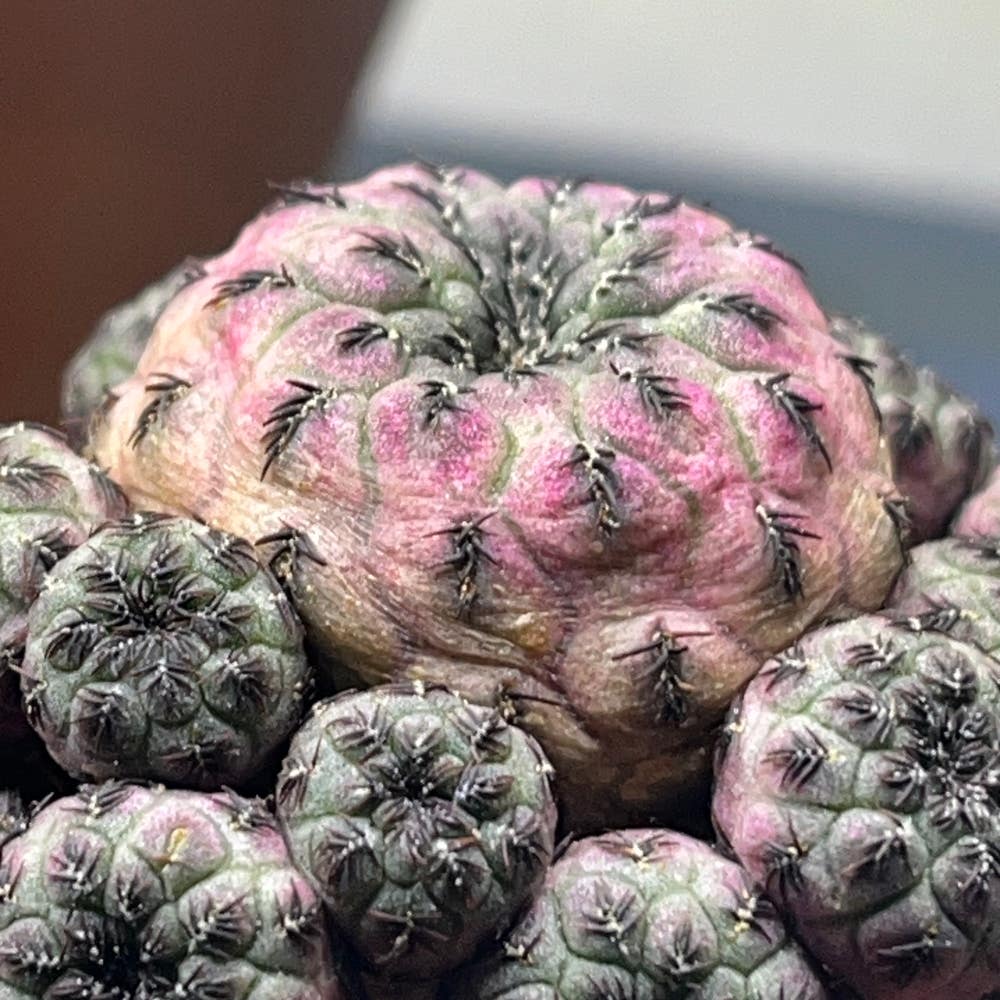
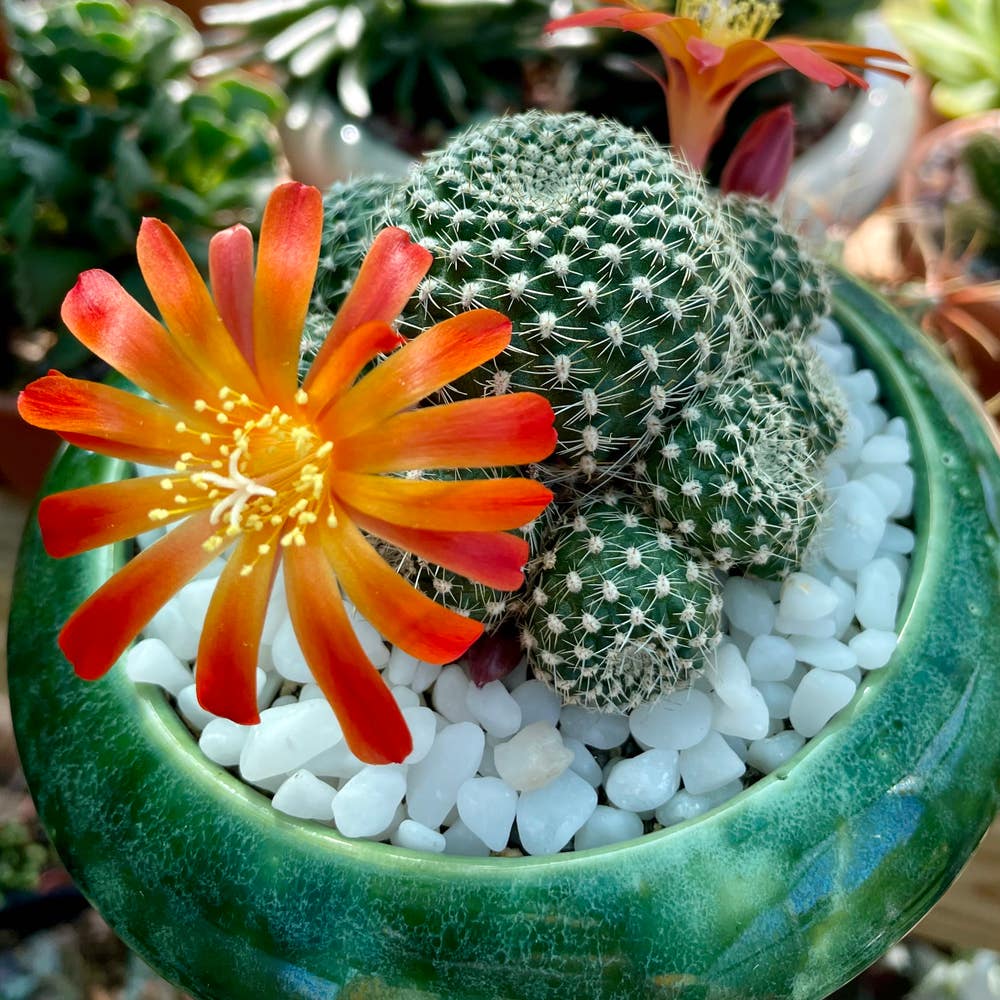
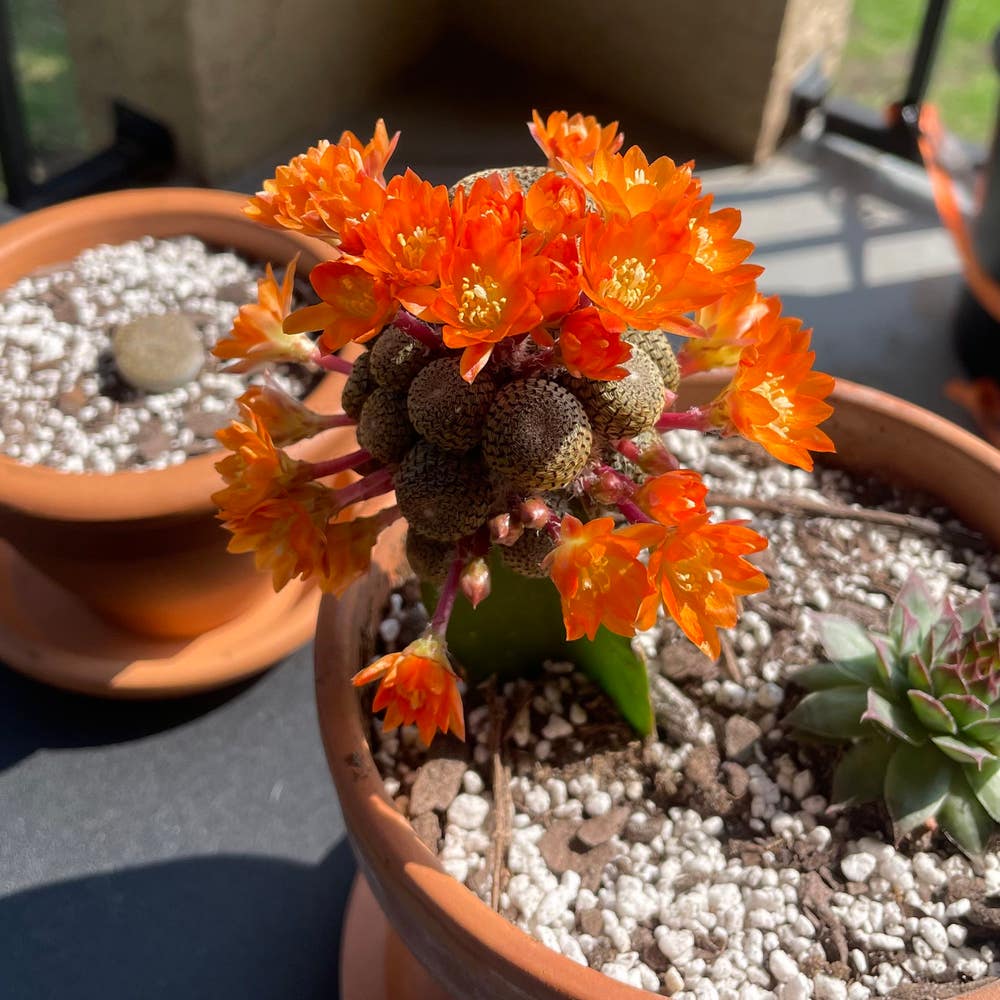
Rebutia fulviseta
By the Greg Editorial Team
Sep 30, 2024•3 min read
This article was created with the help of AI so we can cover more plants for you. May contain errors. See one? Report it here.
Unlock vibrant blooms and robust health for your Rebutia cactus 🌵 with essential outdoor care tips all year round! 🌞
- 🌞 Rebutia cacti need 6-8 hours of sunlight daily for optimal growth and blooms.
- 💧 Water every 2-4 weeks; overwatering leads to yellowing and mushy stems.
- ❄️ Seasonal care is vital: adjust watering and protect from heat and frost.
Outdoor Care Essentials
🌞 Sunlight Requirements
Rebutia cacti thrive in full sun, requiring 6-8 hours of direct sunlight daily. Insufficient light can lead to etiolation, where the plant stretches awkwardly, and reduced flowering, robbing you of its vibrant blooms.
During extreme heat, it's wise to provide partial shade during peak hours. This adjustment helps protect your cactus from sunburn and stress, ensuring it remains healthy and vibrant.
💧 Watering and Soil Guidelines
Water your Rebutia every 2-4 weeks during the growing season. This frequency helps maintain optimal moisture levels without drowning the plant.
Watch for signs of overwatering, such as yellowing or mushy stems. Understanding when to withhold water is crucial, as these cacti are drought-tolerant and prefer to dry out between waterings.
For soil, use a well-draining cactus mix or sandy loam. The ideal pH level is slightly acidic to neutral, ranging from 6.0 to 7.0, which promotes healthy growth.
Proper drainage is essential to prevent root rot. Ensure your pot has drainage holes and consider adding gravel to the bottom for extra support.
🌱 Planting Options
When it comes to planting, you have two main options: containers or in-ground. Container planting offers mobility and controlled conditions, but it limits root space.
In-ground planting allows for natural conditions, but you have less control over soil quality. Choose your pot or location wisely, considering size, drainage, and environmental exposure to optimize your cactus's growth.
🛡️ Protection from Environmental Factors
Protecting your Rebutia from environmental factors is vital. Use frost covers, heat shade, and wind barriers to shield your plants from harsh weather.
Be vigilant against common outdoor pests like aphids and mealybugs. Prevention methods include regular inspections and using neem oil to keep these nuisances at bay.
Diseases such as root rot and fungal infections can threaten your cactus. Proper watering practices and fungicides can help treat and prevent these issues effectively.
🍂 Seasonal Care Routines
Adjust your care routines with the seasons. In spring, prepare for growth by fertilizing and adjusting watering schedules.
Summer requires monitoring for heat stress and increasing watering frequency. Stay vigilant for pests during this time to keep your cactus healthy.
As fall approaches, reduce watering and adjust fertilization. Protect your plants from frost as temperatures drop.
In winter, indoor care for container plants is essential, while outdoor care for in-ground plants focuses on pest monitoring. This seasonal awareness ensures your Rebutia thrives year-round.
🌍 Climate Zone Considerations
Rebutia cacti flourish in USDA zones 9-11, where temperatures are ideal. Tailor your watering and fertilization routines to local conditions for the best results.
During heat waves, consider additional strategies to protect your plants. Frost protection methods are crucial in colder months, ensuring your cactus remains healthy despite fluctuating climates.
With these outdoor care essentials, you’re well-equipped to nurture your Rebutia cactus. Next, let’s explore the specific seasonal care routines that will keep your plant thriving throughout the year.
⚠️ Safety First
This content is for general information and may contain errors, omissions, or outdated details. It is not medical, veterinary advice, or an endorsement of therapeutic claims.
Always consult a qualified healthcare professional before using any plant as food, medicine, or supplement.
Never eat any plant (or feed one to pets) without confirming its identity with at least two trusted sources.
If you suspect poisoning, call Poison Control (800) 222-1222, the Pet Poison Helpline (800) 213-6680, or your local emergency service immediately.
Spotted an error? Please report it here.
Keep your Rebutia cactus thriving outdoors 🌵 with Greg's tailored watering alerts and sunlight tracking to ensure it blooms beautifully all season long!