🌵 Why Are the Leaves on My Rebutia fulviseta Turning Yellow?
Rebutia fulviseta
By the Greg Editorial Team
Mar 26, 2024•4 min read
This article was created with the help of AI so we can cover more plants for you. May contain errors. See one? Report it here.
Solve the yellow leaf mystery 🌿 of your Rebutia fulviseta and reclaim its lush green splendor!
- Overwatering and underwatering both lead to yellow leaves; check soil moisture.
- 🌞 Sunburn and pests can cause yellowing; rotate plant and inspect regularly.
- Fine-tune watering and sunlight exposure to prevent and treat yellow leaves.
Spotting the Signs: Yellowing Leaves on Rebutia fulviseta
🚰 Recognizing Overwatering Symptoms
Yellow leaves on your Rebutia fulviseta scream overwatering. If the soil's more bog than desert and the base of your cactus feels mushy, you've gone overboard with the H2O. A musty smell? That's the scent of regret—and potential root rot.
🏜️ Identifying Underwatering Issues
Conversely, leaves that are wrinkled and pleading for moisture indicate underwatering. If the soil is bone-dry and your plant's vigor is waning, it's time to quench its thirst, stat. But remember, it's a sip, not a gulp, that it needs.
🌞 Sunburn Signals
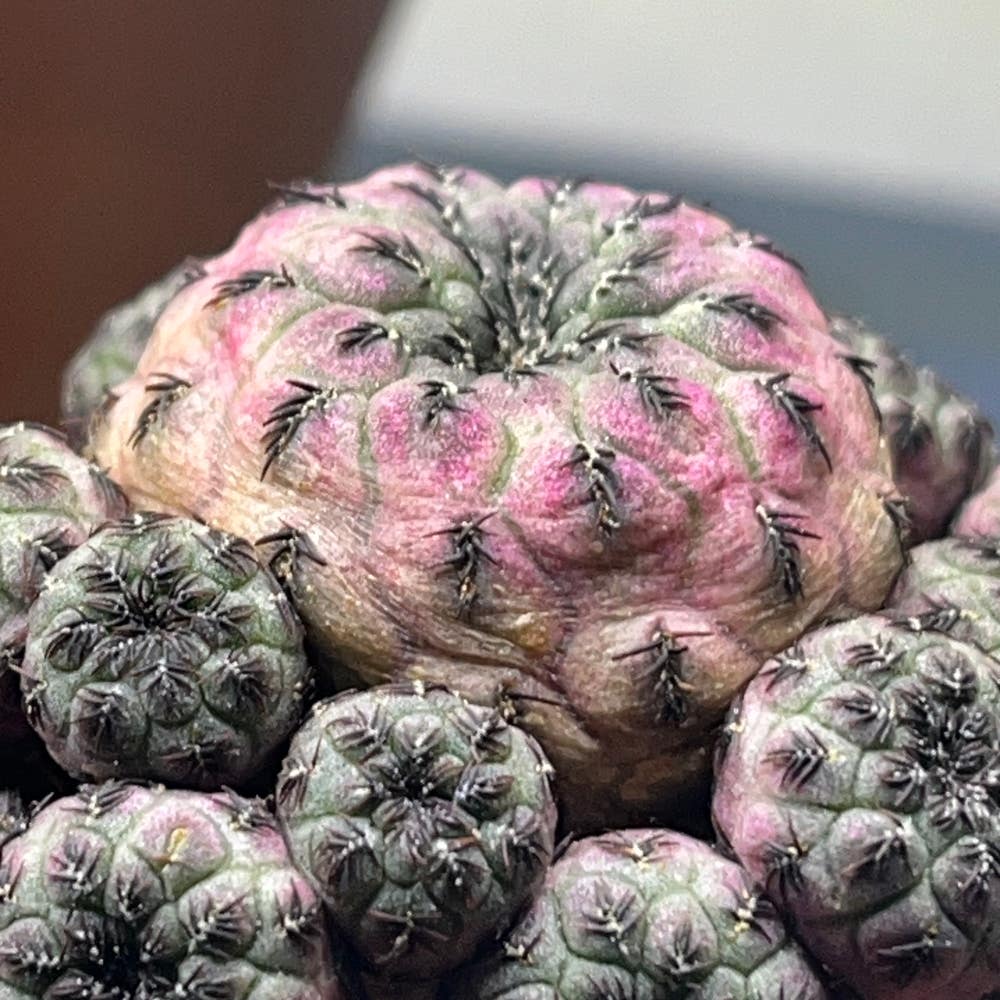
Sunburn is another culprit for yellowing leaves. Look for a pattern: if the yellowing is more pronounced on the sun-facing side, your Rebutia fulviseta might be telling you it's had too much of a good thing. Rotate the plant to ensure even light exposure and prevent further damage.
🐜 Pest-Related Yellowing
Pests are sneaky little critters that can also cause yellowing. Speckled leaves and a sticky residue are tell-tale signs. If you spot these, it's time to isolate your plant and deal with the uninvited guests before they turn your Rebutia fulviseta into a bug buffet.
Diagnosing the Cause of Yellow Leaves
💧 Assessing Watering Habits
Forget the calendar when it comes to watering; Rebutia fulviseta doesn't keep track of days. To check if thirst is the issue, stick your finger a couple of inches into the soil. Dryness at this depth signals it's time to water. But watch out, overzealous watering can be just as harmful. Balance is key.
🌞 Evaluating Sun Exposure
Yellow leaves might be your plant's way of crying out for a change in sunlight. If it's sporting a yellow hue, it's time to reassess its spot. Too much sun can scorch, too little can starve. Rotate the plant for uniform exposure, ensuring it gets its light fix without overdoing it.
🐜 Inspecting for Pests
Regular pest inspections are non-negotiable. Flip those leaves and peek into every nook for unwanted guests. Spot a bug? Insecticidal soap or neem oil can be your plant's knight in shining armor. Prevention is always better than cure, so keep that environment spick and span.
Turning Things Around: Treatment Strategies
💧 Fine-Tuning Watering Techniques
Watering is more art than science when it comes to Rebutia fulviseta. To prevent yellow leaves, adjust your watering frequency to the plant's needs. Check the soil before watering; it should be dry to the touch. Remember, it's a drink, not a bath—overwatering can drown the roots, leading to yellowing leaves.
🌞 Balancing Sunlight and Shade
Your Rebutia fulviseta craves the perfect balance of light. Too much sun can scorch leaves, while too little can weaken the plant. Aim for bright, indirect light. If outdoors, use a shade cloth to protect from intense midday rays. Indoors, a sheer curtain can diffuse harsh sunlight, providing a cozy glow without the burn.
🐜 Eradicating Pests
Pests are like uninvited guests at a party—they wreak havoc. Inspect your plant for aphids, mealybugs, or spider mites. If you spot trouble, show them the door with a blast of water or insecticidal soap. For persistent critters, neem oil is your ally. Consistency in pest control is key; regular checks can save your Rebutia fulviseta from a pest-induced yellowing nightmare.
Keeping Yellow Leaves at Bay: Prevention Tips
💧 Mastering the Art of Watering
Consistency in watering is your Rebutia fulviseta's best friend. Establish a routine that keeps the soil moist but never soggy. During winter, dial back on the H2O—your cactus isn't trying to win any swimming medals.
☀️ Creating the Ideal Sunlight Setup
Sunlight is like a double-edged sword; too much, and you're in burn territory, too little, and you're in the land of yellow leaves. Find that sweet spot where your Rebutia fulviseta can bask without baking. Rotate your plant regularly for even sun exposure.
🌿 Regular Health Checks
Routine inspections are like a health check-up for your plant. Flip those leaves and peek under for any unwanted guests. A vigilant eye catches early signs of trouble, allowing for swift action. Remember, cleanliness is next to pestlessness—keep those leaves dust-free.
Conclusion
Keep these tips in your plant care arsenal, and you'll be on your way to maintaining a Rebutia fulviseta that stays as green as an envious garden gnome.
⚠️ Safety First
This content is for general information and may contain errors, omissions, or outdated details. It is not medical, veterinary advice, or an endorsement of therapeutic claims.
Always consult a qualified healthcare professional before using any plant as food, medicine, or supplement.
Never eat any plant (or feed one to pets) without confirming its identity with at least two trusted sources.
If you suspect poisoning, call Poison Control (800) 222-1222, the Pet Poison Helpline (800) 213-6680, or your local emergency service immediately.
Spotted an error? Please report it here.
Keep your Rebutia fulviseta's leaves radiantly green 🌿 with Greg's custom care reminders, ensuring just the right balance of water and sunlight to avoid yellowing.