Fertilizing My Rebutia fulviseta
Rebutia fulviseta
By the Greg Editorial Team
Mar 26, 2024•4 min read
This article was created with the help of AI so we can cover more plants for you. May contain errors. See one? Report it here.
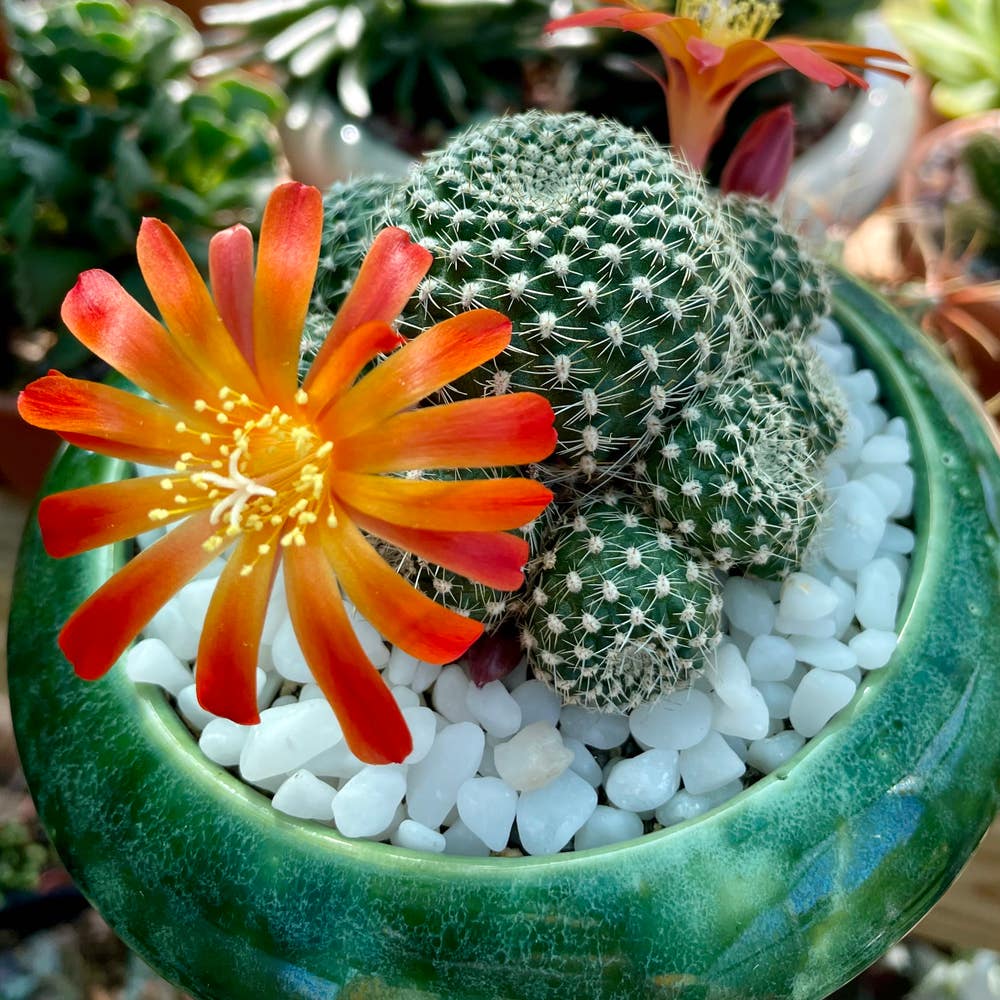
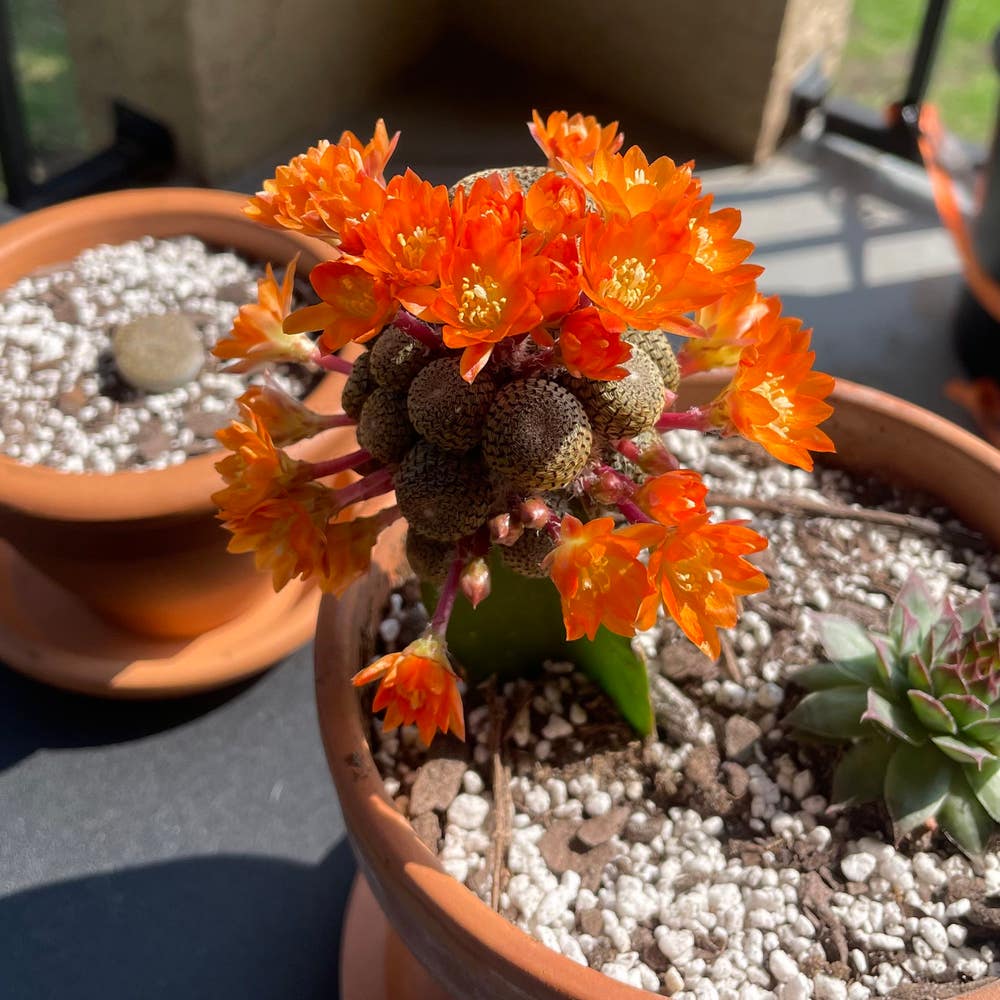
Achieve vibrant Rebutia blooms 🌸 by mastering fertilization without the overfeeding oops! 🌵
- Low N, high P-K for blooms: Nitrogen for greenery, phosphorus, and potassium for flowers.
- Fertilize monthly in growth: Avoid during dormancy to let cactus rest.
- Dilute and apply carefully: Half-strength to soil, watch for over-fertilization signs.
Picking the Perfect Fertilizer for Your Rebutia
💪 Balanced Diet: Understanding N-P-K Ratios
Nitrogen is the gym buff that bulks up your Rebutia's greenery, but when it comes to flowers, it's all about phosphorus and potassium. Think of them as the personal trainers for blooms—they whip those buds into shape. A low-N, high-P-K ratio, like 5-10-10, is your ticket to a floral show that'll make the neighbors jealous.
🌶️ The Micronutrient Mix
Micronutrients are like the secret spices in a gourmet dish—easy to overlook but critical for that zing. Iron and magnesium? They're the unsung heroes making sure your Rebutia's blooms are not just present, but vivid and full of life. Without them, you might as well say goodbye to those Instagram-worthy flowers.
Timing is Everything: When to Fertilize
🌱 Growing Season Guidelines
During the active growing season, your Rebutia fulviseta is like a sprinter in the blocks – ready to burst forth with growth. Monthly fertilizing is the coach's whistle, signaling it's time to go. Start as the cactus wakes up in spring and keep at it through summer. But keep your eyes peeled; if your cactus seems off, it's time to reassess your game plan.
🛌 The Dormant Period
When the cooler months roll in, your Rebutia hits the brakes. No fertilizing during dormancy; it's like giving espresso to someone trying to sleep. Let your cactus chill – it's building up for next season's show. Overdoing it now is like stuffing a turkey after Thanksgiving – unnecessary and a bit ridiculous.
Fertilizing Step by Step
💧 The Dilution Solution
Creating the perfect nutrient mix for your Rebutia fulviseta starts with dilution. Overpowering your cactus with a concentrated dose is akin to chugging an espresso when all you needed was a gentle tea. Half-strength is the mantra here; mix your liquid fertilizer to this level to avoid the dreaded nutrient burn. Precision is your friend, so arm yourself with a syringe or measuring cup to ensure you're not overdoing it.
🌱 Root Zone Rituals
When it comes to applying the fertilizer, think of the root zone as the VIP area at a club—only the right guests get in. Pour your carefully diluted mixture directly onto the soil, steering clear of the leaves to prevent any unsightly damage. Ensure the soil is pre-moistened if it's dry; this creates a cozy environment for the nutrients to be absorbed. After feeding, a light watering can help any residual fertilizer to percolate down to the roots, tucking it in just right. Remember, even distribution is key; you want every root to get a sip of that nutrient-rich cocktail.
Recognizing and Rescuing from Over-Fertilization
🚨 Spotting the Signs
Leaf discoloration is a telltale sign of over-fertilization. If your Rebutia fulviseta starts to show yellowing leaves with dark-green veins, it's time to take action. Brown tips or edges on the leaves indicate a nutrient overload. A crusty buildup of salts on the soil's surface is another red flag. These symptoms are your plant's way of saying it's had too much of a good thing.
🛠️ The Recovery Plan
When you've gone overboard with fertilizer, the first step is to stop all fertilization immediately. Your cactus needs a break to recover. Begin the rescue mission by flushing the soil with water to wash away excess nutrients. This should be done several times, allowing the water to drain freely each time. Be careful not to over-water; you don't want to trade one problem for another.
Trim away any severely damaged foliage. These parts of the plant are unlikely to recover and can sap energy from the healthier areas. If your Rebutia fulviseta is potted, consider repotting it with fresh, nutrient-free soil to give it a fresh start. Patience is key; recovery from over-fertilization can be slow, but with careful attention, your cactus can bounce back to its full glory.
⚠️ Safety First
This content is for general information and may contain errors, omissions, or outdated details. It is not medical, veterinary advice, or an endorsement of therapeutic claims.
Always consult a qualified healthcare professional before using any plant as food, medicine, or supplement.
Never eat any plant (or feed one to pets) without confirming its identity with at least two trusted sources.
If you suspect poisoning, call Poison Control (800) 222-1222, the Pet Poison Helpline (800) 213-6680, or your local emergency service immediately.
Spotted an error? Please report it here.
Ensure your Rebutia fulviseta's blooms 🌺 dazzle without the danger of over-fertilization by relying on Greg's precise reminders for a perfect feeding schedule.