🌵 What Do Rebutia fulviseta Flowers Mean?
Rebutia fulviseta
By the Greg Editorial Team
Mar 26, 2024•5 min read
This article was created with the help of AI so we can cover more plants for you. May contain errors. See one? Report it here.
Unearth the secrets to a thriving Rebutia fulviseta and bask in the bloom that marks your green thumb success! 🌸🏆
- Blooms signify health and bring joy and pride to growers.
- 🌵 Cultural significance: Rebutia fulviseta flowers symbolize resilience.
- Badge of honor: Flowering showcases a grower's skill in cactus communities.
The Blooming Marvel: When Rebutia fulviseta Shows Off
🌸 What Flowering Indicates About Plant Health
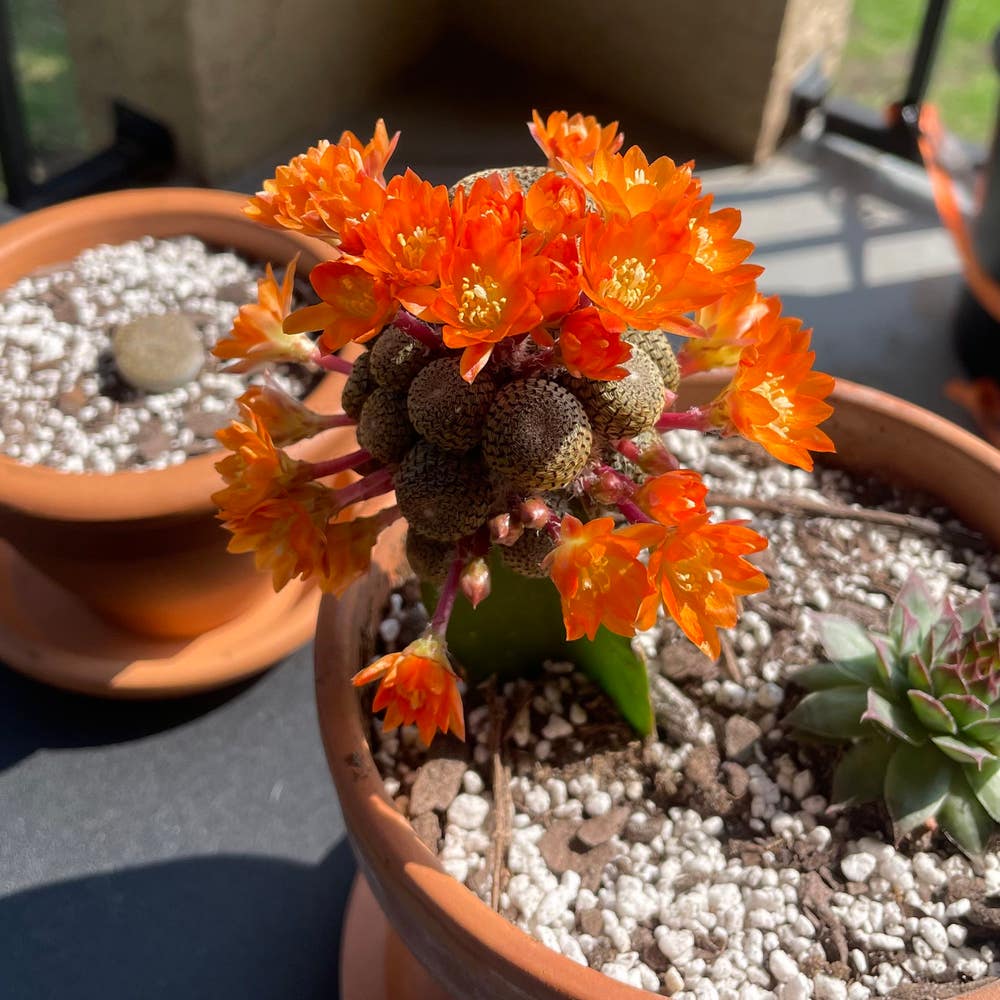
Robust blooms are like a cactus's flex, showcasing its vitality. When Rebutia fulviseta bursts into flower, it's not just showing off; it's a sign of a plant in its prime. No brown spots, no wilting—just pure, unadulterated plant swagger.
🌼 The Emotional Impact of a Blooming Rebutia fulviseta
Witnessing your Rebutia fulviseta in full bloom can feel like a personal victory. It's a joyful moment, a mix of pride and awe, as if your cactus is giving you a high-five for all the care you've poured into it.
Decoding the Language of Flowers: Rebutia fulviseta Edition
🌺 Cultural and Symbolic Significance
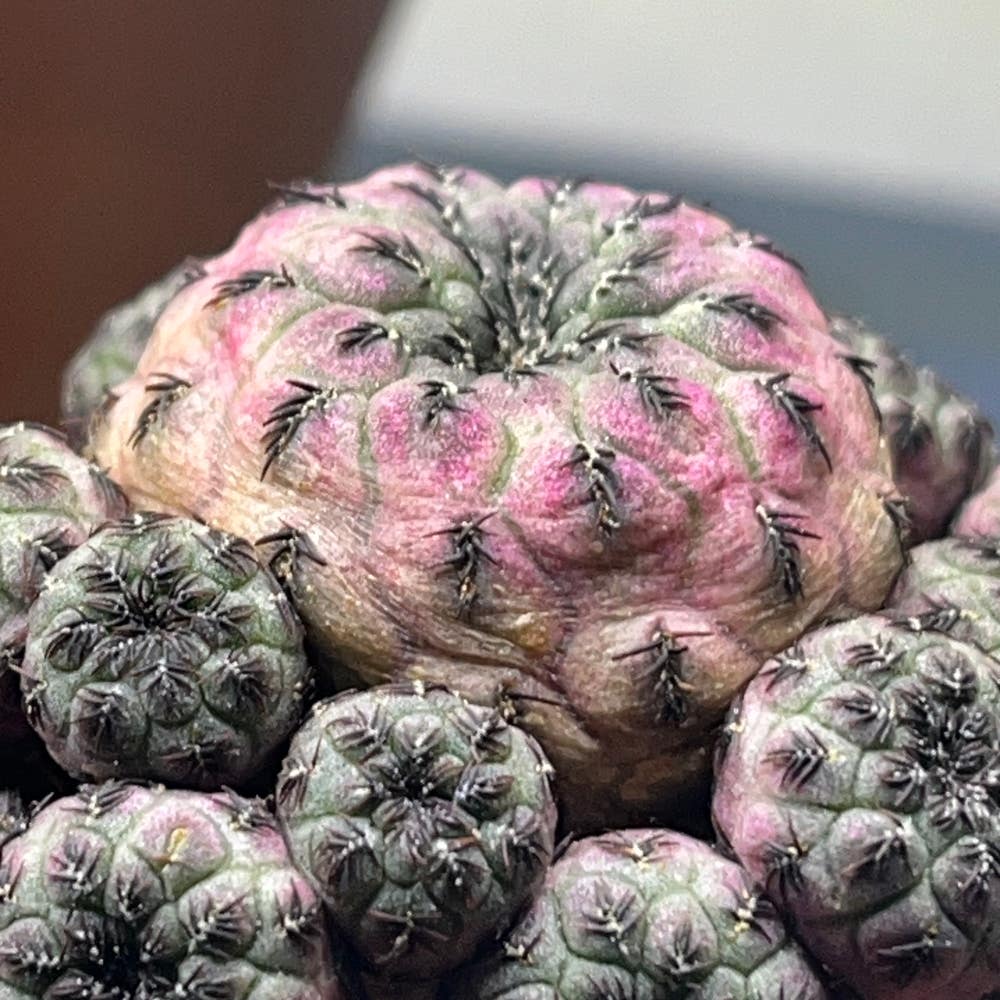
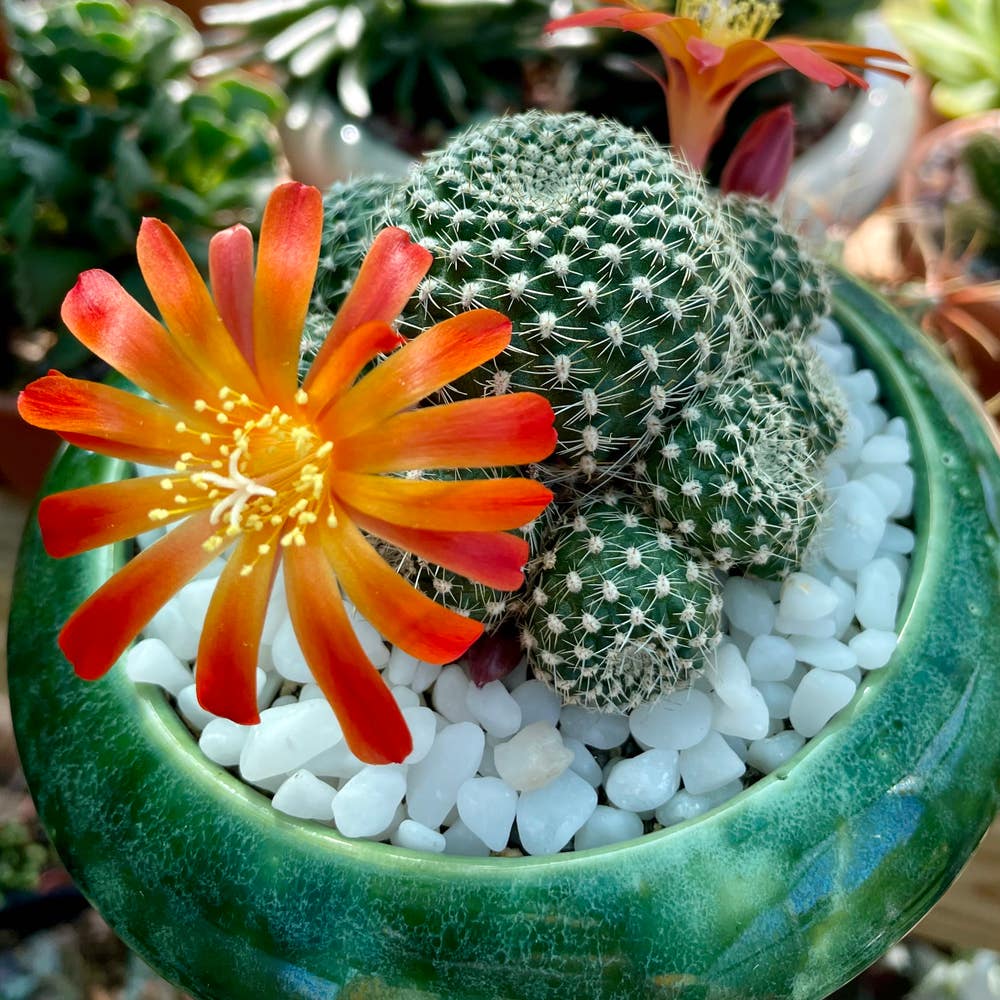
In the understated world of cacti, Rebutia fulviseta stands out with its small but vibrant blooms. These flowers carry more than just aesthetic value; they are steeped in symbolism. In many cultures, cacti represent resilience and the ability to thrive in challenging conditions. The Rebutia fulviseta, with its bronzed purple skin and fiery red flowers, adds a layer of passion and vitality to this narrative. It's a botanical nod to enduring through adversity while maintaining one's radiant charm.
🏅 A Badge of Honor in Cactus Communities
For the cactus enthusiast, a blooming Rebutia fulviseta is akin to a medal of honor. It's not just about the visual spectacle; it's a testament to the grower's skill and dedication. Flowering cacti are often seen as a barometer of care and attention, and when Rebutia fulviseta bursts into bloom, it's a clear sign that the grower has mastered the art of cactus cultivation. In horticultural circles, this earns you serious bragging rights—a recognition that you've got the green thumb that can coax life into vibrant display even from the most stoic of plants.
The Recipe for Rebutia fulviseta Blooms
💐 Seasonal and Environmental Triggers
Spring is showtime for Rebutia fulviseta, with its stunning blooms signaling a healthy cactus. To ensure a spectacular floral display, winter care is critical. A cool, sheltered environment during the colder months sets the stage for summer blooms.
🌵 Feeding Your Cactus for Flower Success
Nutrients are the unsung heroes of the blooming process. A specialized cactus fertilizer, applied monthly at half the recommended strength, provides the necessary boost. Phosphorus and potassium are particularly vital, promoting root development and plant health for vibrant, long-lasting flowers. Remember, less is often more—overfeeding can lead to nutrient build-up and harm your cactus.
Encouraging Rebutia fulviseta to Flower
💐 The Right Home: Potting and Soil Secrets
Pot selection is more than just an aesthetic choice; it's a strategic one. For Rebutia fulviseta, think snug but not cramped. Choose a pot just a size up from the current one to give those roots room to breathe without drowning in soil. And drainage holes? Non-negotiable.
Soil mix is the unsung hero here. Aim for a well-draining concoction that's like a backstage pass for nutrients—accessible but not overwhelming. A standard cactus mix usually hits the mark, but feel free to tweak with sand or perlite for that perfect drainage harmony.
💧 Water Wisdom and Light Love
Watering is a delicate dance with Rebutia fulviseta. Too much, and you're at a soggy standstill; too little, and you're high and dry. Let the topsoil dry out between waterings, but don't let the whole pot become a desert.
Light is like the spotlight on a solo act—it needs to be just right. Bright, indirect light is your best bet. If you can, give it that coveted sunny window seat, but shield it from the harsh midday glare. Remember, these cacti are not sunbathers; they're more like the cool kids who hang out in the bright shade.
When Blooms Are Bashful: Troubleshooting Flowering Challenges
🌸 Identifying and Overcoming Flowering Hurdles
Rebutia fulviseta can be a bit of a diva when it comes to blooming. Lighting is often the make-or-break factor. Too much sun can scorch its delicate skin, while too little leaves it underwhelmed and bloom-less. Aim for that sweet spot of bright, indirect light.
Temperature also plays a critical role. These cacti prefer it on the warmer side, so if your home is mimicking an icebox, you might want to turn up the heat. But don't go tropical; Rebutia fulviseta isn't a fan of humidity.
Watering is a tightrope walk. Overdo it, and you're throwing a pool party for root rot. Underdo it, and your cactus is thirstier than a traveler in the Sahara. Aim for moist soil that's not soggy.
Pests can be party poopers, too. Aphids and spider mites love to crash the bloom party. Keep an eye out and evict them promptly.
🌼 Post-Bloom Care to Keep the Flowers Coming
After the show's over, don't slack on the care. Pruning is like a post-bloom pep talk; it tells your Rebutia fulviseta to get ready for the next round. But remember, it's a gentle encouragement, not a back-alley mugging—prune with care.
Soil quality doesn't lose its importance post-bloom. Replenish nutrients with a well-balanced fertilizer, but don't go overboard. Think of it as a well-seasoned dish, not a salt mine.
Finally, consistency is key. Keep the care routine steady to avoid stressing out your cactus. It's not a fan of change, so keep its environment as stable as possible to encourage future blooms.
⚠️ Safety First
This content is for general information and may contain errors, omissions, or outdated details. It is not medical, veterinary advice, or an endorsement of therapeutic claims.
Always consult a qualified healthcare professional before using any plant as food, medicine, or supplement.
Never eat any plant (or feed one to pets) without confirming its identity with at least two trusted sources.
If you suspect poisoning, call Poison Control (800) 222-1222, the Pet Poison Helpline (800) 213-6680, or your local emergency service immediately.
Spotted an error? Please report it here.
Achieve a badge of honor 🏅 with your Rebutia fulviseta's vibrant blooms, guided by Greg's personalized care reminders and expert community advice.