Attracting Pollinators to Your Rebutia Cactus 🐝
Rebutia fulviseta
By the Greg Editorial Team
Sep 30, 2024•6 min read
This article was created with the help of AI so we can cover more plants for you. May contain errors. See one? Report it here.
Unlock vibrant blooms and resilient growth for your Rebutia cactus through effective pollination techniques! 🌱
- 🌼 Rebutia Cactus self-pollinates, ensuring seed production even without pollinators.
- 🐝 Attract bees and butterflies by planting vibrant flowers alongside your Rebutia.
- 🌿 Create a pollinator-friendly habitat with water sources and companion plants for success.
Self-Pollination vs. Cross-Pollination
Self-Pollination 🌱
The Rebutia Cactus is a champion of self-pollination, enabling it to reproduce without relying on external pollinators. This ability guarantees seed production, even in isolated environments, making it a resilient choice for gardeners.
Self-pollination is not just a survival tactic; it’s also a quick and efficient process. The unique structure of the cactus's flowers facilitates this, allowing pollen to easily reach the stigma without much fuss.
Cross-Pollination 🌼
While self-pollination is effective, cross-pollination introduces a whole new level of genetic diversity. This diversity is crucial for enhancing the resilience and adaptability of the Rebutia Cactus.
Understanding the role of cross-pollination can empower gardeners to create healthier plants. By encouraging this process, you can help your cactus thrive in a variety of conditions, making it more robust against potential threats.
With a solid grasp of these pollination methods, you're well on your way to nurturing a thriving Rebutia Cactus. Next, let’s dive into the fascinating structure of its flowers and how they play a pivotal role in attracting pollinators.
Flower Structure
Description of Flower Parts 🌺
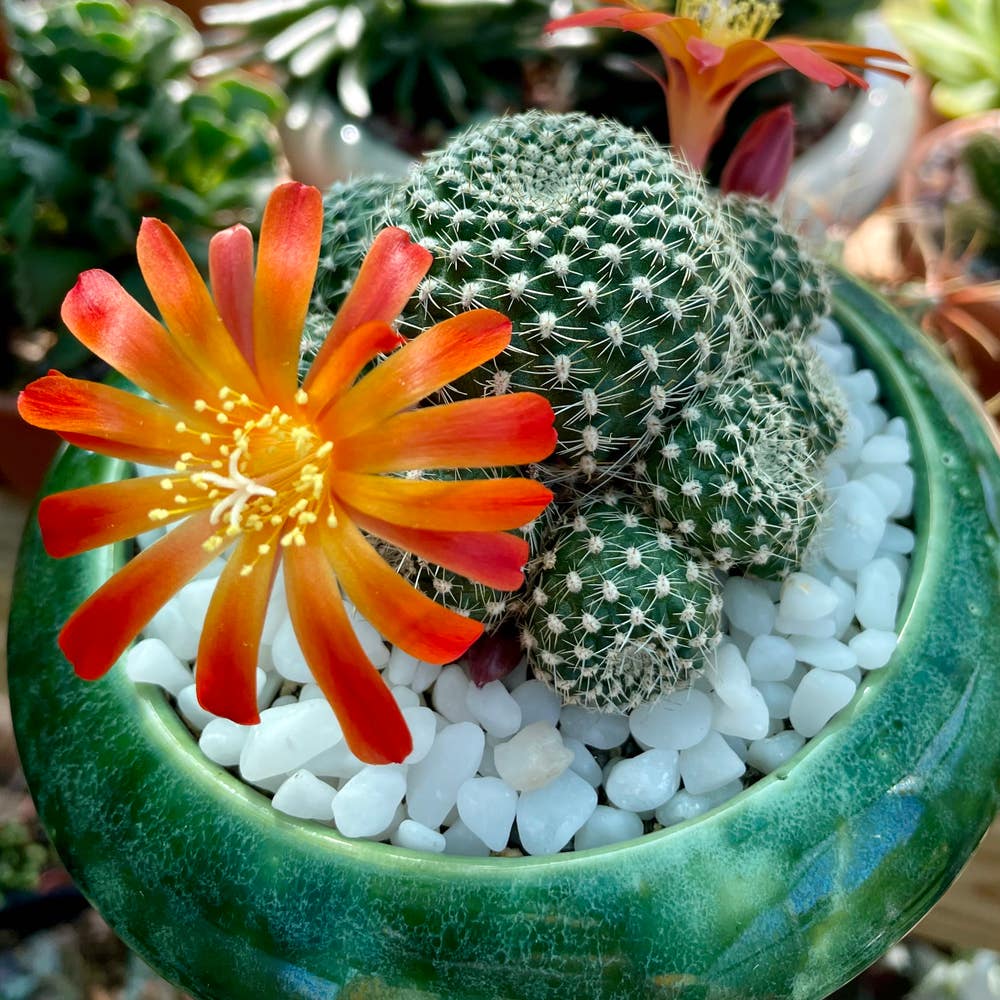
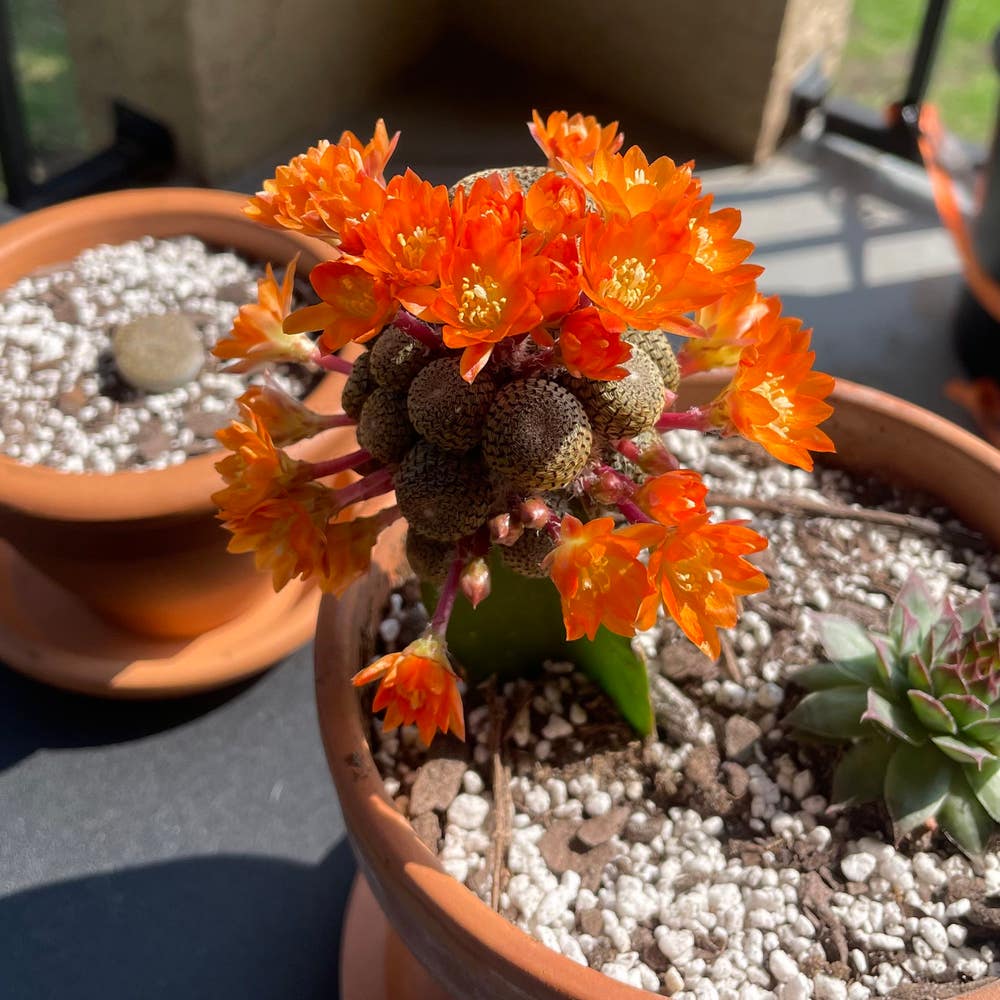
Rebutia cacti showcase small, vibrant flowers that bloom in striking colors like red, yellow, and orange. These petals are encased by sepals, which serve as protective outer layers for the flower bud.
The male reproductive parts, known as stamens, produce pollen essential for reproduction. Meanwhile, the pistils, the female parts at the center of the flower, are designed to receive this pollen.
How Flower Structure Facilitates Pollination 🐝
The arrangement of these flower parts is cleverly designed to promote easy access for pollinators. This accessibility is crucial, especially since Rebutia flowers are short-lived, necessitating timely pollination for successful seed production.
Understanding the intricacies of flower structure not only enhances your appreciation for these plants but also aids in attracting the right pollinators. As we delve deeper into natural pollination, you'll discover how these features play a pivotal role in the ecosystem.
Natural Pollination
🌬️ Pollen Transfer Mechanisms
Natural pollination in Rebutia cacti relies on two primary mechanisms: wind and insect activity. The unique shape of the flowers plays a crucial role, making it easier for pollinators to access the pollen.
🐝 Primary Pollinator Species
Several species are key players in the pollination process:
Bees
Bees are particularly attracted to the bright colors and sweet nectar of Rebutia flowers. Their diligent foraging helps transfer pollen effectively.
Butterflies
Butterflies are drawn to the flower's shape and vibrant hues. They contribute significantly to pollination as they flit from bloom to bloom.
Moths
Active during the evening, moths enhance nighttime pollination. Their nocturnal visits ensure that pollen transfer continues even after sunset.
Hummingbirds
With their long beaks, hummingbirds can access nectar deep within the flowers. This unique adaptation allows them to facilitate pollen transfer efficiently.
Understanding these pollinators and their behaviors can significantly enhance your efforts in attracting them to your Rebutia cactus. As we explore hand pollination next, you'll discover how to take matters into your own hands when nature needs a little help.
Hand Pollination
Hand pollination can be a rewarding way to ensure your Rebutia cactus produces seeds. This method is especially useful when natural pollinators are scarce or when you want to control the pollination process.
📝 Step-by-Step Instructions for Hand Pollination
Identify Male and Female Flower Parts:
- Male: Look for stamens, which are the parts that produce pollen.
- Female: Identify the pistil at the center of the flower; this is where the pollen needs to land.
Collecting Pollen:
- Use a small brush or cotton swab to gently gather pollen from the stamens. This step is crucial for effective pollination.
Transferring Pollen:
- Carefully apply the collected pollen to the stigma of the pistil. This transfer is vital for fertilization.
-
- Perform hand pollination during the flowering season when the flowers are open. Timing can significantly impact your success rate.
🔍 Identifying Male and Female Flower Parts
Understanding flower anatomy is key to successful hand pollination.
- Visual Guide: Familiarize yourself with the appearance of stamens and pistils. This knowledge will make the process smoother and more efficient.
- Importance: Recognizing these parts ensures that you’re applying pollen correctly, maximizing your chances of seed production.
With these steps, you can actively participate in the pollination process, enhancing your Rebutia cactus's reproductive success. Now that you’re equipped with hand pollination techniques, let’s explore how to create a pollinator-friendly environment to support these beautiful plants.
Supporting Pollinators
🌼 Creating a Pollinator-Friendly Environment
To attract pollinators to your Rebutia cactus, start by planting native flowers that bloom at the same time. This not only provides food sources but also creates a vibrant ecosystem that encourages pollinator visits.
Additionally, ensure there are water sources and shelter available. Pollinators need hydration and safe spaces to thrive, so consider adding small water features or dense foliage nearby.
🌸 Companion Plants to Attract Pollinators
Companion planting is a fantastic way to enhance your garden's appeal to pollinators. Here are some excellent choices:
- Marigolds: These bright flowers attract beneficial insects, which can help with overall garden health.
- Lavender: Known for its delightful fragrance, lavender draws in bees and butterflies, making it a perfect companion.
- Other Flowering Plants: Look for plants that bloom during the same season as your Rebutia cactus to ensure a continuous food supply for pollinators.
By creating a welcoming environment and choosing the right companion plants, you can significantly boost pollinator activity around your Rebutia cactus. This not only aids in pollination but also contributes to a healthier garden ecosystem.
As you nurture these relationships, you'll find that supporting pollinators enriches your gardening experience and enhances the beauty of your space. Next, let’s explore the challenges that can arise during the pollination process.
Pollination Challenges
Common Obstacles to Successful Pollination 🌪️
Pollination can be tricky for your Rebutia cactus due to several environmental factors. Temperature fluctuations and humidity levels can significantly impact pollinator activity, making it harder for them to do their job.
Additionally, the short flowering duration of the Rebutia cactus means that the window for successful pollination is limited. If conditions aren't just right, you might miss out on seed production.
Solutions for Overcoming Pollination Challenges 🛠️
Fortunately, there are effective strategies to tackle these challenges. Using shade cloth can help regulate temperature, creating a more stable environment for your plants and their pollinators.
Consistent watering is also crucial to maintain humidity levels, ensuring that pollinators remain active.
To further enhance your garden, consider encouraging a diverse pollinator population. Planting a variety of flowers and providing shelter can attract more pollinators, increasing the chances of successful pollination for your Rebutia cactus.
By addressing these challenges, you can create a thriving ecosystem that supports both your cactus and its pollinators. This proactive approach not only benefits your plants but also contributes to a healthier garden environment.
⚠️ Safety First
This content is for general information and may contain errors, omissions, or outdated details. It is not medical, veterinary advice, or an endorsement of therapeutic claims.
Always consult a qualified healthcare professional before using any plant as food, medicine, or supplement.
Never eat any plant (or feed one to pets) without confirming its identity with at least two trusted sources.
If you suspect poisoning, call Poison Control (800) 222-1222, the Pet Poison Helpline (800) 213-6680, or your local emergency service immediately.
Spotted an error? Please report it here.
Boost your Rebutia Cactus's resilience and attract essential pollinators 🌺 by using Greg's tailored care tips and watering reminders to create a thriving garden ecosystem!