Rebutia Cactus: Not an Annual 🌵
Rebutia fulviseta
By the Greg Editorial Team
Sep 30, 2024•5 min read
This article was created with the help of AI so we can cover more plants for you. May contain errors. See one? Report it here.
Unlock the secret to thriving gardens with resilient Rebutia cacti, your stunning perennial companions! 🌵✨
- 🌵 Rebutia cacti are perennials, thriving in harsh, arid environments for over a decade.
- 💧 Exceptional water storage allows Rebutia to endure drought and extreme temperatures.
- 🌼 Vibrant blooms in spring and summer highlight their perennial nature and attract pollinators.
Rebutia Cactus as a Perennial
🌱 Genetic Characteristics
Rebutia cacti are marvels of adaptation, specifically designed for survival in arid environments. Their genetic makeup equips them with traits that allow them to thrive under harsh conditions, including extreme temperatures and prolonged drought.
This resilience is key to their classification as perennials. Unlike annuals, which complete their life cycle in a single year, Rebutia cacti endure, showcasing their ability to withstand environmental stressors.
💧 Physiological Traits Supporting Perennial Classification
One of the standout features of Rebutia cacti is their remarkable water storage capability. They possess unique adaptations that enable them to retain moisture, making them well-suited for dry habitats.
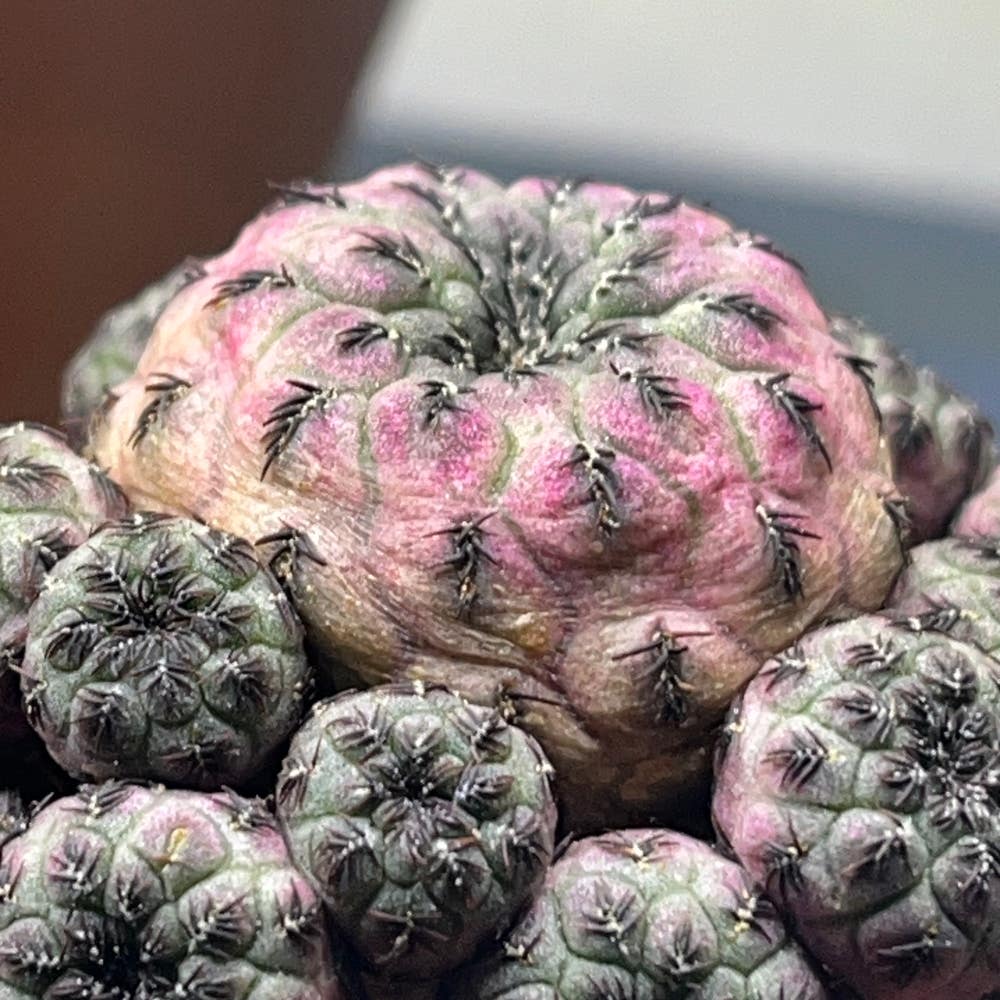
Their small, globular shape is another physiological trait that supports their perennial nature. This growth form not only conserves water but also allows them to endure fluctuating environmental conditions over time.
⏳ Long-Term Lifecycle
Rebutia cacti boast impressive lifespans, often living for several years and frequently exceeding a decade. This longevity is a testament to their perennial classification.
Their growth stages are equally fascinating. Initially, they exhibit slow growth, but this is followed by vibrant periods of flowering and seed production, ensuring their continued presence in the landscape.
As we explore the growth and reproductive strategies of Rebutia cacti, we’ll uncover how these traits contribute to their enduring appeal in gardens and landscapes.
Growth and Reproductive Strategies
🌱 Growth Patterns
Rebutia cacti exhibit a slow to moderate growth rate, influenced by their environmental conditions. This adaptability allows them to thrive in various settings, making them resilient perennials.
Offsets, or pups, are a key feature of Rebutia's growth strategy. These small offshoots not only enhance the plant's aesthetic appeal but also contribute to its longevity and ability to reproduce.
🌼 Flowering Cycles and Seed Production
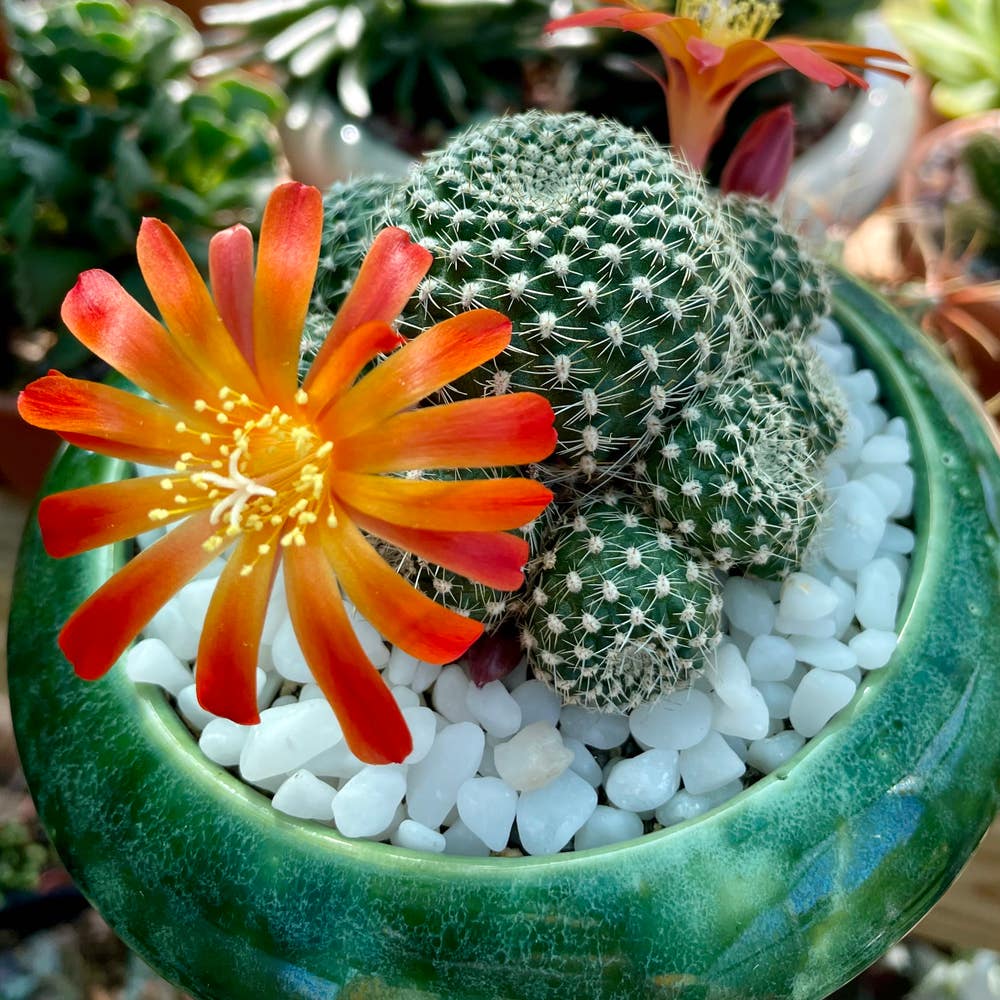
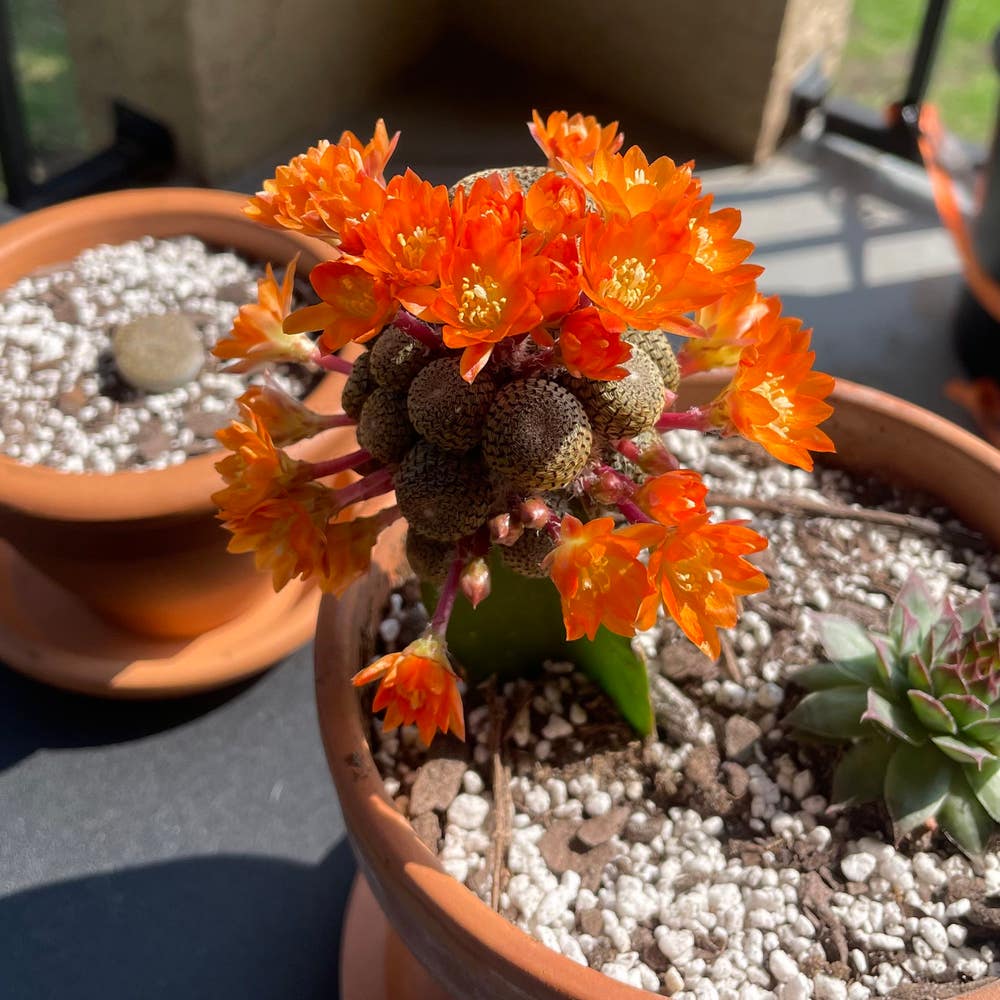
Typically, Rebutia blooms in spring and summer, showcasing vibrant flowers that attract pollinators. This flowering frequency is a hallmark of its perennial nature, as it continues to produce blooms year after year.
Unlike true annuals, Rebutia can produce seeds annually. This capability ensures that even in less-than-ideal conditions, the plant can propagate and sustain its lineage.
📊 Comparison with True Annuals
The lifespan of Rebutia starkly contrasts with that of annuals, which complete their lifecycle in just one year. Rebutia, on the other hand, continues to grow and reproduce over multiple years, solidifying its status as a perennial.
Resource allocation also differs significantly. While annuals focus primarily on seed production, Rebutia balances its energy between growth and reproduction, ensuring a robust and thriving presence in any garden.
This unique growth and reproductive strategy not only enhances its survival but also enriches the gardening experience. As we delve deeper into the misconceptions surrounding Rebutia, we’ll uncover how environmental factors can influence its classification.
Misconceptions and Exceptions
🌵 Conditions Where Rebutia Might Be Mistaken for an Annual
Rebutia cacti can sometimes be misidentified as annuals due to environmental stressors. Extreme drought or poor soil conditions can stunt their growth, leading to a perception that they are short-lived.
Improper care, such as overwatering, can also contribute to a reduced lifespan. When these cacti receive too much moisture, they may struggle to thrive, further blurring the lines between perennial and annual classifications.
🌍 Regional Variations Affecting Classification
Rebutia cacti are native to the Andes, where they flourish in specific habitats. However, when planted in non-native environments, they may face challenges that hinder their growth.
Climate plays a significant role in their development. Variations in temperature and humidity can affect their growth patterns, making it essential to consider local conditions when cultivating these resilient plants.
Understanding these misconceptions helps gardeners appreciate the true nature of Rebutia cacti. By recognizing the factors that influence their growth, you can better care for them and enjoy their beauty for years to come.
Gardening Implications
🌱 Advantages of Planting as a Perennial
Rebutia cacti offer remarkable longevity, providing long-term beauty and interest in your garden. Unlike annuals, these resilient plants require less frequent replacement, making them a low-maintenance choice.
🏡 Garden Design Strategies
When it comes to placement, Rebutia cacti shine in rock gardens and xeriscaping. They also serve as stunning focal points in perennial beds, adding texture and color.
Companion planting is another effective strategy. Pairing Rebutia with other drought-tolerant plants creates a cohesive design that thrives in similar conditions.
⏳ Tips for Maximizing Longevity
Soil selection is crucial for the health of your Rebutia. Opt for well-draining soil to prevent root rot, ensuring your cactus can thrive.
Establishing a proper watering schedule is equally important. Allow the soil to dry out between watering to mimic the cactus's natural habitat, promoting healthy growth.
By understanding these gardening implications, you can enjoy the beauty of Rebutia cacti for years to come. Next, let’s explore the best practices for managing these unique perennials effectively.
Management and Care
Best Practices for Managing as a Perennial 🌵
Managing your Rebutia cactus effectively ensures its longevity and vibrant growth. Start with pruning; regularly remove dead flowers and offsets to promote healthy development.
Fertilization is minimal for Rebutia. Focus on maintaining well-draining soil to prevent issues and support its natural growth.
Seasonal Considerations 🌸
Spring is the perfect time for repotting and fertilizing your cactus. This season encourages new growth and prepares your plant for the warmer months ahead.
In winter, protect your Rebutia from frost and extreme cold. This step is crucial for its survival during harsh weather conditions.
Common Challenges and Solutions ⚠️
Overwatering is a common pitfall for many cactus owners. Look for signs of root rot, such as yellowing or mushy stems, and adjust your watering schedule accordingly.
Pest management is also essential. Keep an eye out for common pests like mealybugs and spider mites, and treat them promptly to maintain your cactus's health.
By following these management and care tips, you can ensure your Rebutia thrives as a perennial in your garden. Next, let’s explore the gardening implications of choosing Rebutia for your landscape.
⚠️ Safety First
This content is for general information and may contain errors, omissions, or outdated details. It is not medical, veterinary advice, or an endorsement of therapeutic claims.
Always consult a qualified healthcare professional before using any plant as food, medicine, or supplement.
Never eat any plant (or feed one to pets) without confirming its identity with at least two trusted sources.
If you suspect poisoning, call Poison Control (800) 222-1222, the Pet Poison Helpline (800) 213-6680, or your local emergency service immediately.
Spotted an error? Please report it here.
Ensure your Rebutia cactus thrives for years to come 🌵 with Greg's tailored care tips that help you navigate its unique needs and keep it flourishing!