How to Propagate Your Rebutia fulviseta
Rebutia fulviseta
By the Greg Editorial Team
Mar 26, 2024•5 min read
This article was created with the help of AI so we can cover more plants for you. May contain errors. See one? Report it here.
Propagate Rebutia fulviseta like a pro—watch your cactus family grow! 🌵✨
- Seed propagation mimics desert with well-draining soil and light sand cover.
- Offsets need bright light, less water to encourage root growth.
- Stem cuttings thrive with humidity, patience, and careful watering.
Sowing the Future: Seed Propagation
🌱 Collecting the Right Seeds
Harvesting Rebutia fulviseta seeds is a task of precision and patience. Wait for the fruit to naturally desiccate on the cactus, then gently remove and open them to access the seeds. It's crucial to clean the seeds meticulously, ensuring no remnants of fruit or debris remain.
🌵 Sowing Seeds Step-by-Step
Prepare a well-draining soil mix, typically a blend of sand and compost, to welcome the seeds. Scatter them across the surface, then lightly cover with a fine layer of sand. This mimics their natural desert conditions, where seeds are often dispersed by wind and shallowly buried.
🌡 Creating the Perfect Environment
Germination demands consistency: maintain a warm, humid environment, but not wet. A transparent cover over the container can help, but remember to lift it occasionally for air circulation. Once seedlings emerge, they crave bright, indirect light—think sunny windowsill, but not the scorching midday sun.
🌱 Seedling Challenges
Yellowing leaves or stunted growth signal distress. Act swiftly to adjust moisture levels or light exposure. Remember, these are not instant-gratification plants; they're more like a slow-burn TV series that rewards the dedicated viewer over time.
Budding Off: Offsets Propagation
🌵 Spotting and Separating Offsets
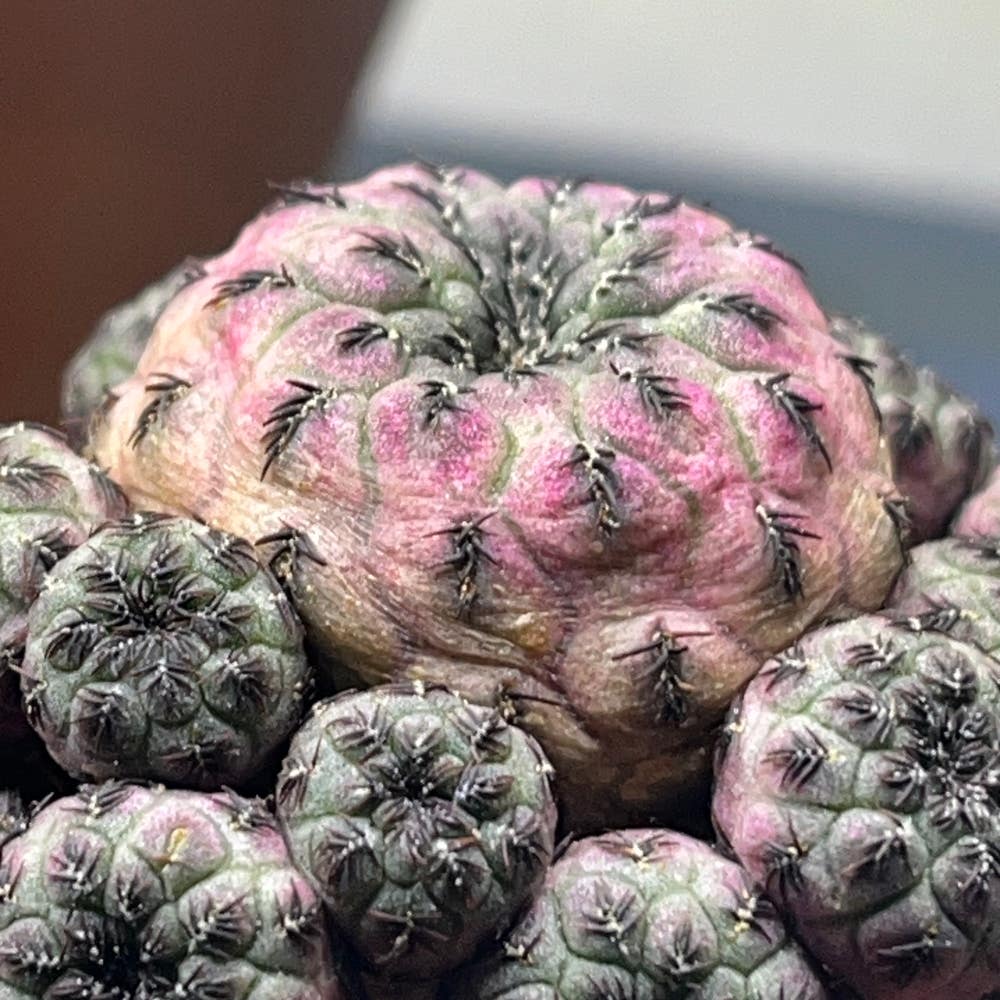
Offsets are the cactus kids ready to leave the nest. Look for plump, healthy pups with their own roots—a sign they're ripe for independence. Gently twist to separate; if they're stubborn, sterilized scissors can make a clean cut. Let the offset callus over before potting to prevent rot.
🏜️ Planting Your Pups
Pot your new offsets in well-draining soil—think cactus mix with added perlite. The pot should be snug, just enough to accommodate the roots and a little extra. Bright, indirect light is their sweet spot, and keep watering sparse to encourage them to seek out moisture and root firmly.
🌱 Encouraging Strong Roots
Root development is key. Ensure soil contact and consider a rooting hormone to give them a leg up. Water sparingly—overwatering is the fast track to rot. Patience is a virtue here; roots take time to establish, so don't rush them.
🐛 Offsets Troubleshooting
If growth is slower than molasses, check the basics: light, water, and soil. Too little light can stunt growth, while too much water can lead to rot. Ensure the soil allows for proper drainage. Watch for pests or diseases inherited from the parent plant—early detection is crucial.
Cut to the Chase: Stem Cuttings Propagation
🌱 Taking the Perfect Cutting
Selecting a healthy stem is the first step in stem cuttings propagation. Look for stems that are robust and free of any disease or pests. A good cutting should be about 4-6 inches long with several leaf nodes. These nodes are where the roots will develop. Use sterilized scissors or pruners to make a clean, angled cut just below a node. This increases the surface area for rooting and helps the cutting absorb water more efficiently.
🌿 Rooting Your Cuttings
Once you have your cutting, let it callus over for a few days to prevent rot. Then, dip the cut end into rooting hormone to encourage root growth—this isn't mandatory, but it's like giving your cutting a growth pep talk. Plant the cutting in well-draining soil, ensuring at least one node is buried. Place the pot in a warm spot with indirect light and keep the soil just moist, not soggy. Patience is key here—roots need time and privacy to develop.
🌱 Cuttings Care Tips
After planting, cover your cutting with a plastic dome or bag to maintain humidity. Remember, it's not a terrarium—allow for some fresh air to prevent mold. As your cutting establishes roots, gradually acclimate it to less humidity. Water sparingly; young roots are prone to rot if they're too wet. Once your cutting starts to show new growth, it's a sign that the roots are taking hold.
🌿 Stem Cuttings Snags
If your cutting isn't rooting, reassess the moisture and temperature. Too much water or exposure to cold can hinder root development. Adjust the conditions gradually and look for signs of improvement. If you notice rot, it's usually a sign of excess moisture. Trim away the affected parts and replant in dry soil. Remember, propagation is as much an art as it is a science—sometimes you just need to cross your fingers and give it another go.
Aftercare for Propagated Plants
💧 Watering Wisely
In the early stages of life, watering your Rebutia fulviseta is like defusing a bomb – one wrong move and it's game over. Keep the soil moist but never soggy; overzealous watering is the fast track to root rot. On the flip side, under-watering can leave your cacti gasping for moisture. It's a delicate balance that demands your full attention.
🌞 Light and Temperature
Your propagated cacti crave stability in their light and temperature conditions. Think of it as setting up a nursery; you wouldn't toss a newborn into a snowstorm. Provide bright, indirect light and shield them from the harsh midday sun, which can scorch their tender skin. Keep the temperature consistent – no sudden drafts or temperature swings allowed.
👩🌾 Growth Monitoring
Keep a hawk's eye on your green progeny. Any signs of distress, like yellowing or wilting, are your cue to spring into action. Adjust watering, tweak the light, or whisper sweet encouragements – whatever it takes. Remember, these plants won't slide into your DMs with their needs; it's on you to read their silent signals and respond with precision.
⚠️ Safety First
This content is for general information and may contain errors, omissions, or outdated details. It is not medical, veterinary advice, or an endorsement of therapeutic claims.
Always consult a qualified healthcare professional before using any plant as food, medicine, or supplement.
Never eat any plant (or feed one to pets) without confirming its identity with at least two trusted sources.
If you suspect poisoning, call Poison Control (800) 222-1222, the Pet Poison Helpline (800) 213-6680, or your local emergency service immediately.
Spotted an error? Please report it here.
Nurture your Rebutia fulviseta seedlings 🌱 to perfection with Greg's custom care plan, ensuring just the right amount of water and cheer for your cactus propagation success!