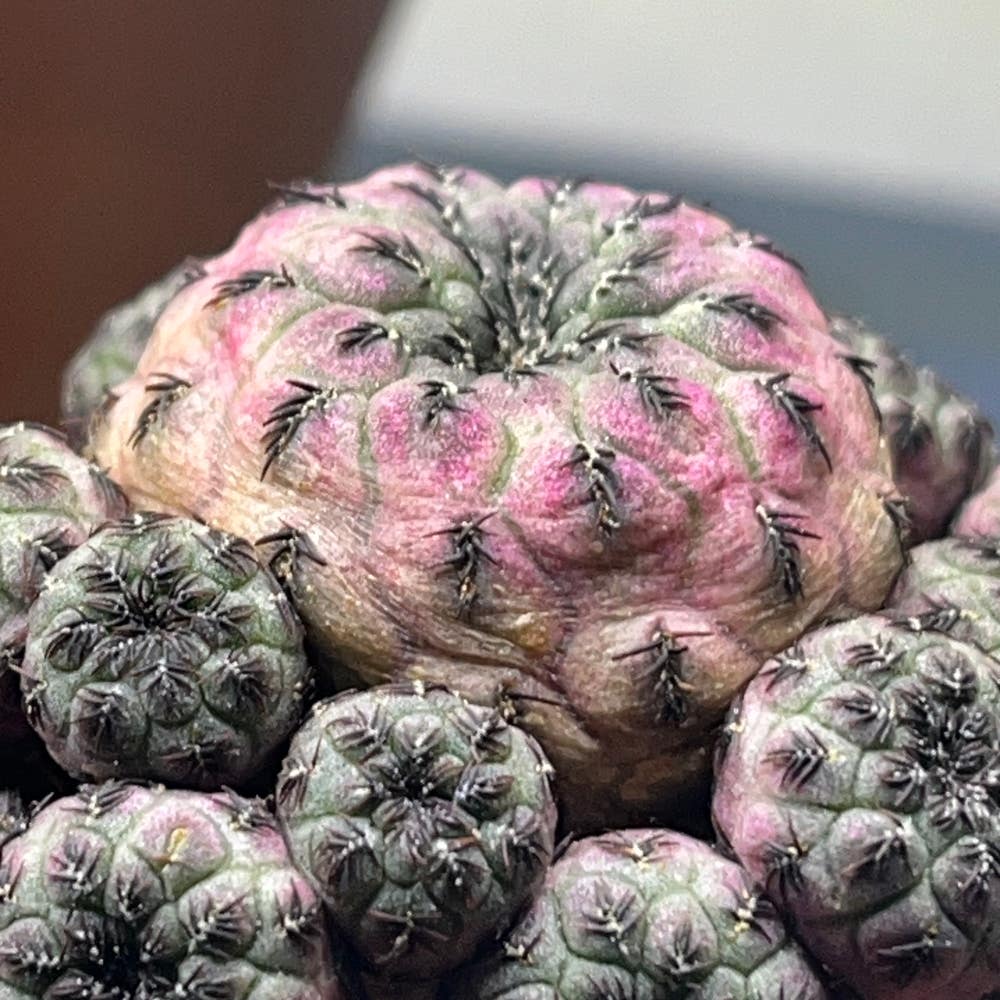
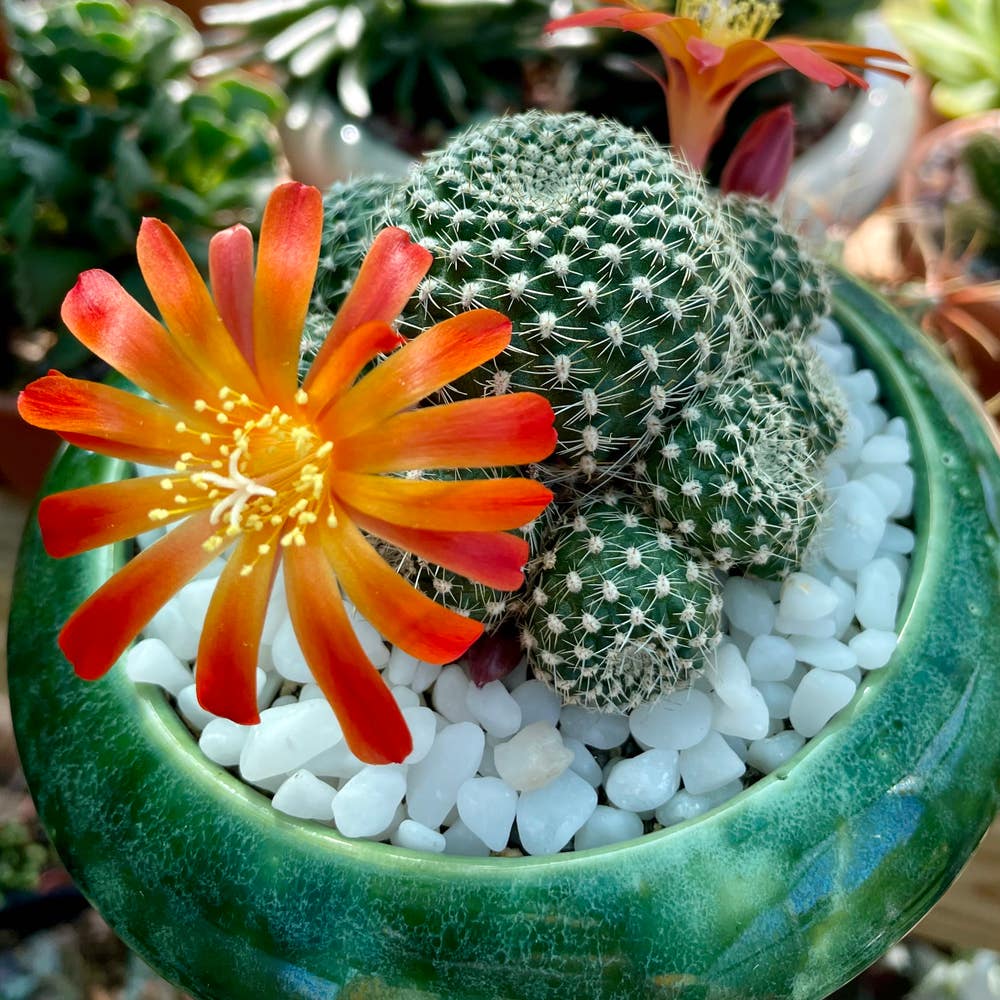
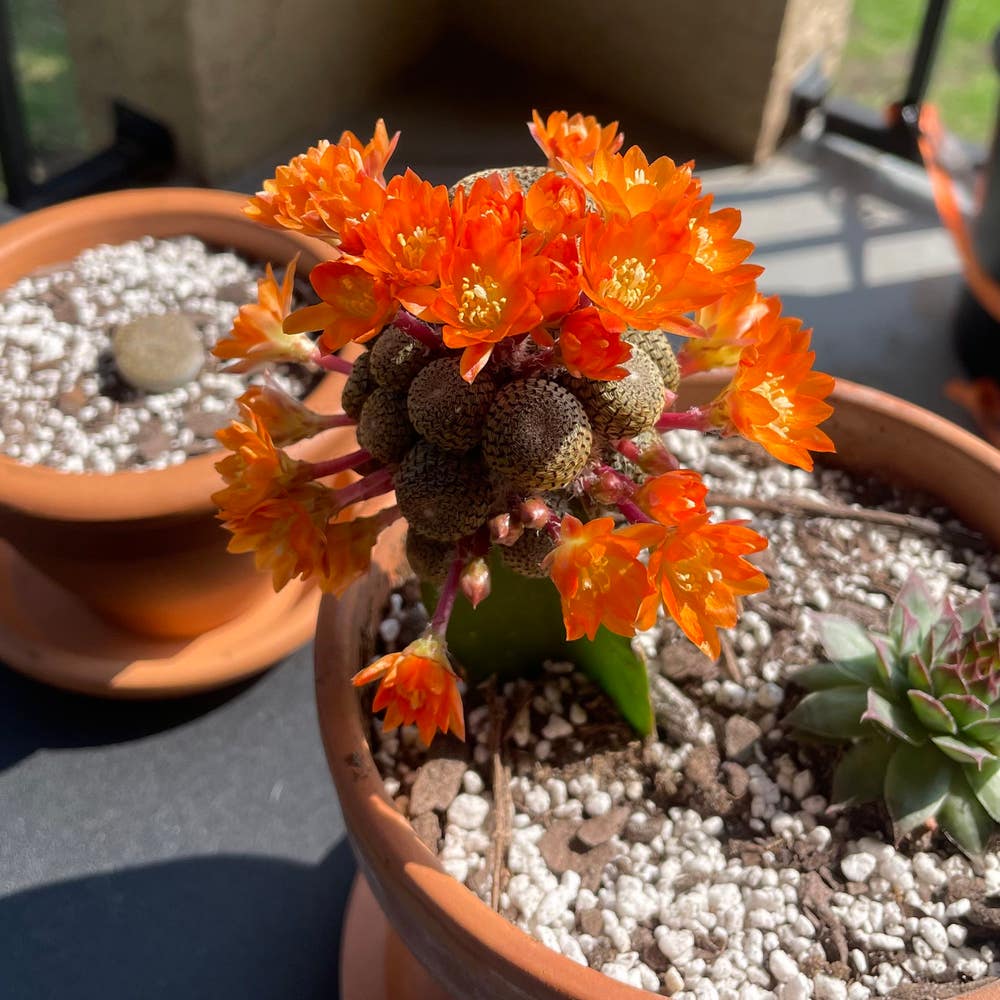
🌵 Why Are My Rebutia fulviseta Leaves Falling Over?
Rebutia fulviseta
By the Greg Editorial Team
Mar 26, 2024•4 min read
This article was created with the help of AI so we can cover more plants for you. May contain errors. See one? Report it here.
Prevent your Rebutia fulviseta from toppling over 🌵 with life-saving care strategies that ensure it thrives!
- 🌵 Overwatering causes yellowing leaves; let soil dry, trim roots, repot.
- 💧 Underwatering leads to wrinkles; check soil moisture, adjust watering.
- ☀️ Bright, indirect light is key; monitor and adjust for healthy growth.
Spotting the Trouble Signs
🌊 Overwatering Woes
Yellowing leaves and a base softer than overripe avocado? Your Rebutia fulviseta might be drowning in excess water. A swampy soil feel and a musty smell are your red flags. Overwatering is an open invitation for fungal issues, and trust me, they're not the party guests you want.
To rescue an overwatered plant, first, stop watering. Let the soil dry out. If the situation is dire, gently remove the plant, trim any rotten roots, and repot in fresh, well-draining soil. Remember, water deeply but infrequently, like a desert rainstorm, not a constant drizzle.
💧 Underwatering Symptoms
Wrinkled leaves that look like they've been through a laundry mishap are crying out for hydration. The soil should be dry, but not bone-dry. If your cactus has crispy leaves, it's time to give it a drink. Increase the watering frequency slightly, but don't turn your cactus into a water balloon.
Always check the soil moisture before watering; only water when the top inch feels dry. And don't forget, seasonal changes mean your plant's watering needs will change too. It's not just about giving water, it's about giving the right amount at the right time.
☀️ Light Deprivation
If your Rebutia fulviseta is looking more like a shadow of its former self, it might be starved for sunlight. A light-deprived cactus can become etiolated, stretching out for any light source. This can lead to weak, floppy growth.
To remedy this, gradually introduce your cactus to brighter conditions. However, don't go from zero to a hundred—acclimate your plant to prevent sunburn. Find a spot where it can bask in the sun's glory without getting scorched. It's all about that sweet spot where your cactus can soak up the rays and live its best life.
First Aid for Your Rebutia fulviseta
🌵 Immediate Steps for Recovery
When your Rebutia fulviseta starts to resemble a weary traveler, act fast. If the leaves are drooping, it's pruning time. Grab those sterilized scissors and snip away the sad parts. This isn't a haircut; it's triage. Check the soil before you water. If it's dry an inch down, give it a drink with room-temperature water. But keep it moderate—let the soil get close to dry between waterings.
💧 Adjusting Your Watering Technique
Watering is an art, and your cactus is the canvas. Overwatering is the nemesis here. Wait for the soil to dry out before you water again. If you're second-guessing, a finger test will do—dryness at the top inch is your green light. Remember, your cactus craves consistency like your morning caffeine fix.
🌞 Light and Location Adjustments
Light is like the cactus's personal trainer—it needs just the right amount. Too much and it's sunburn city; too little and it's stretching out like it's reaching for the last cookie. Aim for bright, indirect light. Watch the shadow; a sharp one means too much sun, while a faint one screams for more. Rotate the pot to prevent a lopsided cactus. Seasons change, and so should your cactus's spot in your home. Keep adjusting for that sweet spot of light.
Long-Term Care Strategies
🌵 Soil and Repotting Essentials
To stave off future leaf flops, getting the soil mix right is key. Cactus-specific or well-draining soil is your Rebutia fulviseta's best friend. Think of it as the plant's bed—firm yet comfy. When repotting, which isn't an annual ritual but more of a "when needed" kind of deal, choose a pot that's cozy but not cramped. Terracotta pots are ace for their wicking magic, keeping roots drier than a stand-up comic's wit.
Ongoing Care and Monitoring
Like a hawk with a keen eye, keep regular tabs on your cactus. Watering should be a calculated affair—too much and you're drowning it, too little and you're parching it. Adjust your watering based on the season; less in winter, moderate in summer. And don't forget, your Rebutia fulviseta loves a good sunbath, so make sure it gets its daily dose of bright light without getting sunburnt. Regular check-ups will ensure your cactus stands tall, like a lighthouse in a sea of succulents.
⚠️ Safety First
This content is for general information and may contain errors, omissions, or outdated details. It is not medical, veterinary advice, or an endorsement of therapeutic claims.
Always consult a qualified healthcare professional before using any plant as food, medicine, or supplement.
Never eat any plant (or feed one to pets) without confirming its identity with at least two trusted sources.
If you suspect poisoning, call Poison Control (800) 222-1222, the Pet Poison Helpline (800) 213-6680, or your local emergency service immediately.
Spotted an error? Please report it here.
Revitalize your Rebutia fulviseta 🌵 with Greg's personalized care plans, ensuring just-right watering and perfect lighting to keep your cactus perky and healthy!