Black Spots on My Rebutia fulviseta Leaves
Rebutia fulviseta
By the Greg Editorial Team
Mar 26, 2024•5 min read
This article was created with the help of AI so we can cover more plants for you. May contain errors. See one? Report it here.
Banish black spots on your Rebutia fulviseta 🌵 with expert tips for a spotless cactus garden!
- Inspect undersides of leaves for hidden black spots.
- Overwatering and sunburn are common causes; adjust care accordingly.
- Prevent with clean environment, balanced sun exposure, and proper watering.
Spotting the Trouble: Recognizing Black Spots
🕵️ Visual Symptoms of Black Spots
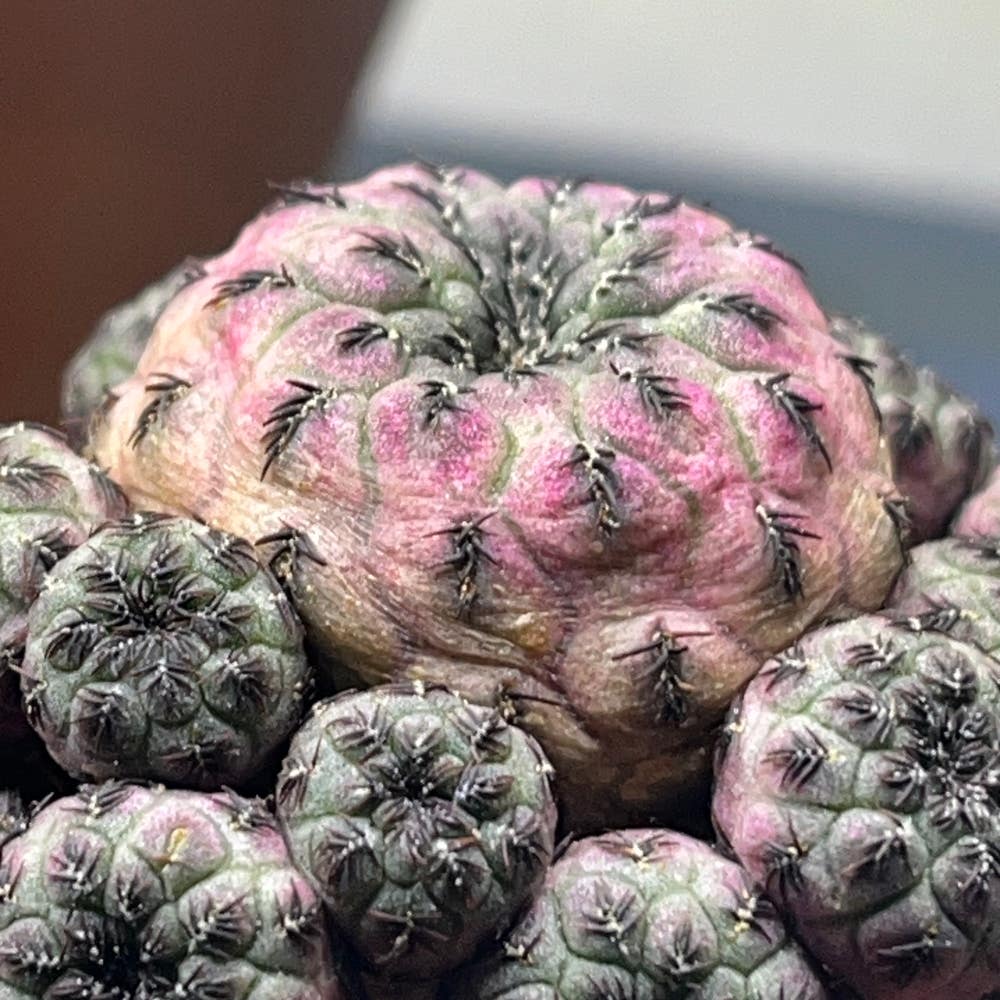
Color nuances are your first clue. Black spots on Rebutia fulviseta might not always be pitch black; look out for brownish tinges or spots with peculiar halos. These subtle differences are significant.
Texture is telling. Some spots may be smooth, while others could have a raised or textured feel. If you encounter a powdery or slimy residue, it's a red flag—your cactus is not just dirty, it's distressed.
🌀 Patterns of Spread on Rebutia fulviseta
Location matters. Black spots love to lurk on the undersides of leaves. Make it a habit to inspect these hidden areas regularly; it's where trouble often starts.
Patterns can reveal the culprit. Spots may begin as small lesions, sometimes less than ⅛ inch in diameter, but they can grow into larger blotches or follow the leaf veins. A spot's shape—circular, irregular, or vein-following—can hint at the underlying issue.
Progression needs monitoring. Document the appearance and spread of spots. This isn't just for your records; it's critical for diagnosis and treatment. Spots that grow or change in appearance are sounding the alarm for immediate action.
Keep an eye out for spots with dark margins or concentric rings. These aren't just blemishes; they're symptoms of an infection. And remember, even a single spot can be the sign of a bigger problem waiting to erupt.
Zeroing in on the Culprits: Causes of Black Spots
🍄 Fungal Foes: Overwatering and Poor Drainage
Overwatering is the equivalent of rolling out the red carpet for fungal infections. Your Rebutia fulviseta isn't throwing a pool party at its roots; it's crying out for help. Fungi like Cercospora and Anthracnose see damp conditions as prime real estate for colonization. Poor drainage compounds the issue, turning your pot into a fungal fiesta.
☀️ Sunburn Scars: Too Much Sun, Too Little Protection
Think of sunburn on your cactus like a bad day at the beach without sunscreen. Too much direct light can cause dry, brownish spots with scorched tips. It's not a tan—it's a distress signal. Direct sunlight is a no-go; it's like putting your plant in the oven and expecting it not to roast.
🦠 Bacterial and Viral Villains: Unseen Adversaries
Bacterial infections are the ninjas of the plant world—silent, deadly, and often unseen until it's too late. They show up as black or dark brown spots that might look slimy or water-soaked. If you press them and they ooze, it's bacteria having a field day. These spots love warm, wet conditions and can quickly turn into a full-blown bacterial bash.
First Aid for Your Cactus: Treating Black Spots
💧 Drying Out: Adjusting Watering and Soil
If your Rebutia fulviseta is showing signs of black spots, it's time to cut back on the H2O. Make sure the soil is as dry as a desert before you even think about watering again. Upgrade your cactus's living quarters with a well-draining soil mix and a pot that doesn't hold onto moisture like a sponge.
🌞 Shading Strategies: Protecting from Harsh Sunlight
Direct sunlight can be a frenemy to your cactus. Relocate your spiky friend to a place where it can bask in bright, indirect light. This is like putting up a parasol at the beach—protection is key. Consider using a shade cloth during the sun's peak hours to prevent further sunburn, which can exacerbate those unsightly black spots.
🦠 Chemical Allies: Using Fungicides and Bactericides
When it comes to fungal and bacterial infections, it's time to bring out the big guns—fungicides and bactericides. Don't go rogue with the application; follow the label instructions as if they're the secret to eternal youth. And remember, the goal is to cover the infected areas, not to give your cactus a chemical bath. If you're feeling old-school, a boiled mixture of milk and water might just do the trick—some cactus connoisseurs swear by its spot-fighting prowess.
Keeping the Spots at Bay: Prevention Tactics
💧 Water Wisdom: Perfecting Your Watering Routine
Check the soil before watering—think 'wrung-out sponge', not 'swamp'. Overwatering is like sending fungi an engraved invitation. Proper drainage holes are non-negotiable. Adapt your watering with the seasons: more in the summer, less in winter. Unsure? A moisture meter is your trusty sidekick.
🌞 Light Lessons: Balancing Sun Exposure
Craft a sun exposure plan like you're investing in your cactus's future. Too much sun equals cactus sunburn, too little stunts growth. Use shade cloths during peak hours or place your plant where light and shadow play tag throughout the day. It's about finding that perfect sun-kissed balance.
🧼 Clean Living: Ensuring a Healthy Environment
Keep your tools cleaner than a five-star hotel's silverware. Dirty tools spread disease like wildfire. Bright, indirect sunlight is the goal—if your place is dungeon-esque, consider a grow light. Water only when the soil is bone-dry, and target the soil, not the leaves. Quarantine new plants like they're the latest viral outbreak. Regular checks for pests and diseases are your plant's personal security detail. Use insecticidal soap or neem oil to give pests the boot before they roll out the fungal red carpet.
⚠️ Safety First
This content is for general information and may contain errors, omissions, or outdated details. It is not medical, veterinary advice, or an endorsement of therapeutic claims.
Always consult a qualified healthcare professional before using any plant as food, medicine, or supplement.
Never eat any plant (or feed one to pets) without confirming its identity with at least two trusted sources.
If you suspect poisoning, call Poison Control (800) 222-1222, the Pet Poison Helpline (800) 213-6680, or your local emergency service immediately.
Spotted an error? Please report it here.
Keep your Rebutia fulviseta spot-free 🌵 with Greg's custom care reminders, ensuring you catch those sneaky black spots before they spread.