🌵 Why Are My Rebutia fulviseta Leaves Mushy?
Rebutia fulviseta
By the Greg Editorial Team
Mar 26, 2024•4 min read
This article was created with the help of AI so we can cover more plants for you. May contain errors. See one? Report it here.
Prevent a mushy cactus crisis 🌵 by uncovering the secrets to a healthy Rebutia fulviseta.
- Overwatering leads to mushy leaves, adjust watering and soil to prevent.
- 🚨 Root rot signs: dark roots, foul odor—requires immediate action.
- Fungal infections spread fast, use antifungal treatments and improve airflow.
Spotting the Trouble: Signs of Mushy Leaves
🚨 Visual Cues: Discoloration and Texture Changes
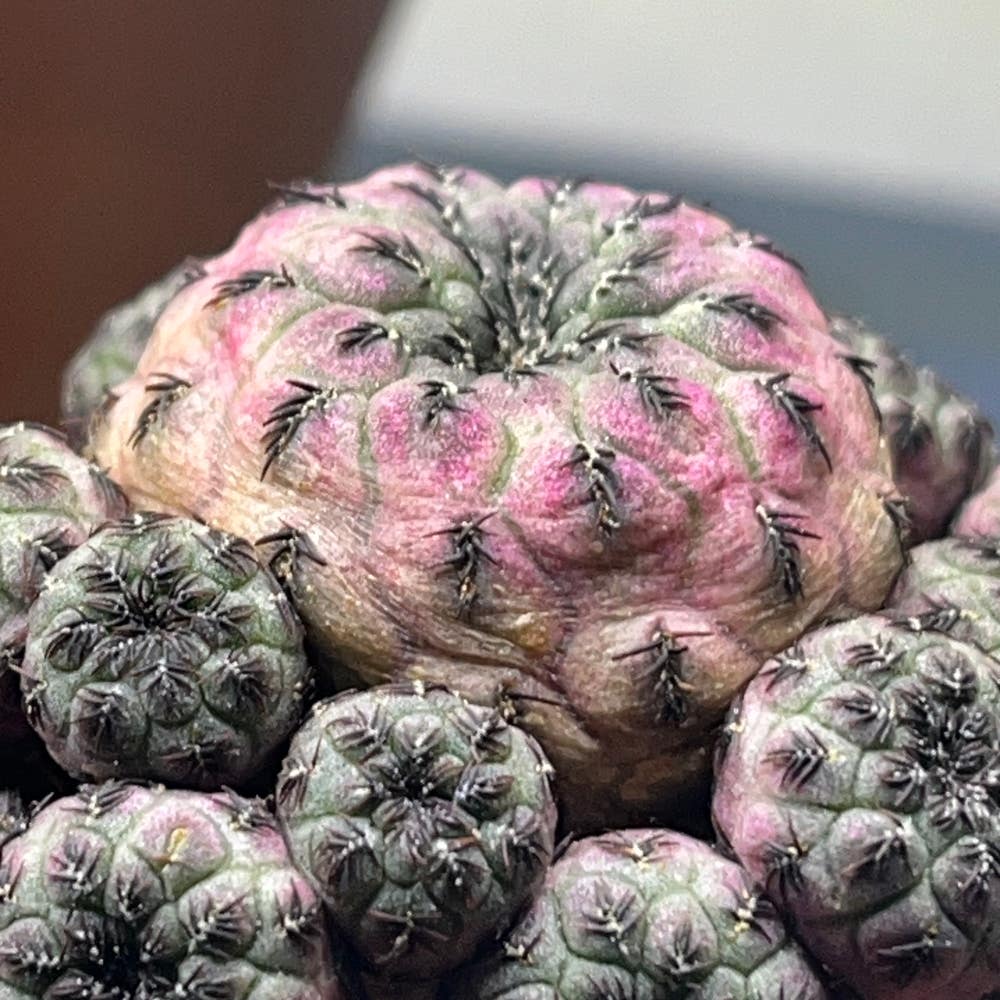
Discoloration is like a red light on your car's dashboard; it means something's not right. When your Rebutia fulviseta starts sporting leaves in shades of yellow or brown, it's not trying to keep up with the fall fashion trends—it's stressed out.
Texture is just as critical. If your cactus leaves are more 'defeated sponge' than 'firm handshake', you've got a problem. Leaves should be resilient, not something that squishes under a gentle poke.
⏰ When to Worry: Frequency of Mushy Leaves in Your Plant's Life Cycle
Frequency is your cue for concern. A single mushy leaf might just be a fluke, but if you're finding that your cactus has turned into a mush factory, it's time to intervene.
Life cycle plays a role too. If your Rebutia fulviseta is consistently mushy, it's not just going through a phase—it's waving a white flag. Keep a vigilant eye; early detection can mean the difference between a quick fix and a cactus crisis.
Root of the Problem: Identifying Causes
💦 Overwatering Woes
Overwatering is the silent killer of Rebutia fulviseta. It's a common mistake, but one that can lead to mushy leaves. If your cactus is sitting in soil that's consistently wetter than a rainforest floor, you're likely overdoing it. Roots need oxygen to thrive, and too much water drowns them, leading to decay.
🌑 The Dreaded Root Rot
Dark, mushy roots are a red flag for root rot. This condition is a death sentence if not addressed promptly. If your plant's roots look like they've been through a blender, it's time to take immediate action. A foul odor emanating from the soil is another telltale sign that rot has set in.
🍄 Fungal Foes
Fungi are the opportunists of the plant world, flourishing in overly moist conditions. If you spot unusual growths or discoloration on your cactus, it's likely a fungal invasion. Quick identification is crucial, as these micro-monsters can spread rapidly, turning your Rebutia fulviseta into a mushy mess.
Turning the Tide: Immediate Actions
💧 Watering Wisdom
If your Rebutia fulviseta's leaves have gone mushy, watering habits need a makeover. Less is more; let the soil dry out before giving it another drink. Remember, your cactus craves neglect, not a flood.
🌱 Root Rescue
Unpot your cactus to inspect the damage. Snip away any rotten roots with sterilized tools, and let the plant air out. Repotting is a delicate dance—choose a well-draining mix and a pot with drainage holes.
🍄 Fungus Among Us: Treatment Tactics
Select an antifungal that's cactus-friendly. Apply with care, focusing on affected areas. Moving forward, airflow is your ally against fungal foes—ensure your cactus isn't suffocating in stagnant air.
Keeping It Firm: Long-Term Prevention Strategies
🌵 Mastering Moisture Management
Watering routines are the cornerstone of cactus care. To avoid mush, water only when the soil's top inch is bone-dry. Think of it as a thirst-quenching sip, not a flood; your Rebutia fulviseta isn't training for a swim meet.
Choosing the right soil and pot is like picking a good pair of running shoes for a marathon—it's essential. Use a well-draining mix and a pot with drainage holes. Terracotta is a champ for its moisture-wicking prowess. Add some perlite or sand to the mix to keep it airy and your cactus's feet dry.
🌵 Crafting the Ideal Cactus Climate
Temperature and humidity control are your tools for crafting a cactus-friendly climate. Keep your Rebutia fulviseta cozy, avoiding the extremes that make it sweat or shiver. Use a hygrometer to monitor moisture in the air; it's like a fitness tracker for your plant's environment.
Ventilation and spacing are your secret weapons against moisture buildup. A gentle fan can keep the air moving, making it feel like a breezy desert rather than a stagnant swamp. Space your plants out; they're not into cuddle puddles. This ensures each cactus gets its share of air and light, reducing the risk of moisture-related issues.
⚠️ Safety First
This content is for general information and may contain errors, omissions, or outdated details. It is not medical, veterinary advice, or an endorsement of therapeutic claims.
Always consult a qualified healthcare professional before using any plant as food, medicine, or supplement.
Never eat any plant (or feed one to pets) without confirming its identity with at least two trusted sources.
If you suspect poisoning, call Poison Control (800) 222-1222, the Pet Poison Helpline (800) 213-6680, or your local emergency service immediately.
Spotted an error? Please report it here.
Ensure your Rebutia fulviseta avoids mushy mishaps 🌵 with Greg's custom watering schedule and environmental monitoring for a thriving cactus!